Early Learning Made Easy Family Traditions & SEL
Created by Ms. Vanessa — All Rights Reserved
Gingerbread Memories: How Simple Holiday Traditions Grow Big Skills
- Why Family Traditions Matter in Early Childhood
- Holiday Cookies & DIY Ornaments as Powerful Rituals
- Kindergarten Readiness Skills Baked In
- Story Time: Gingerbread Man Variations
- Free Printable: Gingerbread Man Activities by Age & Domain
- Getting Started with Low-Stress, Meaningful Traditions
- Helpful Books & Tools
- Notes & Disclaimer
Why Family Traditions Matter in Early Childhood
Holiday traditions might look simple on the surface—rolling gingerbread dough, hanging a handmade ornament, or reading the same story every December—but they do powerful work under the surface. For young children, these predictable, meaningful moments become anchors of safety, connection, and joy.

Researchers often describe family rituals as repeated activities that carry emotional meaning and help define “who we are” as a family. Over many years, studies of family routines and rituals have linked them with children’s adjustment, stronger family relationships, and long-term well-being.
For young children, the power of a tradition isn’t in how fancy or “Pinterest perfect” it looks. It’s in the repetition, the shared meaning, and the sense that “I have an important place in this family story.”
If you’d like to go deeper into this topic, you can also read my related article, Family Traditions that Strengthen Connection in Early Childhood , where I share more ideas for meaningful everyday rituals.
Holiday Cookies & DIY Ornaments as Powerful Rituals
Two simple traditions—decorating holiday cookies together and making your own ornaments—can be especially rich for early learners. These activities are hands-on, sensory, and naturally invite conversation and creativity. They also lend themselves to gentle repetition year after year, which strengthens the sense of ritual.
You might mix up a batch of gingerbread dough, roll and cut cookie shapes together, and then invite children to decorate once the cookies have cooled. On another day, you might make a simple cornstarch “clay” dough, help children press or cut out shapes, and then paint or decorate the ornaments once they’re dry. Over time, certain cookie cutters, smells, songs, or stories become powerful memory cues for children: “It smells like gingerbread—it must be our family cookie day!”
Holiday traditions like these also support mental health and a sense of belonging. When adults intentionally explain the meaning behind a tradition, children gain a stronger sense of identity and connection to family members across time.
If you’d like ready-to-go recipes, you can visit my December Featured Learning Activities page to download a family-friendly gingerbread cookie recipe and a DIY cornstarch dough ornament recipe as a free printable during the month of December.
Kindergarten Readiness Skills Baked In
From a developmental and kindergarten readiness perspective, these cozy traditions are packed with learning. When you invite children to help measure, pour, stir, knead, roll, and decorate, you’ll see many key early skills in action:
- Fine motor skills: Scooping flour, pouring milk, stirring batter, pressing cookie cutters, sprinkling decorations, and pinching off bits of dough all strengthen the small muscles in children’s hands. Painting or drawing designs on ornaments adds even more practice.
- Language & early literacy: Reading the recipe together, talking through steps (“First we mix, then we roll, then we bake”), and retelling the story of the Gingerbread Man all support sequencing, vocabulary, and narrative skills. You can read different versions of the Gingerbread Man and compare how the stories change.
- Social & emotional skills: Taking turns with tools, choosing decorations, and working side-by-side with caring adults help children practice patience, sharing, and problem-solving. Holiday rituals also give children a sense of belonging and a chance to contribute to something the whole family will enjoy.
- Early math skills: Measuring cups and spoons are perfect for exploring “more and less,” counting scoops, and comparing sizes. Children can count how many cookies they cut, how many ornaments are on the tray, or how many dots of icing they added to each gingerbread person.
- Science & sensory exploration: Baking and dough play are full of natural science questions: What happens when dough goes into the oven? How does the texture change as we add more flour? Why does the kitchen smell different when the cookies are baking? Homemade dough and cookie activities provide rich opportunities for sensory play with safe, supervised ingredients.
- Creative expression: When children decorate cookies or paint ornaments, they make choices about color, pattern, and design. They might create faces, scenes, or abstract patterns, and they’ll often tell you stories about what they’ve made. This kind of open-ended art builds confidence and gives children a safe way to express ideas and feelings.
Parents and caregivers can print a free copy of my Kindergarten Readiness Checklist and browse through it while planning or enjoying these traditions. It’s a fun challenge to see how many readiness skills you can weave into one simple activity like baking gingerbread cookies together as a family.
You can learn more on my Kindergarten Readiness and Kindergarten Readiness Resources pages.
Story Time: Exploring Different Versions of the Gingerbread Man
While you’re waiting for cookies to bake or cool, it’s the perfect time to curl up with a few versions of the Gingerbread Man story. There are many picture books that play with this classic tale: some change the setting, some introduce new characters, and some tell the story from a different point of view. As you read, you can talk with children about what’s the same, what’s different, and which version they like best.
After reading, invite your child or your whole class to create your own version of the Gingerbread Man story together. You might change the main character (a gingerbread star, a gingerbread dinosaur, a gingerbread robot), invent new chase scenes, or design a different ending. Writing or dictating your family’s own version in a simple journal and letting children illustrate the pages turns this into a tradition you can revisit year after year.
Free Printable: Gingerbread Man Activities by Age & Domain
To make planning easier for both families and early childhood teachers, I created a one-page printable list of Gingerbread Man–inspired activities. The resource includes simple ideas for infants, toddlers, and preschoolers across multiple developmental domains: art, music, language and literacy, math, science, sensory, dramatic play, large motor, and social-emotional development.
Each activity uses materials many families already have at home. At the same time, the ideas are grounded in developmentally appropriate practice so that educators in licensed child care settings can easily adapt them for lesson plans or classroom centers.
What’s inside the printable? You’ll find ideas like:
- Infants: lap-reading Gingerbread Man stories, ginger-scented baby-safe dough for supervised squishing, simple “cookie-time” songs or rituals that signal connection and comfort.
- Toddlers: decorating paper gingerbread people with crayons or stickers, counting buttons or pom-poms on a gingerbread outline, and pretend “bakery” dramatic play with playdough and cookie cutters.
- Preschoolers: predicting how long a cookie can sit in milk before it gets soft, timing and recording results, using eyedroppers to explore how many drops of milk a cookie can absorb, and acting out original gingerbread stories with puppets or costumes.
You can download the free printable Gingerbread Man Activities List here:
Getting Started with Low-Stress, Meaningful Traditions
As you plan holiday traditions, it can be helpful to keep things simple and consistent. A tradition doesn’t need to be elaborate to be meaningful. It might be:
- Baking and decorating gingerbread cookies on the same weekend each December.
- Making one new ornament together each year, labeled with the date and your child’s age.
- Reading your favorite Gingerbread Man story before bed on “cookie night.”
- Lighting a candle, sharing one thing you’re thankful for, and then enjoying your treats together.
Many early childhood professionals encourage families and educators to focus on traditions that are inclusive, reduce stress, and center children’s sense of joy and belonging rather than perfection. When you design your rituals around connection and development—not comparison—you create memories children can carry with them for a lifetime.
Helpful Books & Tools Affiliate
Gingerbread Man Story Variations

The Gingerbread Man (classic version)
A traditional retelling with the familiar “Run, run, as fast as you can…” refrain—perfect for young listeners.
View on Amazon
The Gingerbread Man Loose in the School
A playful twist that follows a gingerbread character exploring a school building—great for talking about familiar settings.
View on Amazon
The Gingerbread Girl
A fun follow-up that introduces a clever gingerbread heroine who outsmarts the fox—perfect for comparing characters and endings.
View on Amazon
The Ninjabread Man
A silly, action-packed variation that blends the classic tale with martial arts themes—great for older preschoolers.
View on AmazonJournaling & Art Supplies
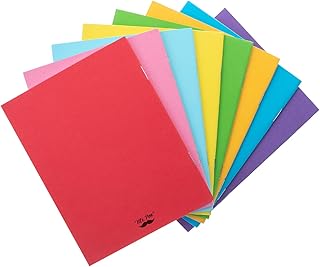
Family Tradition Story Journal
A simple blank journal you can dedicate to recording your family’s Gingerbread Man variations and holiday memories.
View on Amazon
Washable Markers for Little Illustrators
Kid-friendly markers for illustrating your family’s gingerbread stories and decorating paper ornaments or recipe cards.
View on AmazonAs an Amazon Associate I earn from qualifying purchases. Links are rel="sponsored nofollow".
Notes & Disclaimer
Note for caregivers & educators: Always supervise young children closely around hot ovens, small decorations, and ingredients. Check for food allergies and consult your pediatrician if you are unsure whether your baby is ready to taste solid foods.
Content is independently created and informed by evidence-based research but not affiliated with or endorsed by any external institution or author.
Created by Ms. Vanessa — Early Learning Made Easy. All Rights Reserved.
✨ You’re Doing Amazing — Let’s Make Learning Simple ✨
Subscribe to my blog for instant access to today’s Featured Freebie — plus weekly printables, early learning tips, and new resource alerts.
✉️ Subscribe for Instant Access
Want unlimited access to every premium resource and future freebie — forever?
(One-time purchase. Lifetime access.)
Already a member? Request your freebie here
No spam — just real tools that make early learning simple, joyful, and evidence-based.
About Early Learning Made Easy:
Created by Ms. Vanessa, CDA-certified Early Childhood Educator. This blog provides simple, joyful, evidence-informed learning activities for families and caregivers.
Affiliate & Research Disclosure:
This site may include Amazon affiliate links. As an Amazon Associate, I earn from qualifying purchases at no additional cost to you. Content is independently created and informed by evidence-based research.
© Early Learning Made Easy — All Rights Reserved.


No comments:
Post a Comment
We would love to hear from you!
Note: Only a member of this blog may post a comment.