Search This Blog

Early Learning Made Easy

Showing posts with label family traditions. Show all posts

Monday, December 8, 2025

Family Game Night: A Simple Tradition That Builds Connection, Resilience & Early Learning

Family Game Night: A Simple Tradition That Builds Connection, Resilience & Early Learning

Family Game Night: A Simple Tradition That Builds Connection, Resilience & Early Learning


Family traditions don’t have to be elaborate or expensive to make a meaningful impact. Some of the most powerful rituals are the simple ones that bring everyone to the same space, at the same time, for a shared purpose. Family Game Night is one of those deceptively small traditions that can have a big impact on children’s learning, resilience, and sense of belonging.

Whether you are a parent, grandparent, aunt, uncle, family friend, or early childhood educator, you can use games to create predictable moments of connection that help children feel safe, seen, and valued. And you don’t have to wait until children are “old enough for board games” to get started. With a few adaptations, even babies as young as six months can join in the fun.

Good news: “Family Game Night” doesn’t have to mean a traditional two-parent household gathered around a dining room table. Any caring adult who spends consistent time with a child can build this ritual — grandparents, kinship caregivers, foster parents, and close family friends included.

Why Start Family Game Night Early?

Research on child development, positive psychology, and family routines consistently shows that shared, enjoyable activities strengthen both skills and relationships. Game nights do both at once:

  • Cognitive skills: Children practice attention, working memory, problem-solving, flexible thinking, and early math concepts like one-to-one correspondence, counting, and patterning.
  • Social-emotional skills: Games naturally involve taking turns, waiting, coping with winning and losing, and talking through strategies — all important for emotional regulation and social success.
  • Language development: Describing moves, asking for help, explaining rules, and narrating play builds vocabulary and communication skills.
  • Executive functioning: Following rules, remembering steps, planning ahead, and shifting strategies support the same “thinking skills” children use in school.

When game night happens regularly, it becomes a predictable routine that children can look forward to. That sense of “We always do this together” helps build a strong family culture, which research shows can buffer the effect of stress and adverse childhood experiences.

Game Night as a Protective Tradition for Kids Facing Adversity

Many children today are navigating tough situations — family changes, separation or divorce, moves, illness, economic stress, or other adverse experiences. While we cannot always remove every stressor, we can surround children with consistent, nurturing relationships and routines that act like emotional safety nets.

Simple traditions like Family Game Night help children:

  • Feel anchored in something familiar and predictable
  • Experience warmth, humor, and shared joy with trusted adults
  • Practice naming feelings, solving small problems, and bouncing back from disappointment
  • Build positive memories that sit alongside the hard moments

This is true whether “family” means parents, grandparents, aunts and uncles, kinship caregivers, foster parents, or family friends who are providing day-to-day care. If you are a caring adult in a child’s life, you can use game night as a small but powerful intervention that supports social-emotional growth and long-term resilience.

Remember: It’s not the size of the tradition that matters. It’s the consistency, the emotional tone, and the message it sends: “You belong here. We make time for each other.”


🎨 Featured Family Game Resource

Looking for a simple, screen-free game that builds counting, fine motor skills, focus, and cooperation through play?

Our printable Count & Match by Color & Shape game is a favorite for both families and classrooms. It includes a build-it-together version, a quick-setup version, and everything even stores neatly inside the cup when you're done.

👉 Download the Game Here

Instant printable • Ages 2–6 • Home, classroom & therapy use

✨ Premium Member Access
Premium Members can access this game FREE inside the full resource library.
→ Log in or join Premium here

Yes, Babies Can Play Too! Adapting Game Night for Little Ones

When people hear “Family Game Night,” they often picture school-age children and complex board games. But babies and toddlers benefit tremendously when we adapt games to their developmental stage.

For babies around 6–18 months, game night can include things like:

  • Peek-a-boo variations: Use scarves, small cloths, or even the game box lid to create playful “Now you see me, now you don’t!” moments.
  • Mirror play: Sit with your baby in front of a mirror and take turns making faces, clapping, and copying each other’s movements.
  • Roll-the-ball: Sit on the floor and gently roll a soft ball or plush toy back and forth, narrating turns (“My turn…your turn!”).
  • Simple matching baskets: Offer two or three pairs of safe objects (like two wooden rings, two soft blocks) and help your baby “find the same.”
  • Texture and sound games: Tap different objects on the table and ask, “Which one makes the loudest sound? Which one is soft?”

Babies learn best through repetition, close contact, and back-and-forth interaction. These early “games” build the foundation for joint attention, turn-taking, and secure attachment — all of which support later learning and emotional health.

Want extra guidance on what types of play are appropriate at each age? Visit our Developmental Milestones (Birth–5) page and our Developmental Milestones Resources & Featured Activities page for charts, links, and printable tools.

Preschool Game Night: Building Kindergarten Readiness Through Play

By the preschool years, children can participate in more structured games — but the goal is still connection and fun. Many classic games (and homemade ones!) support the same skills children will use in kindergarten:

  • One-to-one correspondence: Moving one space per dot on the die, counting game pieces, or matching one card to one space.
  • Color and shape recognition: Sorting pieces by color, matching shapes, and naming what they see.
  • Fine motor skills: Picking up pieces, placing small objects on spaces, spinning spinners, and turning cards.
  • Listening and direction-following: Learning and remembering rules, or following adult prompts like “move to the next yellow space.”
  • Frustration tolerance: Practicing being a gracious winner and a resilient “try again” player.

If you’re curious how game-based skills connect to kindergarten readiness, you might also enjoy my Kindergarten Readiness page, where I break down foundational skills in kid-friendly, play-based ways.

A DIY Game You Can Print & Play Together

You absolutely do not have to spend a lot of money to make Family Game Night meaningful. In fact, one of my favorite approaches is to create simple games from everyday materials — and to let children help design, build, and play them together.

I created a printable, build-and-play family learning game for preschoolers, with adaptations for younger children (with close adult supervision). This game helps children practice:

  • Beginning one-to-one correspondence
  • Matching and identifying colors
  • Recognizing basic shapes
  • Strengthening fine motor skills
  • Taking turns and cheering for others

💛 You can explore the full game with complete instructions and printable playing cards here:
👉 Download the Count & Match by Color & Shape Game

The game includes:

  • A “build it together” version for families who enjoy crafting and creating
  • A quick-setup version for busy adults and very young children
  • And everything stores neatly inside the cup when you’re done for easy cleanup and reuse

It’s perfect for Family Game Night, learning centers, therapy play, and quiet hands-on learning time.

If your child loves drawing or inventing things, you can also invite them to help design their own new cards or challenges. Creating games together is a wonderful way to encourage creativity, planning, flexible thinking, and collaboration.

✨ Premium Member Access
Premium Members can access this game FREE inside the full resource library.
→ Log in or join Premium here

Helpful Games & Tools for Family Game Night

This section contains affiliate links. As an Amazon Associate I earn from qualifying purchases at no extra cost to you. I only recommend items that fit my Early Learning Made Easy philosophy of playful, developmentally appropriate learning.
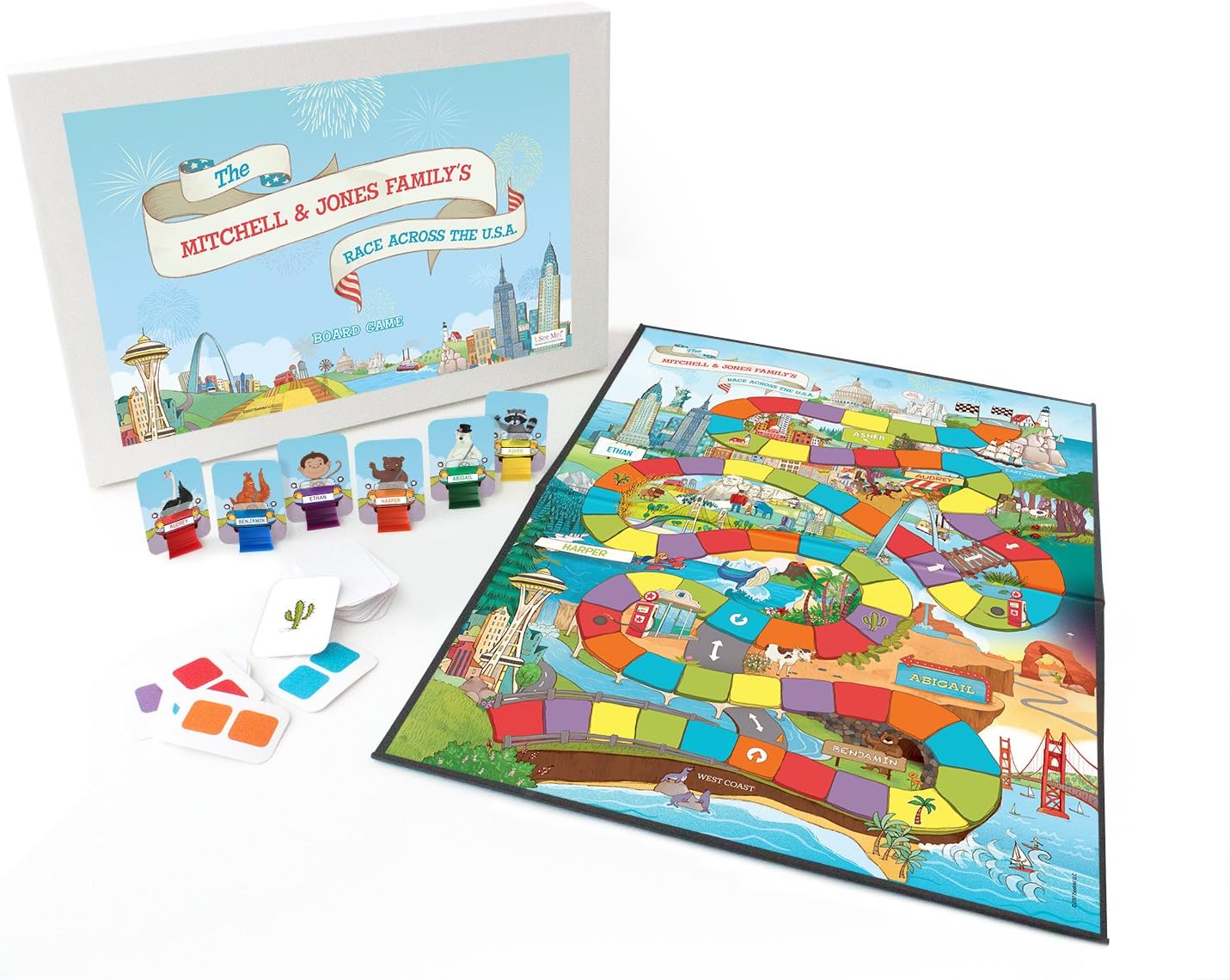
Personalized board game for family game night with spaces for family names

Personalized Family Board Game

A sweet way to put your own family right on the game board. Toddlers love seeing their names and photos woven into play.

Colorful interactive Montessori-style busy board game for babies and toddlers

Interactive Montessori-Style Game for Babies & Toddlers

Perfect for the tiniest players at game night. Focuses on exploration, cause-and-effect, and fine motor practice.

Silly preschool board game with bright pieces designed for young children

Preschool-Friendly Board Game

A silly, high-energy game designed especially for preschoolers that supports listening, gross motor, and early social skills.
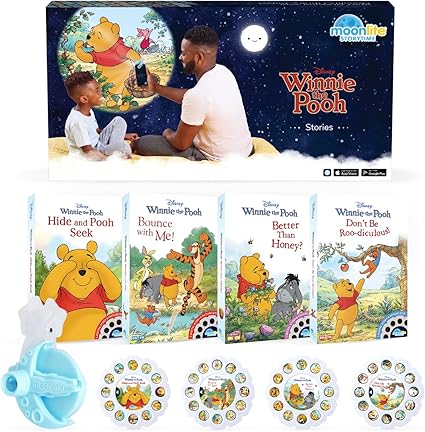
Storytime projector that clips onto a smartphone to project picture books on the wall

Storytime Projector for Family Story Night

Not technically a game, but a magical tool for starting another cozy family tradition: Story Night. Great for language and imagination.

Remember, these are optional extras. Homemade games, DIY dice, and hand-drawn boards can be just as powerful for bonding and learning — sometimes even more so.

Design Your Own Board Game

If your family loves being creative, try designing your own board game together. Start with a simple path (like the tic-tac-toe hearts in the featured image) and decide:

  • How do players move? (Roll a die, spin a spinner, draw a card?)
  • What happens on special spaces? (Jump ahead, go back, do a silly action, share something you’re thankful for?)
  • How does the game end? (Reach a finish line, collect a certain number of tokens, or complete a cooperative goal?)

Creating a game together lets children practice planning, negotiating rules, testing ideas, and revising — the same process scientists, engineers, and writers use in their work!

Making Family Game Night Work for Your Family

Every family looks different, and every week looks different, too. Here are some flexible guidelines you can adapt:

  • Choose a realistic rhythm. Weekly is wonderful, but biweekly or “Sunday evenings when we can” is also valuable. Consistency matters more than perfection.
  • Rotate who chooses the game. Let children feel ownership by picking the game (or the category) sometimes.
  • Keep it short and sweet. For toddlers and preschoolers, 10–20 minutes of focused, happy play beats an hour-long battle through meltdowns.
  • Emphasize fun over winning. Model phrases like “Good game,” “Nice try,” and “We can try again next time.”
  • Include snacks, snuggles, and silliness. These small touches help children associate game night with warmth and safety.

Over time, this simple ritual becomes part of your family story: “We’re the kind of people who make time to play together.”

Related Family Tradition Posts You May Enjoy

Research-Informed, Not Institution-Endorsed

Early Learning Made Easy resources are independently created by Ms. Vanessa and are informed by evidence-based research in early childhood development, positive psychology, and related fields. They are not officially affiliated with, reviewed by, or endorsed by any external institution or author (including but not limited to the AAP, CDC, USDA, or any university or clinic).

Stay Connected with Early Learning Made Easy

✨ You’re Doing Amazing — Let’s Make Learning Simple ✨

Subscribe to my blog for instant access to today’s Featured Freebie — plus weekly printables, early learning tips, and new resource alerts.

✉️ Subscribe for Instant Access


Want unlimited access to every premium resource and future freebie — forever?

⭐ Become a Premium Member

(One-time purchase. Lifetime access.)

🛍️ Shop All Resources

Already a member? Request your freebie here

No spam — just real tools that make early learning simple, joyful, and evidence-based.

About Early Learning Made Easy:
Created by Ms. Vanessa, CDA-certified Early Childhood Educator. This blog provides simple, joyful, evidence-informed learning activities for families and caregivers.

Affiliate & Research Disclosure:
This site may include Amazon affiliate links. As an Amazon Associate, I earn from qualifying purchases at no additional cost to you. Content is independently created and informed by evidence-based research.

© Early Learning Made Easy — All Rights Reserved.

Tuesday, December 2, 2025

How Family Traditions Build Early Childhood Skills: Gingerbread Activities That Grow Big Development

Early Learning Made Easy Family Traditions & SEL

Created by Ms. Vanessa — All Rights Reserved

Affiliate Disclosure: This post contains Amazon affiliate links. If you purchase through these links, I may earn a small commission at no extra cost to you.

Gingerbread Memories: How Simple Holiday Traditions Grow Big Skills

Why Family Traditions Matter in Early Childhood

Holiday traditions might look simple on the surface—rolling gingerbread dough, hanging a handmade ornament, or reading the same story every December—but they do powerful work under the surface. For young children, these predictable, meaningful moments become anchors of safety, connection, and joy.

Researchers often describe family rituals as repeated activities that carry emotional meaning and help define “who we are” as a family. Over many years, studies of family routines and rituals have linked them with children’s adjustment, stronger family relationships, and long-term well-being.

For young children, the power of a tradition isn’t in how fancy or “Pinterest perfect” it looks. It’s in the repetition, the shared meaning, and the sense that “I have an important place in this family story.”

If you’d like to go deeper into this topic, you can also read my related article, Family Traditions that Strengthen Connection in Early Childhood , where I share more ideas for meaningful everyday rituals.

Holiday Cookies & DIY Ornaments as Powerful Rituals

Two simple traditions—decorating holiday cookies together and making your own ornaments—can be especially rich for early learners. These activities are hands-on, sensory, and naturally invite conversation and creativity. They also lend themselves to gentle repetition year after year, which strengthens the sense of ritual.

You might mix up a batch of gingerbread dough, roll and cut cookie shapes together, and then invite children to decorate once the cookies have cooled. On another day, you might make a simple cornstarch “clay” dough, help children press or cut out shapes, and then paint or decorate the ornaments once they’re dry. Over time, certain cookie cutters, smells, songs, or stories become powerful memory cues for children: “It smells like gingerbread—it must be our family cookie day!”

Holiday traditions like these also support mental health and a sense of belonging. When adults intentionally explain the meaning behind a tradition, children gain a stronger sense of identity and connection to family members across time.

If you’d like ready-to-go recipes, you can visit my December Featured Learning Activities page to download a family-friendly gingerbread cookie recipe and a DIY cornstarch dough ornament recipe as a free printable during the month of December.

Kindergarten Readiness Skills Baked In

From a developmental and kindergarten readiness perspective, these cozy traditions are packed with learning. When you invite children to help measure, pour, stir, knead, roll, and decorate, you’ll see many key early skills in action:

  • Fine motor skills: Scooping flour, pouring milk, stirring batter, pressing cookie cutters, sprinkling decorations, and pinching off bits of dough all strengthen the small muscles in children’s hands. Painting or drawing designs on ornaments adds even more practice.
  • Language & early literacy: Reading the recipe together, talking through steps (“First we mix, then we roll, then we bake”), and retelling the story of the Gingerbread Man all support sequencing, vocabulary, and narrative skills. You can read different versions of the Gingerbread Man and compare how the stories change.
  • Social & emotional skills: Taking turns with tools, choosing decorations, and working side-by-side with caring adults help children practice patience, sharing, and problem-solving. Holiday rituals also give children a sense of belonging and a chance to contribute to something the whole family will enjoy.
  • Early math skills: Measuring cups and spoons are perfect for exploring “more and less,” counting scoops, and comparing sizes. Children can count how many cookies they cut, how many ornaments are on the tray, or how many dots of icing they added to each gingerbread person.
  • Science & sensory exploration: Baking and dough play are full of natural science questions: What happens when dough goes into the oven? How does the texture change as we add more flour? Why does the kitchen smell different when the cookies are baking? Homemade dough and cookie activities provide rich opportunities for sensory play with safe, supervised ingredients.
  • Creative expression: When children decorate cookies or paint ornaments, they make choices about color, pattern, and design. They might create faces, scenes, or abstract patterns, and they’ll often tell you stories about what they’ve made. This kind of open-ended art builds confidence and gives children a safe way to express ideas and feelings.

Parents and caregivers can print a free copy of my Kindergarten Readiness Checklist and browse through it while planning or enjoying these traditions. It’s a fun challenge to see how many readiness skills you can weave into one simple activity like baking gingerbread cookies together as a family.

You can learn more on my Kindergarten Readiness and Kindergarten Readiness Resources pages.

Story Time: Exploring Different Versions of the Gingerbread Man

While you’re waiting for cookies to bake or cool, it’s the perfect time to curl up with a few versions of the Gingerbread Man story. There are many picture books that play with this classic tale: some change the setting, some introduce new characters, and some tell the story from a different point of view. As you read, you can talk with children about what’s the same, what’s different, and which version they like best.

After reading, invite your child or your whole class to create your own version of the Gingerbread Man story together. You might change the main character (a gingerbread star, a gingerbread dinosaur, a gingerbread robot), invent new chase scenes, or design a different ending. Writing or dictating your family’s own version in a simple journal and letting children illustrate the pages turns this into a tradition you can revisit year after year.

Free Printable: Gingerbread Man Activities by Age & Domain

To make planning easier for both families and early childhood teachers, I created a one-page printable list of Gingerbread Man–inspired activities. The resource includes simple ideas for infants, toddlers, and preschoolers across multiple developmental domains: art, music, language and literacy, math, science, sensory, dramatic play, large motor, and social-emotional development.

Each activity uses materials many families already have at home. At the same time, the ideas are grounded in developmentally appropriate practice so that educators in licensed child care settings can easily adapt them for lesson plans or classroom centers.

What’s inside the printable? You’ll find ideas like:

  • Infants: lap-reading Gingerbread Man stories, ginger-scented baby-safe dough for supervised squishing, simple “cookie-time” songs or rituals that signal connection and comfort.
  • Toddlers: decorating paper gingerbread people with crayons or stickers, counting buttons or pom-poms on a gingerbread outline, and pretend “bakery” dramatic play with playdough and cookie cutters.
  • Preschoolers: predicting how long a cookie can sit in milk before it gets soft, timing and recording results, using eyedroppers to explore how many drops of milk a cookie can absorb, and acting out original gingerbread stories with puppets or costumes.

You can download the free printable Gingerbread Man Activities List here:

Getting Started with Low-Stress, Meaningful Traditions

As you plan holiday traditions, it can be helpful to keep things simple and consistent. A tradition doesn’t need to be elaborate to be meaningful. It might be:

  • Baking and decorating gingerbread cookies on the same weekend each December.
  • Making one new ornament together each year, labeled with the date and your child’s age.
  • Reading your favorite Gingerbread Man story before bed on “cookie night.”
  • Lighting a candle, sharing one thing you’re thankful for, and then enjoying your treats together.

Many early childhood professionals encourage families and educators to focus on traditions that are inclusive, reduce stress, and center children’s sense of joy and belonging rather than perfection. When you design your rituals around connection and development—not comparison—you create memories children can carry with them for a lifetime.


Helpful Books & Tools Affiliate

Gingerbread Man Story Variations

Classic Gingerbread Man picture book cover

The Gingerbread Man (classic version)

A traditional retelling with the familiar “Run, run, as fast as you can…” refrain—perfect for young listeners.

View on Amazon
The Gingerbread Man Loose in the School book cover

The Gingerbread Man Loose in the School

A playful twist that follows a gingerbread character exploring a school building—great for talking about familiar settings.

View on Amazon
The Gingerbread Girl book cover

The Gingerbread Girl

A fun follow-up that introduces a clever gingerbread heroine who outsmarts the fox—perfect for comparing characters and endings.

View on Amazon
The Ninjabread Man book cover

The Ninjabread Man

A silly, action-packed variation that blends the classic tale with martial arts themes—great for older preschoolers.

View on Amazon

Journaling & Art Supplies

Blank family journal cover

Family Tradition Story Journal

A simple blank journal you can dedicate to recording your family’s Gingerbread Man variations and holiday memories.

View on Amazon
Washable markers set product image

Washable Markers for Little Illustrators

Kid-friendly markers for illustrating your family’s gingerbread stories and decorating paper ornaments or recipe cards.

View on Amazon

As an Amazon Associate I earn from qualifying purchases. Links are rel="sponsored nofollow".


Notes & Disclaimer

Note for caregivers & educators: Always supervise young children closely around hot ovens, small decorations, and ingredients. Check for food allergies and consult your pediatrician if you are unsure whether your baby is ready to taste solid foods.

Content is independently created and informed by evidence-based research but not affiliated with or endorsed by any external institution or author.

Created by Ms. Vanessa — Early Learning Made Easy. All Rights Reserved.

✨ You’re Doing Amazing — Let’s Make Learning Simple ✨

Subscribe to my blog for instant access to today’s Featured Freebie — plus weekly printables, early learning tips, and new resource alerts.

✉️ Subscribe for Instant Access


Want unlimited access to every premium resource and future freebie — forever?

⭐ Become a Premium Member

(One-time purchase. Lifetime access.)

🛍️ Shop All Resources

Already a member? Request your freebie here

No spam — just real tools that make early learning simple, joyful, and evidence-based.

About Early Learning Made Easy:
Created by Ms. Vanessa, CDA-certified Early Childhood Educator. This blog provides simple, joyful, evidence-informed learning activities for families and caregivers.

Affiliate & Research Disclosure:
This site may include Amazon affiliate links. As an Amazon Associate, I earn from qualifying purchases at no additional cost to you. Content is independently created and informed by evidence-based research.

© Early Learning Made Easy — All Rights Reserved.

Friday, November 7, 2025

Family Traditions That Strengthen Connection and Belonging

Early Learning Made Easy · Making Early Learning Simple, Joyful, and Evidence-Based

Family Traditions That Build Connection

By Ms. Vanessa · Early Learning Made Easy

Affiliate Disclosure: This article contains Amazon affiliate links. As an Amazon Associate, I earn from qualifying purchases—at no extra cost to you. I only recommend items I believe align with child development best practices.

Free today for subscribers: Get the full article plus the printable “Our Family Traditions” worksheet delivered to your inbox. Not subscribed yet? Click here to subscribe for free (today only for this resource).

Premium Members enjoy instant, unlimited access to all ELME articles & resources free in the Gumroad library.

Why Traditions Matter

From bedtime stories to Sunday pancakes, the little moments we repeat become part of a child’s emotional foundation. Predictable family traditions—daily, weekly, or seasonal—send a powerful message: you belong here. Children thrive when life feels consistent. Rituals create rhythm and safety; kids know what to expect and can look forward to it, which eases anxiety and builds resilience.


What the Research Shows

Research in early attachment and family dynamics finds that routines and rituals strengthen bonds and support well-being. Pediatric guidance highlights that shared rituals—like family meals and bedtime routines—are linked with children’s sense of security and happiness. In positive psychology, Dr. Martin Seligman’s PERMA model places Relationships at the core of flourishing; predictable moments cultivate connection, shared meaning, and joy.


Everyday Traditions That Strengthen Connection

  • Morning Connection: A special goodbye phrase or hug before leaving for the day.
  • Family Mealtime: Everyone shares one thing they’re thankful for or proud of.
  • Storytime Ritual: Read the same book each night or rotate who chooses.
  • Seasonal Moments: Bake a favorite treat, make decorations, or take a family nature walk.
  • Celebration Touchstones: Light a candle on birthdays, write gratitude notes in November, plant something new every spring.

Why Predictability Builds Security

Predictable traditions tell children, “Our family shows up for each other.” That steadiness supports emotional regulation, empathy, and trust—skills that help with friendships, school, and life transitions. Even when the world feels unpredictable, rituals anchor children to love and belonging.

Helpful Books & Tools (text-only links)

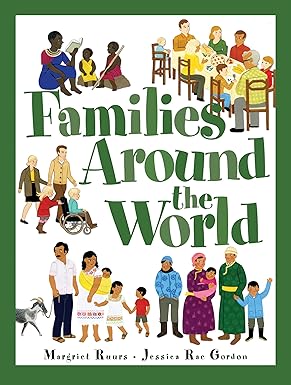
This is a wonderful, uplifting global studies title perfect for exploring cultures and geography. It would also be useful for a social studies unit on families and family relationships. Adding to its value as a teaching tool are suggestions for lesson plans built around the book, as well as a glossary and pronunciation guide for foreign words.


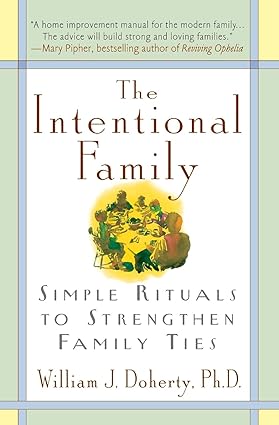
The Intentional Family -- a practical guide to avoiding conflicts and promoting understanding -- offers a myriad of simple yet effective methods for opening regular channels of communication between parents and their children, husbands and wives: from shared family meals and vacations, to regular "storytime," weekly drives, religious services, and monthly "spouse only" romantic dinners. Clearly presented and engagingly written, here are proven and indispensable strategies for reviving a lost sense of family -- useful guidelines that will help us make the most of our most important relationships.


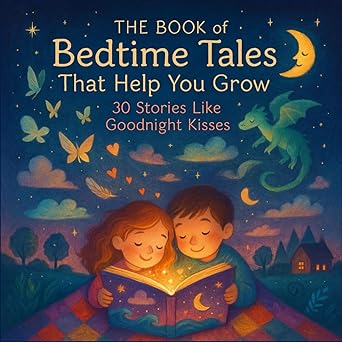
If you’re searching for more than just a bedtime book—
If you want a keepsake, a shared ritual, a quiet hug before sleep...
This is the one.


This journal makes practicing gratitude fun, creative, and age-appropriate—while building a daily habit of noticing life’s little joys.

Perfect as:

  • A meaningful gift for toddlers and preschoolers
  • A creative activity for home, classrooms, or therapy
  • A year-round tool to encourage kindness and positivity


Help your child start a lifelong habit of gratitude—one coloring page at a time!


Engage the kids for hours with these great questions for young, curious minds. Although designed for young children, mom and dad will love them too. The travel-sized slipcase makes it easy to toss in the glove box or backpack—use them on the way to soccer practice, when you’re dining out, whenever!


Want the printable “Our Family Traditions” worksheet? It’s included with today’s subscriber email. Subscribe free here. Prefer to own a copy without subscribing? Purchase the Article + Worksheet on Gumroad. Premium Members already have instant access to everything: Join Premium.

✨ You’re Doing Amazing — Let’s Make Learning Simple ✨

Subscribe to my blog for instant access to today’s Featured Freebie — plus weekly printables, early learning tips, and new resource alerts.

✉️ Subscribe for Instant Access


Want unlimited access to every premium resource and future freebie — forever?

⭐ Become a Premium Member

(One-time purchase. Lifetime access.)

🛍️ Shop All Resources

Already a member? Request your freebie here

No spam — just real tools that make early learning simple, joyful, and evidence-based.

About Early Learning Made Easy:
Created by Ms. Vanessa, Early Childhood Educator. This blog provides simple, joyful, evidence-informed learning activities for families and caregivers.

Affiliate & Research Disclosure:
This site may include Amazon affiliate links. As an Amazon Associate, I earn from qualifying purchases at no additional cost to you. Content is independently created and informed by evidence-based research.

  1. © Early Learning Made Easy — All Rights Reserved.

Saturday, October 25, 2025

Inclusive Halloween Tradition: The Science and Joy of Pumpkin Seeds!


Affiliate disclosure: This post may contain affiliate links. If you buy through these links, I may earn a small commission at no extra cost to you. Thank you for supporting Early Learning Made Easy.

🎃 The Science (and Joy!) of Pumpkin Seeds: A Weekend-Before-Halloween Tradition

By Ms. Vanessa | Early Learning Made Easy — Making Early Learning Simple, Joyful, and Evidence-Based

There’s something magical about the weekend before Halloween — the air is crisp, pumpkins are everywhere, and kitchens fill with laughter, chatter, and a few sticky fingers. In my home, that’s pumpkin-seed time! This simple activity has become one of our favorite annual traditions, and it’s also packed with sensory, fine-motor, and early-science learning opportunities.

👋 Getting Little Hands Involved

If you have 3- to 5-year-olds in the house, invite them to help scoop out the pumpkin and separate the seeds from the gooey pulp. It’s a fantastic fine-motor and sensory experience — slimy, slippery, and full of giggles! The textures are irresistible, the progress is satisfying, and the memories (and photos!) are priceless.

Pumpkin carving kit — Option 1

Helpful tool for grown-ups: Pumpkin carving kits make supervised carving smoother and safer.

Carving Kit Option 1 | Carving Kit Option 2

💧 The Nutritional Science Behind Soaking

After cleaning, I soak the seeds in lightly salted water for about 12 hours. This extra step does more than enhance flavor — it may increase the bioavailability of nutrients, which means the body can absorb more of the minerals and vitamins found in pumpkin seeds. After soaking, spread the seeds in a single layer on a baking sheet lined with paper towels or wax paper and let them dry completely.

Sources: National Library of Medicine review and a Times of India health feature.

🧂 Time to Season and Experiment

Toss the dried seeds in a little oil and choose your seasonings. We make several batches each year so everyone can experiment and vote for their favorite:

  • Classic salted — simple, crunchy, and satisfying.
  • Sweet blends — cinnamon-sugar, honey, maple syrup, or molasses.
  • Savory twists — Ranch-style seasoning packets or premixed spice blends.
  • Teen-approved innovation — the seasoning packet from a chicken-flavored ramen pack (trust us!).

🔥 Three Fun Ways to Cook Pumpkin Seeds

  1. Dehydrator — spread in a thin layer and dry until crisp.
  2. Air Fryer — cook in a single layer at 350°F (175°C) for about 15 minutes.
  3. Traditional Oven — bake at 350°F for about 20 minutes, stirring halfway through.
Food dehydrator for crispy pumpkin seeds

Crispy tip: A dehydrator makes delightfully crunchy seeds with minimal effort.

See the dehydrator we like


📊 From Snack to Science Experiment

Turn taste-testing into a STEM learning experience! Whether at home or in a preschool classroom, children can “think like scientists” by collecting and graphing data:

  1. Place each type of seed in a separate bowl.
  2. Label the back of each bowl (hidden from view) with the flavor name for a simple double-blind taste test.
  3. Give each child a sticker to vote for their favorite seed.
  4. Count the stickers and build a simple bar graph on a whiteboard or poster.
Vocabulary to highlight: data, graph, popular, scientist, predict, compare.
Magnetic whiteboard for preschool graphing

Classroom-ready graphing: This magnetic whiteboard ships quickly with Prime — perfect if you want to run the graphing activity this week.

Magnetic Whiteboard for Graphing

🧠 Why It Matters

  • Fine-motor skills: scooping, sorting, peeling, and placing stickers.
  • Sensory exploration: textures, smells, tastes, and sounds.
  • Scientific thinking: making predictions, testing, tallying, and graphing.
  • Family connection: rituals that build memories from toddlerhood to the teen years.

🌟 Final Thought

Pumpkin carving and seed roasting are more than seasonal fun — they’re joyful opportunities for learning, connection, and growth. Invite children to explore with their senses, make predictions, and share discoveries, and you’re not just making snacks… you’re making memories that strengthen brains and hearts.

Research & Attribution Disclaimer: Content is independently created and informed by evidence-based research but is not affiliated with or endorsed by any external institution or author.


Keep learning with Early Learning Made Easy:
Subscribe Free · Shop Resources · Premium Membership

Early Learning Made Easy — Making Early Learning Simple, Joyful, and Evidence-Based.


New to ELME? Start Here...

Early Childhood Education Standards Explained: What Parents Need to Know

Early learning standards are best met through play, relationships, and everyday moments. E A R L Y ...