Early Learning Made Easy Feeding & Nutrition
Created by Ms. Vanessa — All Rights Reserved
Why Variety Matters: Feeding Infants Through Age 5 for Lifelong Health

Introduction
Feeding young children can feel like a daily challenge — balancing nutrition, picky eating, and practical realities. Yet from birth to age five, children experience rapid brain and body growth that shapes lifelong eating patterns and health outcomes. This period offers a powerful opportunity to nurture curiosity and positive relationships with food.
As you’re thinking about what to put on your child’s plate, it can also be helpful to keep an eye on the bigger picture of development. For a quick overview of what skills typically emerge when, you can explore my Developmental Milestones page and the companion Developmental Milestones Resources page for trusted links and tools.
Why Early Exposure to Diverse Foods Matters
Early exposure to a variety of healthy foods benefits children nutritionally, developmentally, and behaviorally. According to the USDA and American Academy of Pediatrics, offering diverse foods during the first five years promotes nutrient adequacy, healthy growth, and long-term dietary habits.
Nutritional Adequacy
Children have small stomachs but high nutrient needs. Including multiple food groups ensures they receive essential vitamins, minerals, and macronutrients.
Shaping Taste Preferences
Repeated early exposure to a range of textures and flavors increases acceptance of fruits, vegetables, grains, and proteins. Studies show infants exposed to vegetables early eat more of them later in childhood.
Lifelong Health
Balanced diets established early are linked to reduced risk of obesity, diabetes, and heart disease. Early diet quality “tracks” into later years, supporting physical and cognitive health.
Best Practices by Age Stage
| Age / Stage | Focus / What to Offer | Why It Matters |
|---|---|---|
| Birth–6 months | Exclusive breast milk or iron-fortified formula. | Provides essential nutrients and immune protection. |
| 6–9 months | Introduce pureed foods from each food group gradually. | Develops taste acceptance; supplies iron, zinc, and healthy fats. |
| 9–12 months | Expand textures; encourage safe self-feeding. | Builds fine-motor skills and independence while meeting needs. |
| 1–2 years | Transition to family foods; offer all groups daily. | Encourages autonomy and balanced diet patterns. |
| 2–5 years | Serve balanced meals with 3–5 food groups. | Supports steady growth, habits, and positive mealtime behavior. |
Why Include Multiple Food Groups at Each Meal
Combining foods from several food groups ensures nutrient balance, aids absorption, and models healthy eating behavior. Meals that include protein, whole grains, fruits or vegetables, and healthy fats promote satiety and better nutrient intake.
Recommended Books & Tools Affiliate
Reading Picks
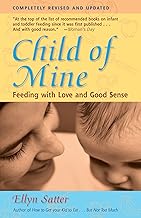
Child of Mine (Ellyn Satter)
Classic on responsive feeding and trusting hunger/fullness cues.
View on Amazon
Baby-Led Weaning (Rapley)
Step-by-step guide to safe self-feeding and variety from the start.
View on Amazon
Fearless Feeding
Evidence-based nutrition strategies from infancy through school age.
View on AmazonCaregiver Tools


Toddler Utensils (Fork & Spoon)
Right-sized handles promote self-feeding and coordination.
View on Amazon

As an Amazon Associate I earn from qualifying purchases.
Notes & Disclaimer
Note for caregivers & educators: Content is independently created and informed by evidence-based research (e.g., AAP, USDA, Seligman) but not affiliated with or endorsed by any external institution or author.
Created by Ms. Vanessa — Early Learning Made Easy. All Rights Reserved.

Let Them Make a Mess: The Surprising Benefits of Self-Feeding
A closer look at why messy self-feeding builds confidence, sensory skills, and healthy relationships with food.
✨ You’re Doing Amazing — Let’s Make Learning Simple ✨
Subscribe to my blog for instant access to today’s Featured Freebie — plus weekly printables, early learning tips, and new resource alerts.
✉️ Subscribe for Instant Access
Want unlimited access to every premium resource and future freebie — forever?
(One-time purchase. Lifetime access.)
Already a member? Request your freebie here
No spam — just real tools that make early learning simple, joyful, and evidence-based.
About Early Learning Made Easy:
Created by Ms. Vanessa, CDA-certified Early Childhood Educator. This blog provides simple, joyful, evidence-informed learning activities for families and caregivers.
Affiliate & Research Disclosure:
This site may include Amazon affiliate links. As an Amazon Associate, I earn from qualifying purchases at no additional cost to you. Content is independently created and informed by evidence-based research.
© Early Learning Made Easy — All Rights Reserved.


No comments:
Post a Comment
We would love to hear from you!
Note: Only a member of this blog may post a comment.