Search This Blog

Early Learning Made Easy

Showing posts with label Developmental Milestones. Show all posts

Wednesday, February 4, 2026

Physical Development in Early Childhood: Foundations for Movement, Health, and Learning

Physical Development in Early Childhood Education

Physical development is a foundational learning domain in early childhood education. From a baby lifting their head for the first time to a preschooler running, climbing, pouring, and writing, physical growth supports every other area of learning and development.

In early childhood, physical development is not just about movement—it includes fine and gross motor skills, health, nutrition, body awareness, and the ability to safely and confidently interact with the physical world. These skills form the foundation for independence, self-care, and school readiness.


What Is Physical Development in Early Childhood?

Physical development refers to the growth and coordination of a child’s body and motor abilities. In early learning standards, this domain typically includes:

  • Gross motor development (large body movements)
  • Fine motor development (small, precise movements)
  • Health and wellness
  • Nutrition and feeding skills
  • Safety, body awareness, and self-care

Research and early learning frameworks consistently emphasize that physical development is deeply interconnected with cognitive, social, and emotional growth. Children learn through movement, exploration, and hands-on experiences.


Why Physical Development Matters

During the early years, the brain and body develop rapidly and together. Movement strengthens neural connections that support attention, problem-solving, emotional regulation, and learning.

Strong physical development in early childhood is associated with:

  • Improved coordination and body control
  • Greater independence in daily routines
  • Increased confidence and persistence
  • Better readiness for school tasks such as sitting, writing, and participating in group activities

Because of this, physical development plays a key role in both developmental milestones and kindergarten readiness.

Key Components of Physical Development

Gross Motor Development

Gross motor skills involve the large muscles of the body and support movements such as rolling, crawling, walking, running, jumping, climbing, and balancing.

In early childhood settings, gross motor development is supported through:

  • Active play indoors and outdoors
  • Opportunities for climbing, pushing, pulling, and carrying
  • Games that encourage coordination, balance, and strength

Daily movement supports physical health while also improving focus, mood, and learning readiness.

Fine Motor Development

Fine motor skills involve the small muscles of the hands and fingers and are essential for tasks such as grasping, feeding, dressing, drawing, and writing.

Fine motor development is strengthened through everyday activities like:

  • Using utensils during meals
  • Pouring, scooping, and serving food
  • Buttoning, zipping, and self-care routines
  • Art, building, and manipulative play

You may find these related posts helpful:

Health, Nutrition, and Wellness

Physical development also includes health, nutrition, and the habits that support lifelong wellbeing. Young children develop physical skills while learning to care for their bodies.

Nutrition plays a direct role in physical growth, energy levels, and skill development. Mealtime routines support:

  • Fine motor coordination
  • Independence and self-confidence
  • Healthy relationships with food

Explore these nutrition-focused posts that also support physical development:

Body Awareness, Safety, and Self-Care

As children grow, physical development includes learning how their bodies move in space, understanding safety, and developing self-care skills such as dressing, washing hands, and managing personal needs.

These skills contribute to confidence, independence, and participation in group learning environments.


Physical Development Across Early Childhood

Physical development follows predictable patterns, but every child develops at their own pace.

  • Infants build strength, coordination, and body control through movement and exploration.
  • Toddlers refine walking, climbing, feeding, and self-help skills.
  • Preschoolers develop coordination, endurance, and precision needed for school routines.

Understanding these patterns helps adults provide developmentally appropriate support without rushing or restricting natural growth.


Physical Development and Kindergarten Readiness

Physical development is an essential part of school readiness. Children entering kindergarten need the stamina, coordination, and self-care skills to fully participate in learning.

Physical readiness supports:

  • Classroom participation
  • Early writing and tool use
  • Following routines and transitions
  • Confidence and independence

To learn more, visit:

Looking Ahead

In upcoming posts, we’ll explore physical development sub-domains in greater depth, including:

  • Fine motor skill development
  • Gross motor play and movement
  • Health and nutrition in early learning
  • Physical development activities by age group

Supporting physical development in early childhood means giving children the freedom, time, and encouragement to move, explore, and grow—building strong foundations for lifelong learning.

This content is independently created and informed by evidence-based research. It is not affiliated with or endorsed by any external institution or organization.

✨ You’re Doing Amazing — Let’s Make Learning Simple ✨

Subscribe to my blog for instant access to today’s Featured Freebie — plus weekly printables, early learning tips, and new resource alerts.

✉️ Subscribe for Instant Access


Want unlimited access to every premium resource and future freebie — forever?

⭐ Become a Premium Member

(One-time purchase. Lifetime access.)

🛍️ Shop All Resources

Already a member? Request your freebie here

No spam — just real tools that make early learning simple, joyful, and evidence-based.

About Early Learning Made Easy:
Created by Ms. Vanessa, CDA-certified Early Childhood Educator. This blog provides simple, joyful, evidence-informed learning activities for families and caregivers.

Affiliate & Research Disclosure:
This site may include Amazon affiliate links. As an Amazon Associate, I earn from qualifying purchases at no additional cost to you. Content is independently created and informed by evidence-based research.

© Early Learning Made Easy — All Rights Reserved.

Monday, December 8, 2025

Family Game Night: A Simple Tradition That Builds Connection, Resilience & Early Learning

Family Game Night: A Simple Tradition That Builds Connection, Resilience & Early Learning

Family Game Night: A Simple Tradition That Builds Connection, Resilience & Early Learning


Family traditions don’t have to be elaborate or expensive to make a meaningful impact. Some of the most powerful rituals are the simple ones that bring everyone to the same space, at the same time, for a shared purpose. Family Game Night is one of those deceptively small traditions that can have a big impact on children’s learning, resilience, and sense of belonging.

Whether you are a parent, grandparent, aunt, uncle, family friend, or early childhood educator, you can use games to create predictable moments of connection that help children feel safe, seen, and valued. And you don’t have to wait until children are “old enough for board games” to get started. With a few adaptations, even babies as young as six months can join in the fun.

Good news: “Family Game Night” doesn’t have to mean a traditional two-parent household gathered around a dining room table. Any caring adult who spends consistent time with a child can build this ritual — grandparents, kinship caregivers, foster parents, and close family friends included.

Why Start Family Game Night Early?

Research on child development, positive psychology, and family routines consistently shows that shared, enjoyable activities strengthen both skills and relationships. Game nights do both at once:

  • Cognitive skills: Children practice attention, working memory, problem-solving, flexible thinking, and early math concepts like one-to-one correspondence, counting, and patterning.
  • Social-emotional skills: Games naturally involve taking turns, waiting, coping with winning and losing, and talking through strategies — all important for emotional regulation and social success.
  • Language development: Describing moves, asking for help, explaining rules, and narrating play builds vocabulary and communication skills.
  • Executive functioning: Following rules, remembering steps, planning ahead, and shifting strategies support the same “thinking skills” children use in school.

When game night happens regularly, it becomes a predictable routine that children can look forward to. That sense of “We always do this together” helps build a strong family culture, which research shows can buffer the effect of stress and adverse childhood experiences.

Game Night as a Protective Tradition for Kids Facing Adversity

Many children today are navigating tough situations — family changes, separation or divorce, moves, illness, economic stress, or other adverse experiences. While we cannot always remove every stressor, we can surround children with consistent, nurturing relationships and routines that act like emotional safety nets.

Simple traditions like Family Game Night help children:

  • Feel anchored in something familiar and predictable
  • Experience warmth, humor, and shared joy with trusted adults
  • Practice naming feelings, solving small problems, and bouncing back from disappointment
  • Build positive memories that sit alongside the hard moments

This is true whether “family” means parents, grandparents, aunts and uncles, kinship caregivers, foster parents, or family friends who are providing day-to-day care. If you are a caring adult in a child’s life, you can use game night as a small but powerful intervention that supports social-emotional growth and long-term resilience.

Remember: It’s not the size of the tradition that matters. It’s the consistency, the emotional tone, and the message it sends: “You belong here. We make time for each other.”


🎨 Featured Family Game Resource

Looking for a simple, screen-free game that builds counting, fine motor skills, focus, and cooperation through play?

Our printable Count & Match by Color & Shape game is a favorite for both families and classrooms. It includes a build-it-together version, a quick-setup version, and everything even stores neatly inside the cup when you're done.

👉 Download the Game Here

Instant printable • Ages 2–6 • Home, classroom & therapy use

✨ Premium Member Access
Premium Members can access this game FREE inside the full resource library.
→ Log in or join Premium here

Yes, Babies Can Play Too! Adapting Game Night for Little Ones

When people hear “Family Game Night,” they often picture school-age children and complex board games. But babies and toddlers benefit tremendously when we adapt games to their developmental stage.

For babies around 6–18 months, game night can include things like:

  • Peek-a-boo variations: Use scarves, small cloths, or even the game box lid to create playful “Now you see me, now you don’t!” moments.
  • Mirror play: Sit with your baby in front of a mirror and take turns making faces, clapping, and copying each other’s movements.
  • Roll-the-ball: Sit on the floor and gently roll a soft ball or plush toy back and forth, narrating turns (“My turn…your turn!”).
  • Simple matching baskets: Offer two or three pairs of safe objects (like two wooden rings, two soft blocks) and help your baby “find the same.”
  • Texture and sound games: Tap different objects on the table and ask, “Which one makes the loudest sound? Which one is soft?”

Babies learn best through repetition, close contact, and back-and-forth interaction. These early “games” build the foundation for joint attention, turn-taking, and secure attachment — all of which support later learning and emotional health.

Want extra guidance on what types of play are appropriate at each age? Visit our Developmental Milestones (Birth–5) page and our Developmental Milestones Resources & Featured Activities page for charts, links, and printable tools.

Preschool Game Night: Building Kindergarten Readiness Through Play

By the preschool years, children can participate in more structured games — but the goal is still connection and fun. Many classic games (and homemade ones!) support the same skills children will use in kindergarten:

  • One-to-one correspondence: Moving one space per dot on the die, counting game pieces, or matching one card to one space.
  • Color and shape recognition: Sorting pieces by color, matching shapes, and naming what they see.
  • Fine motor skills: Picking up pieces, placing small objects on spaces, spinning spinners, and turning cards.
  • Listening and direction-following: Learning and remembering rules, or following adult prompts like “move to the next yellow space.”
  • Frustration tolerance: Practicing being a gracious winner and a resilient “try again” player.

If you’re curious how game-based skills connect to kindergarten readiness, you might also enjoy my Kindergarten Readiness page, where I break down foundational skills in kid-friendly, play-based ways.

A DIY Game You Can Print & Play Together

You absolutely do not have to spend a lot of money to make Family Game Night meaningful. In fact, one of my favorite approaches is to create simple games from everyday materials — and to let children help design, build, and play them together.

I created a printable, build-and-play family learning game for preschoolers, with adaptations for younger children (with close adult supervision). This game helps children practice:

  • Beginning one-to-one correspondence
  • Matching and identifying colors
  • Recognizing basic shapes
  • Strengthening fine motor skills
  • Taking turns and cheering for others

💛 You can explore the full game with complete instructions and printable playing cards here:
👉 Download the Count & Match by Color & Shape Game

The game includes:

  • A “build it together” version for families who enjoy crafting and creating
  • A quick-setup version for busy adults and very young children
  • And everything stores neatly inside the cup when you’re done for easy cleanup and reuse

It’s perfect for Family Game Night, learning centers, therapy play, and quiet hands-on learning time.

If your child loves drawing or inventing things, you can also invite them to help design their own new cards or challenges. Creating games together is a wonderful way to encourage creativity, planning, flexible thinking, and collaboration.

✨ Premium Member Access
Premium Members can access this game FREE inside the full resource library.
→ Log in or join Premium here

Helpful Games & Tools for Family Game Night

This section contains affiliate links. As an Amazon Associate I earn from qualifying purchases at no extra cost to you. I only recommend items that fit my Early Learning Made Easy philosophy of playful, developmentally appropriate learning.

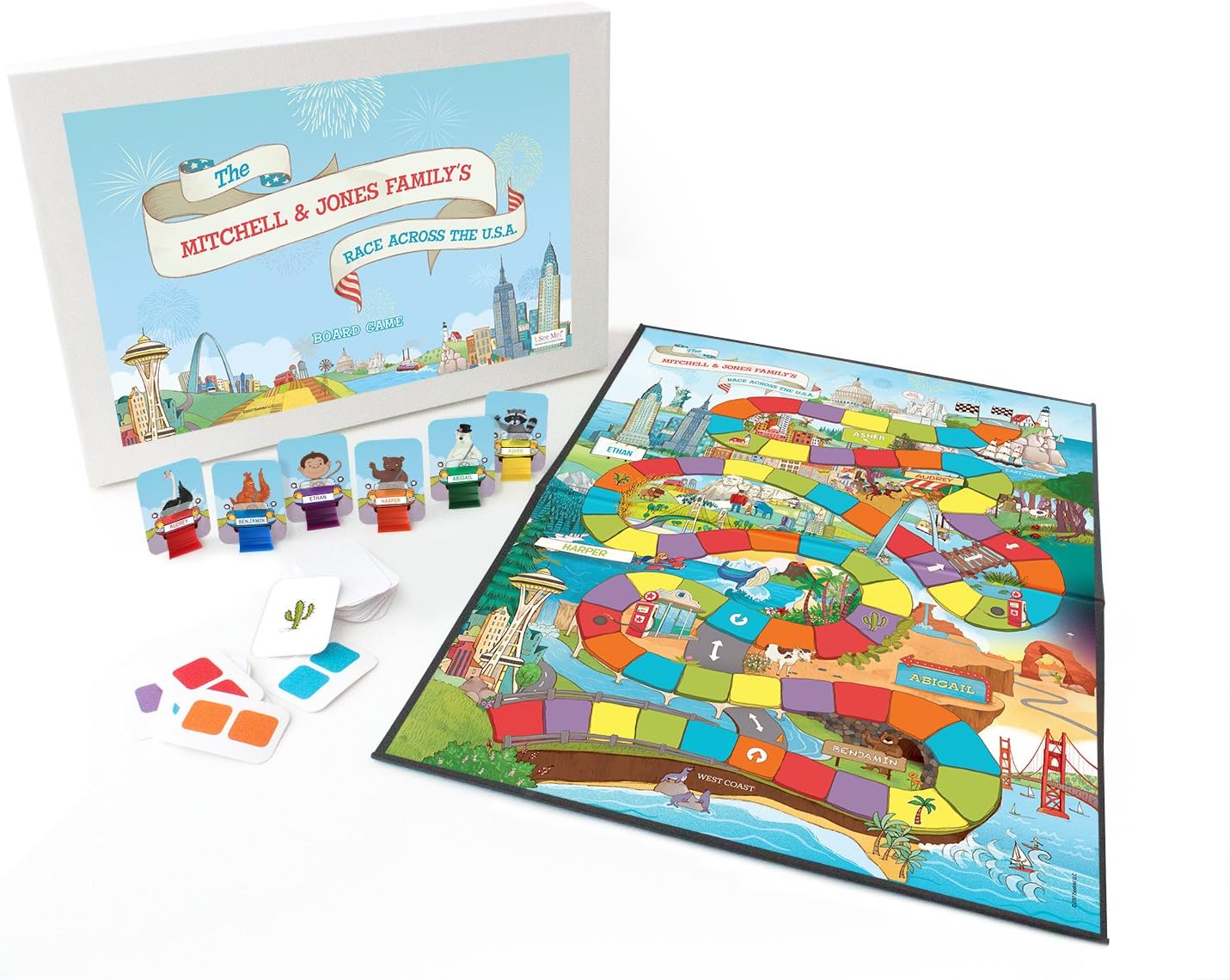
Personalized board game for family game night with spaces for family names

Personalized Family Board Game

A sweet way to put your own family right on the game board. Toddlers love seeing their names and photos woven into play.

Colorful interactive Montessori-style busy board game for babies and toddlers

Interactive Montessori-Style Game for Babies & Toddlers

Perfect for the tiniest players at game night. Focuses on exploration, cause-and-effect, and fine motor practice.

Silly preschool board game with bright pieces designed for young children

Preschool-Friendly Board Game

A silly, high-energy game designed especially for preschoolers that supports listening, gross motor, and early social skills.

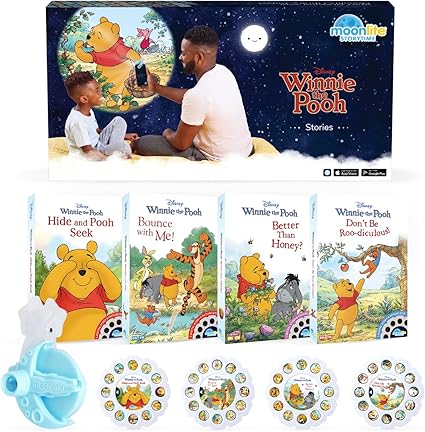
Storytime projector that clips onto a smartphone to project picture books on the wall

Storytime Projector for Family Story Night

Not technically a game, but a magical tool for starting another cozy family tradition: Story Night. Great for language and imagination.

Remember, these are optional extras. Homemade games, DIY dice, and hand-drawn boards can be just as powerful for bonding and learning — sometimes even more so.

Design Your Own Board Game

If your family loves being creative, try designing your own board game together. Start with a simple path (like the tic-tac-toe hearts in the featured image) and decide:

  • How do players move? (Roll a die, spin a spinner, draw a card?)
  • What happens on special spaces? (Jump ahead, go back, do a silly action, share something you’re thankful for?)
  • How does the game end? (Reach a finish line, collect a certain number of tokens, or complete a cooperative goal?)

Creating a game together lets children practice planning, negotiating rules, testing ideas, and revising — the same process scientists, engineers, and writers use in their work!

Making Family Game Night Work for Your Family

Every family looks different, and every week looks different, too. Here are some flexible guidelines you can adapt:

  • Choose a realistic rhythm. Weekly is wonderful, but biweekly or “Sunday evenings when we can” is also valuable. Consistency matters more than perfection.
  • Rotate who chooses the game. Let children feel ownership by picking the game (or the category) sometimes.
  • Keep it short and sweet. For toddlers and preschoolers, 10–20 minutes of focused, happy play beats an hour-long battle through meltdowns.
  • Emphasize fun over winning. Model phrases like “Good game,” “Nice try,” and “We can try again next time.”
  • Include snacks, snuggles, and silliness. These small touches help children associate game night with warmth and safety.

Over time, this simple ritual becomes part of your family story: “We’re the kind of people who make time to play together.”

Related Family Tradition Posts You May Enjoy

Research-Informed, Not Institution-Endorsed

Early Learning Made Easy resources are independently created by Ms. Vanessa and are informed by evidence-based research in early childhood development, positive psychology, and related fields. They are not officially affiliated with, reviewed by, or endorsed by any external institution or author (including but not limited to the AAP, CDC, USDA, or any university or clinic).

Stay Connected with Early Learning Made Easy

✨ You’re Doing Amazing — Let’s Make Learning Simple ✨

Subscribe to my blog for instant access to today’s Featured Freebie — plus weekly printables, early learning tips, and new resource alerts.

✉️ Subscribe for Instant Access


Want unlimited access to every premium resource and future freebie — forever?

⭐ Become a Premium Member

(One-time purchase. Lifetime access.)

🛍️ Shop All Resources

Already a member? Request your freebie here

No spam — just real tools that make early learning simple, joyful, and evidence-based.

About Early Learning Made Easy:
Created by Ms. Vanessa, CDA-certified Early Childhood Educator. This blog provides simple, joyful, evidence-informed learning activities for families and caregivers.

Affiliate & Research Disclosure:
This site may include Amazon affiliate links. As an Amazon Associate, I earn from qualifying purchases at no additional cost to you. Content is independently created and informed by evidence-based research.

© Early Learning Made Easy — All Rights Reserved.

Tuesday, December 2, 2025

Why Variety Matters: Feeding Babies and Toddlers (Birth–5) for Lifelong Healthy Eating

Early Learning Made Easy Feeding & Nutrition

Created by Ms. Vanessa — All Rights Reserved

Affiliate Disclosure: This post contains Amazon affiliate links. If you purchase through these links, I may earn a small commission at no extra cost to you.

Why Variety Matters: Feeding Infants Through Age 5 for Lifelong Health

Baby eating mashed avocado, practicing early self-feeding skills

Introduction

Feeding young children can feel like a daily challenge — balancing nutrition, picky eating, and practical realities. Yet from birth to age five, children experience rapid brain and body growth that shapes lifelong eating patterns and health outcomes. This period offers a powerful opportunity to nurture curiosity and positive relationships with food.

As you’re thinking about what to put on your child’s plate, it can also be helpful to keep an eye on the bigger picture of development. For a quick overview of what skills typically emerge when, you can explore my Developmental Milestones page and the companion Developmental Milestones Resources page for trusted links and tools.

Why Early Exposure to Diverse Foods Matters

Early exposure to a variety of healthy foods benefits children nutritionally, developmentally, and behaviorally. According to the USDA and American Academy of Pediatrics, offering diverse foods during the first five years promotes nutrient adequacy, healthy growth, and long-term dietary habits.

Nutritional Adequacy

Children have small stomachs but high nutrient needs. Including multiple food groups ensures they receive essential vitamins, minerals, and macronutrients.

Shaping Taste Preferences

Repeated early exposure to a range of textures and flavors increases acceptance of fruits, vegetables, grains, and proteins. Studies show infants exposed to vegetables early eat more of them later in childhood.

Lifelong Health

Balanced diets established early are linked to reduced risk of obesity, diabetes, and heart disease. Early diet quality “tracks” into later years, supporting physical and cognitive health.

Best Practices by Age Stage

Age / Stage Focus / What to Offer Why It Matters
Birth–6 months Exclusive breast milk or iron-fortified formula. Provides essential nutrients and immune protection.
6–9 months Introduce pureed foods from each food group gradually. Develops taste acceptance; supplies iron, zinc, and healthy fats.
9–12 months Expand textures; encourage safe self-feeding. Builds fine-motor skills and independence while meeting needs.
1–2 years Transition to family foods; offer all groups daily. Encourages autonomy and balanced diet patterns.
2–5 years Serve balanced meals with 3–5 food groups. Supports steady growth, habits, and positive mealtime behavior.

Why Include Multiple Food Groups at Each Meal

Combining foods from several food groups ensures nutrient balance, aids absorption, and models healthy eating behavior. Meals that include protein, whole grains, fruits or vegetables, and healthy fats promote satiety and better nutrient intake.


Recommended Books & Tools Affiliate

Reading Picks

Child of Mine by Ellyn Satter book cover

Child of Mine (Ellyn Satter)

Classic on responsive feeding and trusting hunger/fullness cues.

View on Amazon
Baby-Led Weaning by Gill Rapley and Tracey Murkett book cover

Baby-Led Weaning (Rapley)

Step-by-step guide to safe self-feeding and variety from the start.

View on Amazon
Fearless Feeding book cover

Fearless Feeding

Evidence-based nutrition strategies from infancy through school age.

View on Amazon

Caregiver Tools

Divided suction plate product image

Divided Suction Plate

Keeps foods separate to ease variety acceptance.

View on Amazon
Toddler training utensils product image

Toddler Utensils (Fork & Spoon)

Right-sized handles promote self-feeding and coordination.

View on Amazon
Kids' bento lunch box product image

Kids’ Bento Lunch Box

Easy way to pack multiple food groups for variety on the go.

View on Amazon
Baby training cup product image

Training Cup (Open or Straw)

Supports oral-motor skills and mealtime independence.

View on Amazon

As an Amazon Associate I earn from qualifying purchases.


Notes & Disclaimer

Note for caregivers & educators: Content is independently created and informed by evidence-based research (e.g., AAP, USDA, Seligman) but not affiliated with or endorsed by any external institution or author.

Created by Ms. Vanessa — Early Learning Made Easy. All Rights Reserved.


✨ You’re Doing Amazing — Let’s Make Learning Simple ✨

Subscribe to my blog for instant access to today’s Featured Freebie — plus weekly printables, early learning tips, and new resource alerts.

✉️ Subscribe for Instant Access


Want unlimited access to every premium resource and future freebie — forever?

⭐ Become a Premium Member

(One-time purchase. Lifetime access.)

🛍️ Shop All Resources

Already a member? Request your freebie here

No spam — just real tools that make early learning simple, joyful, and evidence-based.

About Early Learning Made Easy:
Created by Ms. Vanessa, CDA-certified Early Childhood Educator. This blog provides simple, joyful, evidence-informed learning activities for families and caregivers.

Affiliate & Research Disclosure:
This site may include Amazon affiliate links. As an Amazon Associate, I earn from qualifying purchases at no additional cost to you. Content is independently created and informed by evidence-based research.

© Early Learning Made Easy — All Rights Reserved.

New to ELME? Start Here...

Early Childhood Education Standards Explained: What Parents Need to Know

Early learning standards are best met through play, relationships, and everyday moments. E A R L Y ...