Search This Blog

Early Learning Made Easy

Showing posts with label Language and Literacy. Show all posts

Thursday, November 6, 2025

How to Build Early Reading Skills at Home (Birth to Age 5) | Daily Literacy Habits Checklist

Preventing Reading Problems Starts in the First Five Years

What parents and caregivers can do now to set children up for later reading success

Across the country, schools are working to improve reading instruction. One clear lesson from research: sound-only drills (phonemic awareness without letters) aren’t enough to build readers. Children learn best when sounds, letters, and meaningful print are connected—long before kindergarten.

Good news: you don’t need worksheets or a curriculum to build these skills at home. You need language-rich, print-connected, joyful experiences—from birth to age five.


1) Talk (A Lot) From Day One

  • Narrate daily life: “Now we wash hands—swish, swish!”
  • Use rich vocabulary and respond to babbles; conversations wire the brain for language.
  • Turn-taking with sounds and words teaches kids that communication has power.

2) Read Aloud Every Day—Read With Them

  • Babies: board books to touch and mouth; point and name pictures.
  • Toddlers: ask, “What do you see?”; let them turn pages; build routines.
  • Preschoolers: predict, retell, and finish simple refrains (“…what do you see?”).

It’s the interaction, not finishing the book, that grows readers.

3) Connect Sounds to Letters in Real Life

Make casual, meaningful links: “M says /mmm/—M is for mommy.” Point to letters on signs, cereal boxes, and labels. When they hear a sound, show the matching letter.

4) Build Phonemic Awareness Through Play (No Worksheets Needed)

  • “Find something that starts with /b/.”
  • “Say sun without /s/.” (That’s a silly un!)
  • Clap syllables in family names; play with rhymes at bath time.

5) Let Them See Themselves as Writers

Keep crayons and paper accessible. Celebrate scribbles, letter-like shapes, and invented spelling (“DOG” might be “DG”—that’s great!). Writing strengthens the same pathways they’ll use to read.

6) Don’t Rush “Early Reading”—Build Love, Knowledge, and Comprehension

Focus on vocabulary, background knowledge, and story sense. A child who loves books will read; a child drilled on flashcards may learn to hate it.


A Simple Daily Rhythm

  • Talk during routines (meals, bath, walks)
  • Read 10–20 minutes (anytime works!)
  • Play with sounds (rhyme, first sounds)
  • Spot letters in the world (signs, labels)
  • Write & draw (lists, labels, cards)

Helpful Books & Tools 

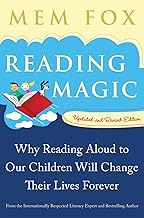
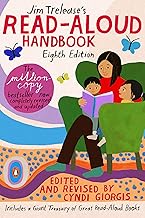
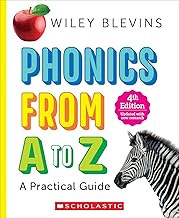
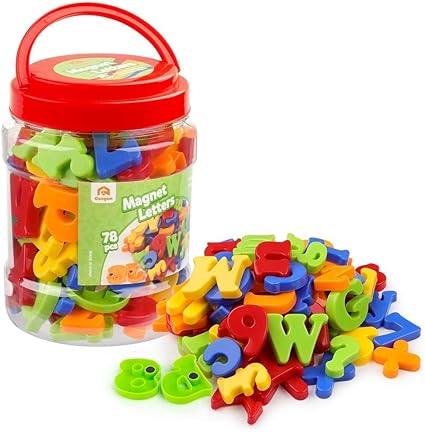
These are parent favorites for joyful, science-aligned early literacy. (Amazon affiliate links.)


Disclosure: As an Amazon Associate I earn from qualifying purchases.

Free Family Resource

Grab my one-page checklist: “Early Reading Starts at Home: Daily Habits.”

Subscribe free to get it by email (plus new early-learning printables each week).


Evidence note: Decades of research support integrating phonemic awareness with letters and print and building rich oral language, background knowledge, and purposeful reading/writing in the early years. This article translates those ideas into simple family routines.

Early Learning Made Easy — Making Early Learning Simple, Joyful, and Evidence-Based.

Disclaimer: Content is independently created and informed by evidence-based research; ELME is not affiliated with or endorsed by any external institution or author. All Rights Reserved.

✨ You’re Doing Amazing — Let’s Make Learning Simple ✨

Subscribe to my blog for instant access to today’s Featured Freebie — plus weekly printables, early learning tips, and new resource alerts.

✉️ Subscribe for Instant Access


Want unlimited access to every premium resource and future freebie — forever?

⭐ Become a Premium Member

(One-time purchase. Lifetime access.)

🛍️ Shop All Resources

Already a member? Request your freebie here

No spam — just real tools that make early learning simple, joyful, and evidence-based.

About Early Learning Made Easy:
Created by Ms. Vanessa, CDA-certified Early Childhood Educator. This blog provides simple, joyful, evidence-informed learning activities for families and caregivers.

Affiliate & Research Disclosure:
This site may include Amazon affiliate links. As an Amazon Associate, I earn from qualifying purchases at no additional cost to you. Content is independently created and informed by evidence-based research.

© Early Learning Made Easy — All Rights Reserved.

Tuesday, October 28, 2025

Spooky, Sweet, and Silly: The Best Halloween Books for Every Age

E A R L Y   L E A R N I N G   M A D E   E A S Y

Spooky, Sweet, and Silly: The Best Halloween Books for Every Age

Wholesome, Fun, and Age-Appropriate Halloween & Fall Book Picks for Families and Educators
By Ms. Vanessa | Early Learning Made Easy
Making Early Learning Simple, Joyful, and Evidence-Based

Reading holiday-themed books helps children connect language with real-life experiences, build emotional awareness, and enjoy seasonal excitement. The best Halloween books are silly, cozy, and heartwarming — encouraging laughter, bravery, and imagination.

Infants & Young Toddlers (Ages 0–2)

Cover of Boo! by Leslie Patricelli
Boo! by Leslie Patricelli

Caregiver Tip: Read with expression, repeat favorite lines, and let little hands turn pages to build early literacy.

Toddlers (Ages 2–3)


Little Blue Truck’s Halloween by Alice Schertle

Caregiver Tip: Add sound effects and motions—say “boo!” or flap like a bat—to make reading fun and active.

Preschoolers (Ages 3–5)


Room on the Broom by Julia Donaldson

Teacher Tip: Pair books with crafts or dramatized retellings—literacy through play strengthens comprehension.

 Early Elementary (Ages 5–8)


The Berenstain Bears Trick or Treat by Stan & Jan Berenstain

Caregiver Tip: Ask open-ended questions like “What would you do?” to build empathy and reflection.

Fall-Friendly Alternatives


The Scarecrow by Beth Ferry

Perfect for programs that focus on gratitude, community, and nature rather than holiday themes.

Tips for Meaningful Storytime

  1. Keep it interactive — let children finish rhymes or act out parts.
  2. Connect stories to real life — talk about pumpkins, leaves, or friendship.
  3. Encourage re-reading — repetition builds confidence.
  4. Reflect — ask what made them laugh or feel brave.


Final Thought

Halloween reading doesn’t need to be spooky — it just needs to be meaningful. When children laugh, wonder, and connect through books, they’re building language, empathy, and imagination — one page at a time.


Printable Halloween & Fall Booklist for Every Age

🎃 Printable Booklist + Storytime Reflection (2 pages)

A quick-reference version of this post—organized by age, plus “Tips for Meaningful Storytime” and a reflection journal. Fridge-friendly & classroom-ready.

Free for subscribers on the day this article is posted, free anytime for Premium Members, and $1 for non-members. As an Amazon Associate, Early Learning Made Easy earns from qualifying purchases.

Affiliate Disclosure: As an Amazon Associate, Early Learning Made Easy earns from qualifying purchases. We only recommend books we truly love.

Research & Attribution: Independently created by Early Learning Made Easy, informed by evidence-based research. Not affiliated with or endorsed by any external institution or author.

© 2025 Early Learning Made Easy | All Rights Reserved

Thursday, October 9, 2025

The Power of Connection: Why Consistent Interaction Matters from Birth to Age Five by Ms. Vanessa — Early Learning Made Easy


The Power of Connection: Why Consistent Interaction Matters from Birth to Age Five

by Ms. Vanessa — Early Learning Made Easy

Why Everyday Interactions Matter

From the moment a baby is born, their brain is building millions of connections every second — connections that depend on the quality of their interactions with caregivers. Talking, playing, reading, singing, smiling, and responding to your child’s cues are not just “nice extras.” These moments are essential ingredients in how children learn to communicate, think, trust, and regulate emotions.

Children who experience consistent, loving interaction learn that the world is a safe place and that their needs will be met. In contrast, children who receive limited or inconsistent interaction can face delays in language, social-emotional development, and even long-term stress responses.

Let’s look at how this plays out at each stage — and what it looks like in real life.


 Infants (Birth–12 months): Building Trust Through Responsiveness


What they need: Frequent, predictable interaction and comfort.
Why it matters: A baby’s first relationships shape their sense of safety and security — the foundation for all future learning.

Real life examples:

  • When a baby cries and a caregiver gently picks them up, speaks softly, and meets their need, the baby learns that their voice matters and that adults are dependable.

  • Talking during diaper changes (“Here are your tiny toes!”), making eye contact during feedings, and singing lullabies all strengthen attachment and language pathways.


Risk of too little interaction:
Infants who experience minimal face-to-face engagement or inconsistent caregiving may struggle to self-soothe, show flat affect (limited emotional expression), or later develop delays in social and communication skills. The brain needs consistent, loving feedback to wire emotional and language circuits effectively.


 Toddlers (1–3 years): Learning Through Shared Experiences

What they need: Interaction that encourages exploration and naming the world around them.
Why it matters: Toddlers learn language, problem-solving, and emotional regulation through imitation and feedback from caregivers.


Real life examples:

  • When a toddler points at a bird and the caregiver responds, “Yes, that’s a bird! Look at its wings!” they’re not just labeling — they’re teaching conversation turn-taking and joint attention.

  • During daily routines, letting toddlers “help” with simple tasks (“Can you put the spoon on the table?”) builds confidence and vocabulary.

Risk of too little interaction:
Toddlers who are frequently left to “play alone” without guidance or conversation can miss key opportunities to practice speech, develop empathy, and learn limits. Over time, this may result in language delays, behavioral frustration, or difficulty forming secure relationships.


 Preschoolers (3–5 years): Growing Minds Need Meaningful Conversation

What they need: Consistent engagement, back-and-forth dialogue, and shared problem-solving.
Why it matters: Preschoolers’ social and cognitive skills expand rapidly through imaginative play and adult modeling.

Real life examples:

  • Asking open-ended questions (“What do you think will happen if we mix these colors?”) encourages curiosity and reasoning.

  • Reading together and discussing stories helps children learn empathy and emotional vocabulary.

  • Routine family activities — from cooking to bedtime chats — give preschoolers space to express feelings and practice listening.

Risk of too little interaction:
Children with limited caregiver interaction may show delayed language comprehension, poor emotional control, and reduced readiness for school. Inconsistent attention can also affect self-esteem and cause children to seek attention through challenging behaviors.


 The Long-Term Impact of Consistent Care

The quantity and quality of interaction matter. Consistency builds trust, and trust builds the foundation for every developmental milestone that follows. Every diaper change, storytime, or shared giggle is a chance to wire the brain for learning, empathy, and resilience.

Even ten intentional minutes of focused, one-on-one interaction several times a day can make a lasting difference.


Final Thoughts

Caregivers don’t need fancy toys or degrees in child psychology — they just need to be present, responsive, and loving. The best gift you can give a child is your attention.


Join Early Learning Made Easy for free printable resources, caregiver guides, and evidence-based tools to support your child’s growth and connection.


Research & Attribution Disclaimer:
This content is independently created by Early Learning Made Easy and informed by evidence-based research from trusted sources and child development experts. It is not affiliated with or endorsed by any external institution.

Wednesday, October 8, 2025

🧠 Why Early Learning Starts at Home: Simple Ways to Build Your Child’s Brain Every Day


🌼 Early Learning Made Easy!

From the moment your baby is born, their brain is learning at lightning speed. Every smile, word, and cuddle helps build the foundation for how they will think, communicate, and connect for the rest of their lives.

But here’s the good news: supporting your child’s development doesn’t require expensive toys or a teaching degree — it happens naturally, in your everyday routines.

At Early Learning Made Easy, we believe that parents, caregivers, and educators are all teachers in a child’s first classroom — home, family, and community. Understanding how young children learn helps you make every moment count.


🌿 How Young Children Learn

From birth to age five, children learn best through play and relationships. They explore, imitate, and experiment — watching how you respond, and building their own understanding of the world.

  • Social and Emotional Learning: When you comfort your baby or model patience, you’re teaching emotional safety and empathy.

  • Language and Literacy: Reading, singing, and naming things around the house help build vocabulary long before formal schooling begins.

  • Fine and Gross Motor Skills: Stacking blocks, climbing, or helping stir batter all strengthen coordination and confidence.

  • Cognitive Development: Asking “What do you think will happen next?” encourages problem-solving and curiosity.

  • Sensory Play: Water, sand, music, and movement help the brain process and integrate new information through all five senses.

Each of these areas develops together — social skills influence learning, movement supports focus, and secure attachments fuel confidence.


💛 Everyday Learning Moments

You don’t need to “schedule” learning. It’s happening all the time:

  • Talking while folding laundry teaches sequencing and language.

  • Counting snacks builds math awareness.

  • Singing in the car strengthens memory and rhythm.

  • Asking children how they feel builds emotional vocabulary.

It’s not about perfection; it’s about connection. When children feel safe and loved, their brains are free to explore, learn, and grow.


🌸 Takeaway

The most powerful learning tools you can give your child are time, attention, and responsive care. Your presence — and the joy you share in everyday moments — lays the foundation for a lifetime of curiosity, resilience, and success.

Join us at Early Learning Made Easy for more practical tools, printable activities, and evidence-based insights that make nurturing your child’s growth simple and joyful.


🪶 Research Note & Attribution

Created by Ms. Vanessa — Early Learning Made Easy
This resource is independently created and informed by evidence-based research, but is not affiliated with or endorsed by any external institution or author.


Grab your quick guide for this content and a copy of this article or become a premium member today for free access to all content, including articles and resources by clicking below.


New to ELME? Start Here...

Early Childhood Education Standards Explained: What Parents Need to Know

Early learning standards are best met through play, relationships, and everyday moments. E A R L Y ...