Search This Blog

Early Learning Made Easy

Showing posts with label preschool. Show all posts

Tuesday, February 3, 2026

Language & Literacy Development in Early Childhood: A Foundation for Lifelong Learning


Stacked alphabet blocks representing language and literacy development in early childhood

Language and literacy development is one of the most foundational learning domains in early childhood education. From the very first coos and gestures of infancy to the complex storytelling and early writing skills of the preschool years, children build communication skills that support every other area of development—including cognitive growth, social-emotional learning, and long-term academic success.

This article provides a broad, research-informed overview of Language & Literacy as a core Early Childhood Education (ECE) domain. It is part of our larger Early Childhood Education Standards series and will serve as a hub for future posts exploring specific subdomains and age-based expectations.


What Is Language & Literacy in Early Childhood?

In early childhood education, language refers to a child’s ability to understand and use communication systems—spoken words, gestures, signs, facial expressions, and eventually written symbols. Literacy builds upon language and includes skills such as listening comprehension, phonological awareness, book knowledge, print awareness, and early writing.

Research consistently shows that language and literacy development begins at birth and is shaped by responsive relationships, meaningful interaction, and rich, play-based experiences long before formal reading instruction begins :contentReference[oaicite:0]{index=0}.

Why Language & Literacy Matter So Much

Strong early language and literacy skills are closely linked to:

  • Brain development and neural connectivity
  • Emotional regulation and social communication
  • Later reading comprehension and writing ability
  • School readiness and long-term academic outcomes

According to pediatric and early learning research, shared reading, storytelling, conversation, and exposure to rich vocabulary in the early years significantly strengthen brain circuits responsible for language processing and comprehension :contentReference[oaicite:1]{index=1}.


Core Components of the Language & Literacy Domain

Most early learning frameworks—including state early learning guidelines and national organizations—organize language and literacy development into several interconnected subdomains:

1. Listening and Understanding (Receptive Language)

This includes a child’s ability to attend to sounds, understand spoken language, follow directions, and comprehend stories, songs, and conversations. Receptive language develops before expressive language and lays the groundwork for later reading comprehension.

2. Speaking and Communicating (Expressive Language)

Expressive language involves using sounds, words, gestures, signs, and eventually sentences to communicate needs, ideas, and emotions. Back-and-forth interaction with responsive adults is a critical driver of growth in this area.

3. Phonological and Phonemic Awareness

Phonological awareness refers to recognizing and manipulating the sounds of language—such as rhymes, syllables, and beginning sounds. Research shows this skill is a key stepping-stone to later reading success, particularly decoding and spelling :contentReference[oaicite:2]{index=2}.

4. Book Knowledge and Appreciation

Children develop early literacy long before they can read independently. Holding books, turning pages, recognizing pictures, retelling stories, and enjoying repeated readings all support comprehension and narrative skills.

5. Print Awareness and Early Writing

Print awareness includes understanding that print carries meaning, recognizing environmental print, and experimenting with marks, scribbles, and early writing tools. These early experiences support fine motor development and written language later on.


Language & Literacy Across Early Childhood

Language and literacy development looks different at each stage of early childhood, but the progression is continuous and cumulative.

  • Infants (Birth–12 months): Communication through cries, gestures, babbling, eye contact, and shared attention. Listening to language and responding to voices builds the foundation for later speech.
  • Toddlers (12–36 months): Rapid vocabulary growth, combining words, asking questions, naming objects, and engaging in simple conversations.
  • Preschoolers (3–5 years): Complex sentences, storytelling, rhyming, phonological awareness, early writing, and growing interest in letters and books.

Future posts in this series will explore each age group and subdomain in depth, with practical activities and developmentally appropriate strategies.


The Role of Adults and the Learning Environment

Adults play a central role in supporting language and literacy development. Responsive caregiving, modeling rich language, reading aloud, and engaging children in meaningful conversation are consistently identified as best practices across research and early learning standards :contentReference[oaicite:3]{index=3}.

Language-rich environments include:

  • Books accessible at children’s eye level
  • Opportunities for storytelling, singing, and dramatic play
  • Visual supports, labels, and environmental print
  • Inclusive materials that reflect children’s cultures and home languages

Language, Literacy, and Kindergarten Readiness

Language and literacy skills are deeply connected to kindergarten readiness. Children who enter school with strong oral language, listening comprehension, and early literacy experiences are more likely to succeed academically and socially.

Importantly, early literacy development is not about early academics—it is about building strong foundations through play, relationships, and joyful learning experiences.


Coming Next in This Series

This overview is the first step in a deeper exploration of Language & Literacy development. Upcoming posts will include:

  • Language & Literacy Development in Infants
  • Language & Literacy Development in Toddlers
  • Preschool Language, Literacy, and Pre-Reading Skills
  • Phonological Awareness Explained
  • Storytelling, Read-Alouds, and Narrative Development

If you’d like to explore related topics now, visit our Early Learning Made Easy resource library.

✨ You’re Doing Amazing — Let’s Make Learning Simple ✨

Subscribe to my blog for instant access to today’s Featured Freebie — plus weekly printables, early learning tips, and new resource alerts.

✉️ Subscribe for Instant Access


Want unlimited access to every premium resource and future freebie — forever?

⭐ Become a Premium Member

(One-time purchase. Lifetime access.)

🛍️ Shop All Resources

Already a member? Request your freebie here

No spam — just real tools that make early learning simple, joyful, and evidence-based.

About Early Learning Made Easy:
Created by Ms. Vanessa, CDA-certified Early Childhood Educator. This blog provides simple, joyful, evidence-informed learning activities for families and caregivers.

Affiliate & Research Disclosure:
This site may include Amazon affiliate links. As an Amazon Associate, I earn from qualifying purchases at no additional cost to you. Content is independently created and informed by evidence-based research.

© Early Learning Made Easy — All Rights Reserved.

Monday, December 8, 2025

Family Game Night: A Simple Tradition That Builds Connection, Resilience & Early Learning

Family Game Night: A Simple Tradition That Builds Connection, Resilience & Early Learning

Family Game Night: A Simple Tradition That Builds Connection, Resilience & Early Learning


Family traditions don’t have to be elaborate or expensive to make a meaningful impact. Some of the most powerful rituals are the simple ones that bring everyone to the same space, at the same time, for a shared purpose. Family Game Night is one of those deceptively small traditions that can have a big impact on children’s learning, resilience, and sense of belonging.

Whether you are a parent, grandparent, aunt, uncle, family friend, or early childhood educator, you can use games to create predictable moments of connection that help children feel safe, seen, and valued. And you don’t have to wait until children are “old enough for board games” to get started. With a few adaptations, even babies as young as six months can join in the fun.

Good news: “Family Game Night” doesn’t have to mean a traditional two-parent household gathered around a dining room table. Any caring adult who spends consistent time with a child can build this ritual — grandparents, kinship caregivers, foster parents, and close family friends included.

Why Start Family Game Night Early?

Research on child development, positive psychology, and family routines consistently shows that shared, enjoyable activities strengthen both skills and relationships. Game nights do both at once:

  • Cognitive skills: Children practice attention, working memory, problem-solving, flexible thinking, and early math concepts like one-to-one correspondence, counting, and patterning.
  • Social-emotional skills: Games naturally involve taking turns, waiting, coping with winning and losing, and talking through strategies — all important for emotional regulation and social success.
  • Language development: Describing moves, asking for help, explaining rules, and narrating play builds vocabulary and communication skills.
  • Executive functioning: Following rules, remembering steps, planning ahead, and shifting strategies support the same “thinking skills” children use in school.

When game night happens regularly, it becomes a predictable routine that children can look forward to. That sense of “We always do this together” helps build a strong family culture, which research shows can buffer the effect of stress and adverse childhood experiences.

Game Night as a Protective Tradition for Kids Facing Adversity

Many children today are navigating tough situations — family changes, separation or divorce, moves, illness, economic stress, or other adverse experiences. While we cannot always remove every stressor, we can surround children with consistent, nurturing relationships and routines that act like emotional safety nets.

Simple traditions like Family Game Night help children:

  • Feel anchored in something familiar and predictable
  • Experience warmth, humor, and shared joy with trusted adults
  • Practice naming feelings, solving small problems, and bouncing back from disappointment
  • Build positive memories that sit alongside the hard moments

This is true whether “family” means parents, grandparents, aunts and uncles, kinship caregivers, foster parents, or family friends who are providing day-to-day care. If you are a caring adult in a child’s life, you can use game night as a small but powerful intervention that supports social-emotional growth and long-term resilience.

Remember: It’s not the size of the tradition that matters. It’s the consistency, the emotional tone, and the message it sends: “You belong here. We make time for each other.”


🎨 Featured Family Game Resource

Looking for a simple, screen-free game that builds counting, fine motor skills, focus, and cooperation through play?

Our printable Count & Match by Color & Shape game is a favorite for both families and classrooms. It includes a build-it-together version, a quick-setup version, and everything even stores neatly inside the cup when you're done.

👉 Download the Game Here

Instant printable • Ages 2–6 • Home, classroom & therapy use

✨ Premium Member Access
Premium Members can access this game FREE inside the full resource library.
→ Log in or join Premium here

Yes, Babies Can Play Too! Adapting Game Night for Little Ones

When people hear “Family Game Night,” they often picture school-age children and complex board games. But babies and toddlers benefit tremendously when we adapt games to their developmental stage.

For babies around 6–18 months, game night can include things like:

  • Peek-a-boo variations: Use scarves, small cloths, or even the game box lid to create playful “Now you see me, now you don’t!” moments.
  • Mirror play: Sit with your baby in front of a mirror and take turns making faces, clapping, and copying each other’s movements.
  • Roll-the-ball: Sit on the floor and gently roll a soft ball or plush toy back and forth, narrating turns (“My turn…your turn!”).
  • Simple matching baskets: Offer two or three pairs of safe objects (like two wooden rings, two soft blocks) and help your baby “find the same.”
  • Texture and sound games: Tap different objects on the table and ask, “Which one makes the loudest sound? Which one is soft?”

Babies learn best through repetition, close contact, and back-and-forth interaction. These early “games” build the foundation for joint attention, turn-taking, and secure attachment — all of which support later learning and emotional health.

Want extra guidance on what types of play are appropriate at each age? Visit our Developmental Milestones (Birth–5) page and our Developmental Milestones Resources & Featured Activities page for charts, links, and printable tools.

Preschool Game Night: Building Kindergarten Readiness Through Play

By the preschool years, children can participate in more structured games — but the goal is still connection and fun. Many classic games (and homemade ones!) support the same skills children will use in kindergarten:

  • One-to-one correspondence: Moving one space per dot on the die, counting game pieces, or matching one card to one space.
  • Color and shape recognition: Sorting pieces by color, matching shapes, and naming what they see.
  • Fine motor skills: Picking up pieces, placing small objects on spaces, spinning spinners, and turning cards.
  • Listening and direction-following: Learning and remembering rules, or following adult prompts like “move to the next yellow space.”
  • Frustration tolerance: Practicing being a gracious winner and a resilient “try again” player.

If you’re curious how game-based skills connect to kindergarten readiness, you might also enjoy my Kindergarten Readiness page, where I break down foundational skills in kid-friendly, play-based ways.

A DIY Game You Can Print & Play Together

You absolutely do not have to spend a lot of money to make Family Game Night meaningful. In fact, one of my favorite approaches is to create simple games from everyday materials — and to let children help design, build, and play them together.

I created a printable, build-and-play family learning game for preschoolers, with adaptations for younger children (with close adult supervision). This game helps children practice:

  • Beginning one-to-one correspondence
  • Matching and identifying colors
  • Recognizing basic shapes
  • Strengthening fine motor skills
  • Taking turns and cheering for others

💛 You can explore the full game with complete instructions and printable playing cards here:
👉 Download the Count & Match by Color & Shape Game

The game includes:

  • A “build it together” version for families who enjoy crafting and creating
  • A quick-setup version for busy adults and very young children
  • And everything stores neatly inside the cup when you’re done for easy cleanup and reuse

It’s perfect for Family Game Night, learning centers, therapy play, and quiet hands-on learning time.

If your child loves drawing or inventing things, you can also invite them to help design their own new cards or challenges. Creating games together is a wonderful way to encourage creativity, planning, flexible thinking, and collaboration.

✨ Premium Member Access
Premium Members can access this game FREE inside the full resource library.
→ Log in or join Premium here

Helpful Games & Tools for Family Game Night

This section contains affiliate links. As an Amazon Associate I earn from qualifying purchases at no extra cost to you. I only recommend items that fit my Early Learning Made Easy philosophy of playful, developmentally appropriate learning.

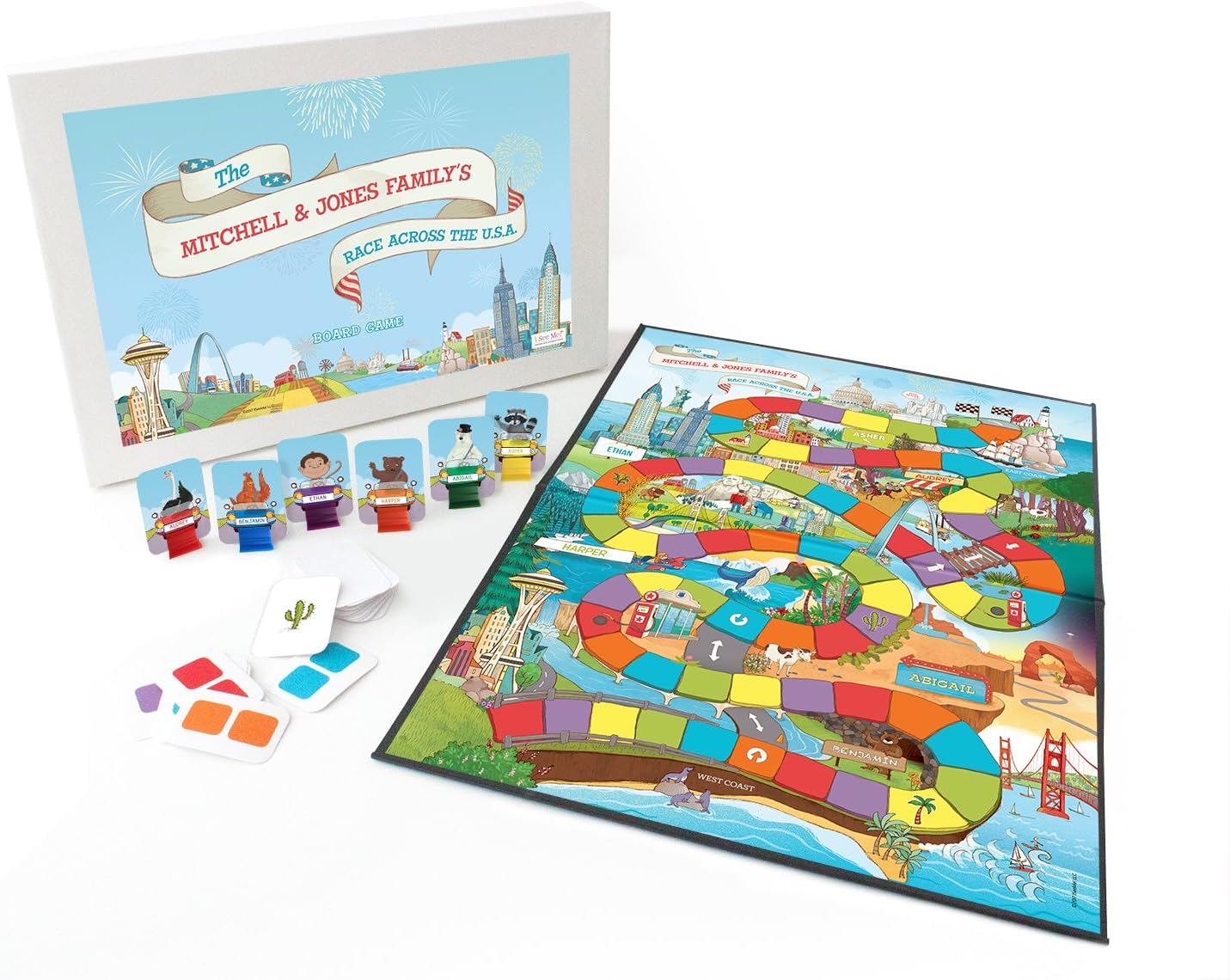
Personalized board game for family game night with spaces for family names

Personalized Family Board Game

A sweet way to put your own family right on the game board. Toddlers love seeing their names and photos woven into play.

Colorful interactive Montessori-style busy board game for babies and toddlers

Interactive Montessori-Style Game for Babies & Toddlers

Perfect for the tiniest players at game night. Focuses on exploration, cause-and-effect, and fine motor practice.

Silly preschool board game with bright pieces designed for young children

Preschool-Friendly Board Game

A silly, high-energy game designed especially for preschoolers that supports listening, gross motor, and early social skills.

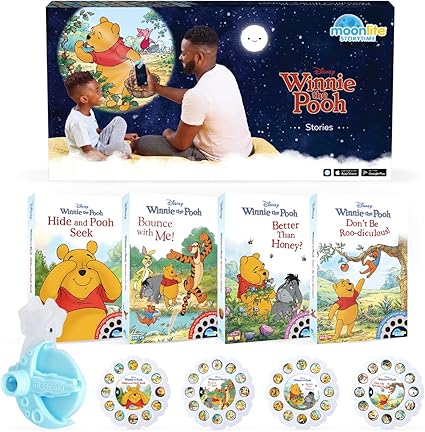
Storytime projector that clips onto a smartphone to project picture books on the wall

Storytime Projector for Family Story Night

Not technically a game, but a magical tool for starting another cozy family tradition: Story Night. Great for language and imagination.

Remember, these are optional extras. Homemade games, DIY dice, and hand-drawn boards can be just as powerful for bonding and learning — sometimes even more so.

Design Your Own Board Game

If your family loves being creative, try designing your own board game together. Start with a simple path (like the tic-tac-toe hearts in the featured image) and decide:

  • How do players move? (Roll a die, spin a spinner, draw a card?)
  • What happens on special spaces? (Jump ahead, go back, do a silly action, share something you’re thankful for?)
  • How does the game end? (Reach a finish line, collect a certain number of tokens, or complete a cooperative goal?)

Creating a game together lets children practice planning, negotiating rules, testing ideas, and revising — the same process scientists, engineers, and writers use in their work!

Making Family Game Night Work for Your Family

Every family looks different, and every week looks different, too. Here are some flexible guidelines you can adapt:

  • Choose a realistic rhythm. Weekly is wonderful, but biweekly or “Sunday evenings when we can” is also valuable. Consistency matters more than perfection.
  • Rotate who chooses the game. Let children feel ownership by picking the game (or the category) sometimes.
  • Keep it short and sweet. For toddlers and preschoolers, 10–20 minutes of focused, happy play beats an hour-long battle through meltdowns.
  • Emphasize fun over winning. Model phrases like “Good game,” “Nice try,” and “We can try again next time.”
  • Include snacks, snuggles, and silliness. These small touches help children associate game night with warmth and safety.

Over time, this simple ritual becomes part of your family story: “We’re the kind of people who make time to play together.”

Related Family Tradition Posts You May Enjoy

Research-Informed, Not Institution-Endorsed

Early Learning Made Easy resources are independently created by Ms. Vanessa and are informed by evidence-based research in early childhood development, positive psychology, and related fields. They are not officially affiliated with, reviewed by, or endorsed by any external institution or author (including but not limited to the AAP, CDC, USDA, or any university or clinic).

Stay Connected with Early Learning Made Easy

✨ You’re Doing Amazing — Let’s Make Learning Simple ✨

Subscribe to my blog for instant access to today’s Featured Freebie — plus weekly printables, early learning tips, and new resource alerts.

✉️ Subscribe for Instant Access


Want unlimited access to every premium resource and future freebie — forever?

⭐ Become a Premium Member

(One-time purchase. Lifetime access.)

🛍️ Shop All Resources

Already a member? Request your freebie here

No spam — just real tools that make early learning simple, joyful, and evidence-based.

About Early Learning Made Easy:
Created by Ms. Vanessa, CDA-certified Early Childhood Educator. This blog provides simple, joyful, evidence-informed learning activities for families and caregivers.

Affiliate & Research Disclosure:
This site may include Amazon affiliate links. As an Amazon Associate, I earn from qualifying purchases at no additional cost to you. Content is independently created and informed by evidence-based research.

© Early Learning Made Easy — All Rights Reserved.

Wednesday, November 19, 2025

The Science of Joyful Play: Flow States in Early Childhood Learning

 E A R L Y   L E A R N I N G   M A D E   E A S Y

The Science of Joyful Play: Flow States in Early Childhood Learning

Toddler Playing Joyfully with bubbles


“E” for Engagement — The Science of Joyful Play
By Ms. Vanessa | Early Learning Made Easy

Making Early Learning Simple, Joyful, and Evidence-Based

Affiliate Disclosure: This post may contain Amazon affiliate links. If you purchase through these links, I may earn a small commission at no extra cost to you. Thank you for supporting Early Learning Made Easy.

The “E” in PERMA: Engagement

In psychologist Dr. Martin Seligman’s PERMA model of well-being, the “E” stands for Engagement — that deep sense of focus, joy, and total absorption in what we’re doing. For young children, play is their natural state of engagement — their version of flow.

What Is Flow?

Psychologist Mihaly Csikszentmihalyi described flow as the sweet spot where challenge meets skill. In a state of flow, the mind is so immersed in an activity that time seems to disappear. Children experience this constantly — stacking blocks, finger-painting, or exploring a sound or motion just to see what happens.

Play as the Gateway to Engagement

Play is how children make sense of the world. When play is open-ended and child-led, it builds creativity, persistence, and intrinsic motivation — the “I want to do it again!” drive that fuels lifelong learning.

Finding Flow: What It Looks Like

You’ll know a child is in a state of flow when you see deep concentration, repetition, and calm focus. A child painting, dancing, or building quietly for several minutes isn’t zoning out — they’re zoning in. Their brain is lighting up with learning.

Creating Conditions for Flow

  • Offer open-ended materials like blocks, art supplies, or nature items.
  • Follow their lead — observe before stepping in.
  • Protect uninterrupted time.
  • Match challenge to skill.
  • Value the process, not the product.

When Adults Join the Flow

Engagement grows when caregivers share in it. When you crouch down beside a child and build with them — not to teach, but to join — your presence deepens their experience. Children learn that learning itself is joyful.

The Science Behind the Joy

Research by Csikszentmihalyi and Seligman shows that engagement is a core part of human well-being. In early learning, play-based engagement strengthens attention span, creativity, problem-solving, and emotional resilience.

Final Thought

When children are deeply engaged, they aren’t just playing — they’re learning how to think, focus, and find joy in discovery. Flow is where joy meets growth.

Helpful Tools (Text-Only Links)

Explore simple materials that encourage open-ended, child-led play. (Affiliate links, tagged vanessarm-20)

Magnet tiles are one of the best toys for promoting flow state in toddlers and preschoolers—that calm, focused engagement where real learning happens. The easy click-and-build design keeps kids absorbed as they explore shapes, balance, and cause-and-effect through hands-on play.

This simple, open-ended building also supports key kindergarten readiness skills like spatial reasoning, early math, problem-solving, fine motor control, and cooperative play. (Learn more on my Kindergarten Readiness page.)

Magnet tiles naturally align with developmental milestones from ages 2–5, helping children strengthen hand-eye coordination, creativity, early engineering skills, and longer attention spans. (See detailed milestones on the Developmental Milestones page once it’s published.)

A single toy—yet so much meaningful learning.


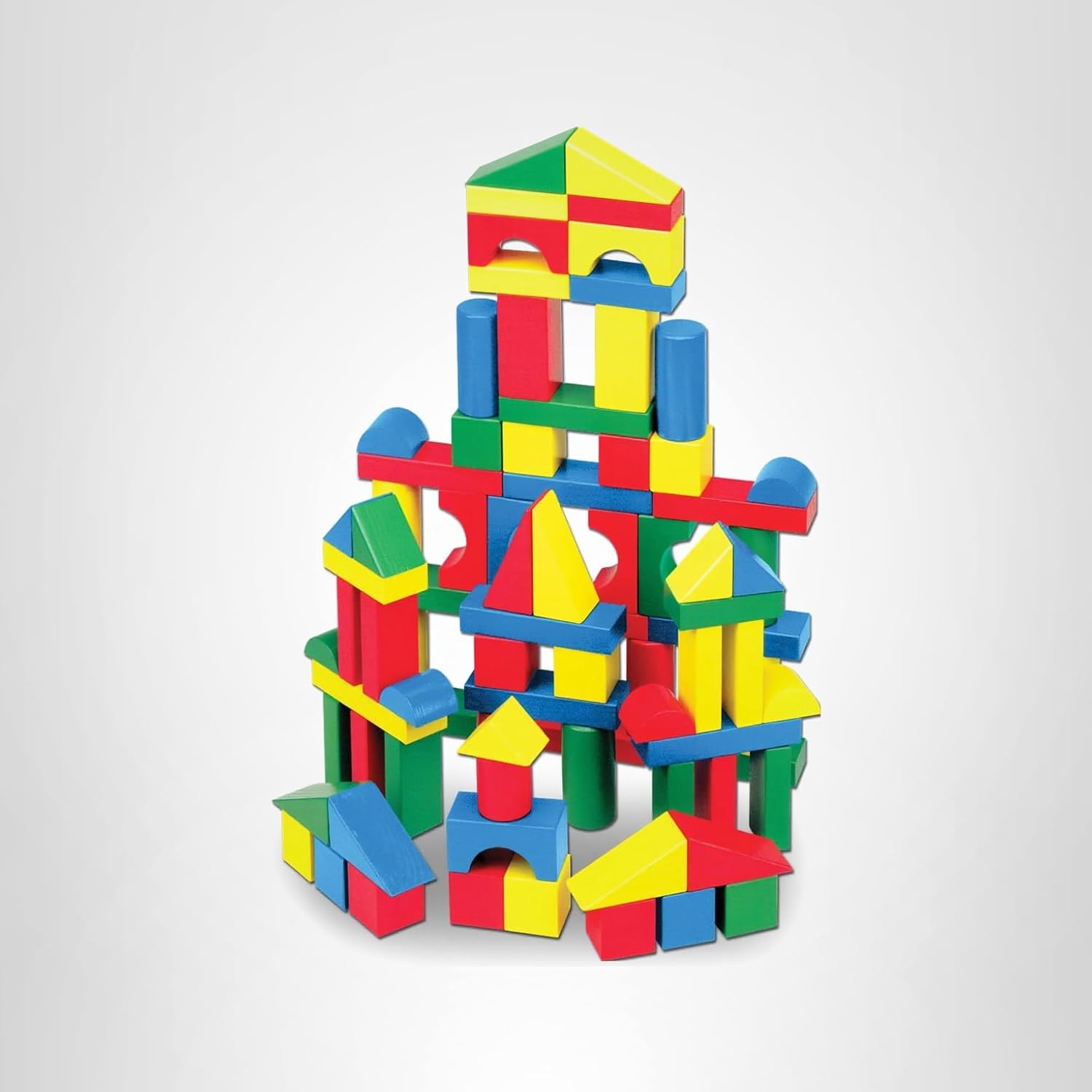
Classic wooden blocks are an ideal early-learning toy for encouraging focus, creativity, and hands-on problem solving. As toddlers and preschoolers stack, balance, sort, and build, they naturally practice fine motor skills, hand-eye coordination, shape recognition, and early math concepts like counting and comparing. Lightweight yet durable, colorful blocks invite open-ended play that supports imagination, persistence, and early engineering skills—making them a timeless choice for meaningful learning at home, in the classroom, or as a thoughtful gift.


Paint pouring is an exciting sensory art activity that lets kids mix, drip, and swirl colors to create stunning fluid-art designs—no complicated setup required. With ready-to-pour acrylic paints and a kid-friendly painting station, children can explore color mixing, creativity, and fine motor coordination with less mess and more fun. Step-by-step instructions make it easy for beginners and confident young artists to try techniques like flip-cup pours, galaxy effects, and drip-drop patterns, ensuring every creation is a surprising and magical work of art.


Loose parts are one of the best choices for open-ended play because kids can stack, sort, combine, and rearrange them in limitless ways—fueling imagination, focus, and creative problem-solving. These colorful wooden pieces invite children to explore patterns, build stories, and experiment with early math skills like counting and classifying, while also strengthening fine motor coordination and hand-eye control. Lightweight, durable, and perfect for home or classroom use, loose parts turn simple materials into rich sensory learning.


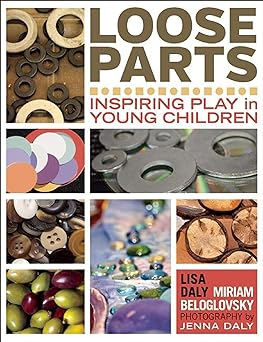
This award-winning book introduces the concept of loose part art—simple, everyday materials that children can freely move, arrange, and transform to express creativity. Through hundreds of real-world photos and practical guidance, it shows how loose parts spark curiosity, inspire imagination, and support learning across early childhood. Educators and caregivers learn how to use open-ended materials to enrich play, build problem-solving skills, and empower children to explore endless creative possibilities.


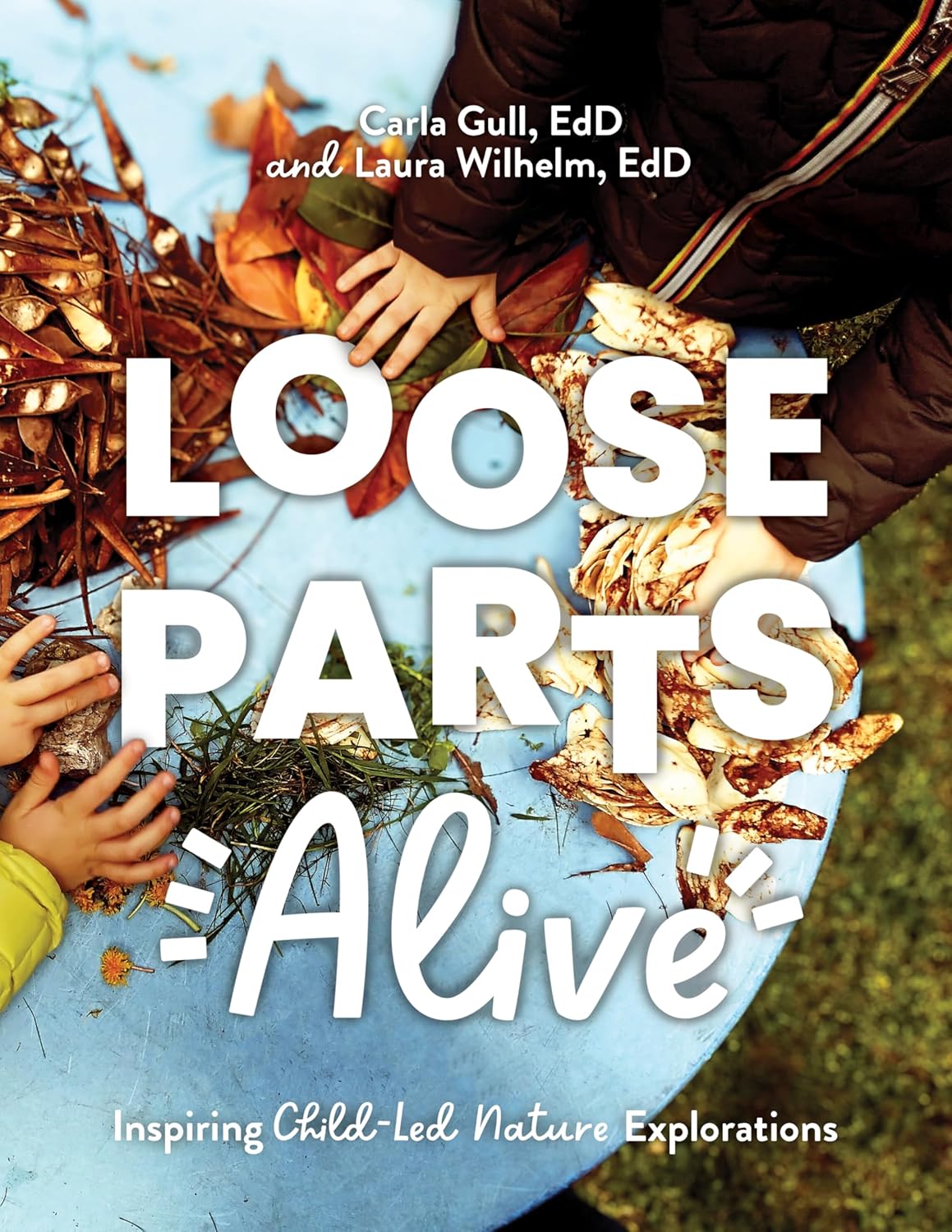
Loose Parts Alive shows how plants, animals, natural materials—and even children’s own bodies—can become powerful “living loose parts” that spark curiosity, creativity, and hands-on learning. Rooted in Reggio Emilia, Montessori, and developmentally appropriate practice, this guide helps caregivers and educators confidently weave nature into open-ended play, encouraging critical thinking, exploration, and joyful discovery. With real examples, practical tips, and inspiring photos, it invites you to transform any space into a place where learning grows naturally.


Watch your little builder's imagination come to life with the Creative Construction Measure and Cut Set. This hands-on workshop toy brings the excitement of real construction right to your home, giving kids the tools they need to feel like genuine craftspeople.

Joy Builds the Brain: How Positive Emotion Fuels Early Learning


Research & Attribution: Content is independently created by Early Learning Made Easy and informed by evidence-based research (Seligman, Csikszentmihalyi, AAP, USDA). Not affiliated with or endorsed by any external institution or author.

✨ You’re Doing Amazing — Let’s Make Learning Simple ✨

Subscribe to my blog for instant access to today’s Featured Freebie — plus weekly printables, early learning tips, and new resource alerts.

✉️ Subscribe for Instant Access


Want unlimited access to every premium resource and future freebie — forever?

⭐ Become a Premium Member

(One-time purchase. Lifetime access.)

🛍️ Shop All Resources

Already a member? Request your freebie here

No spam — just real tools that make early learning simple, joyful, and evidence-based.

About Early Learning Made Easy:
Created by Ms. Vanessa, CDA-certified Early Childhood Educator. This blog provides simple, joyful, evidence-informed learning activities for families and caregivers.

Affiliate & Research Disclosure:
This site may include Amazon affiliate links. As an Amazon Associate, I earn from qualifying purchases at no additional cost to you. Content is independently created and informed by evidence-based research.

© Early Learning Made Easy — All Rights Reserved.

Inclusive Thanksgiving: Celebrating Gratitude Without the Pilgrim Story

Early Learning Made Easy · Making Early Learning Simple, Joyful, and Evidence-Based

Inclusive Thanksgiving: Celebrating Gratitude Without the Pilgrim Story

By Ms. Vanessa · Early Learning Made Easy

Affiliate Disclosure: This article contains Amazon affiliate links. As an Amazon Associate, I earn from qualifying purchases—at no extra cost to you. I only recommend items that align with early childhood best practices.

Free today for subscribers: Get the printable “Gratitude Circle” group activity guide delivered to your inbox. Not subscribed yet? Click here to subscribe for free (today only for this resource).

Premium Members enjoy instant, unlimited access to all ELME articles & resources free in the Gumroad library.

Why an Inclusive Approach Matters

Many preschool Thanksgiving traditions rely on simplified stories about Pilgrims and Native Peoples that can unintentionally reinforce stereotypes. We can keep the heart of the season—gratitude, generosity, and community—without costumes or myths. A harvest-themed approach honors all children and families while staying developmentally appropriate and culturally respectful.

Research-Informed Foundations

Programs thrive when classrooms are culturally responsive, emphasize belonging, and center social–emotional learning. Gratitude practices strengthen children’s sense of connection, empathy, and well-being—and inclusive language models respect for diverse family traditions.

Do This / Avoid This

  • Do focus on universal themes: gratitude, sharing, family meals, fall harvest, and helping others.
  • Do use classroom-safe language: “fall celebration,” “gratitude circle,” “sharing feast,” “harvest tasting.”
  • Do invite family voices with prompts like, “In our home, we say thank you by…,” without requiring a specific holiday story.
  • Do check food safety and inclusion (allergies, cultural dietary needs) and provide opt-ins for sensory needs.
  • Avoid costumes or crafts that imitate cultural regalia.
  • Avoid reenactments of historical events or simplified “Pilgrim and Indian” narratives.
  • Avoid asking one child to “represent” a culture or implying one “right” way to celebrate.

Classroom-Safe Language Swaps

  • “Pilgrim feast” → “classroom harvest celebration”
  • “Indian headdress craft” → “leaf crown” or “autumn headband”
  • “First Thanksgiving story” → “Noticing our harvest: colors, smells, tastes, and thanks”
  • “What Pilgrims ate” → “What foods do we enjoy with our families?”

Inclusive, Harvest-Themed Activity Ideas (Ages 2–5)

  • Color Hunt: find items in harvest colors (red, orange, yellow, brown, green).
  • Gratitude Collage: glue pictures of people/places you love (family photos optional).
  • Harvest Tasting: sample safe foods like apple slices or roasted pumpkin seeds (check allergies).
  • Kindness Kitchen: pretend-play with recipe cards about sharing and helping.
  • Thank-You Postcards: draw/dictate a note to a helper (custodian, bus driver, lunch staff).
  • Music & Movement: “fall breeze” scarf dancing; “crunchy leaves” stomping game.

Helpful Books & Tools

Want the printable “Gratitude Circle” guide? It’s included with today’s subscriber email. Subscribe free here. Prefer to own a copy without subscribing? Purchase the Article + Guide on Gumroad. Premium Members already have instant access to everything: Join Premium.


Related Post: Gratitude Grows, Teaching Thankfulness in Early Childhood


Subscribe Free · Shop the Gumroad Store · Premium Membership

✨ You’re Doing Amazing — Let’s Make Learning Simple ✨

Subscribe to my blog for instant access to today’s Featured Freebie — plus weekly printables, early learning tips, and new resource alerts.

✉️ Subscribe for Instant Access


Want unlimited access to every premium resource and future freebie — forever?

⭐ Become a Premium Member

(One-time purchase. Lifetime access.)

🛍️ Shop All Resources

Already a member? Request your freebie here

No spam — just real tools that make early learning simple, joyful, and evidence-based.

About Early Learning Made Easy:
Created by Ms. Vanessa, CDA-certified Early Childhood Educator. This blog provides simple, joyful, evidence-informed learning activities for families and caregivers.

Affiliate & Research Disclosure:
This site may include Amazon affiliate links. As an Amazon Associate, I earn from qualifying purchases at no additional cost to you. Content is independently created and informed by evidence-based research.

© Early Learning Made Easy — All Rights Reserved.
Thursday, November 6, 2025

How to Build Early Reading Skills at Home (Birth to Age 5) | Daily Literacy Habits Checklist

Preventing Reading Problems Starts in the First Five Years

What parents and caregivers can do now to set children up for later reading success

Across the country, schools are working to improve reading instruction. One clear lesson from research: sound-only drills (phonemic awareness without letters) aren’t enough to build readers. Children learn best when sounds, letters, and meaningful print are connected—long before kindergarten.

Good news: you don’t need worksheets or a curriculum to build these skills at home. You need language-rich, print-connected, joyful experiences—from birth to age five.


1) Talk (A Lot) From Day One

  • Narrate daily life: “Now we wash hands—swish, swish!”
  • Use rich vocabulary and respond to babbles; conversations wire the brain for language.
  • Turn-taking with sounds and words teaches kids that communication has power.

2) Read Aloud Every Day—Read With Them

  • Babies: board books to touch and mouth; point and name pictures.
  • Toddlers: ask, “What do you see?”; let them turn pages; build routines.
  • Preschoolers: predict, retell, and finish simple refrains (“…what do you see?”).

It’s the interaction, not finishing the book, that grows readers.

3) Connect Sounds to Letters in Real Life

Make casual, meaningful links: “M says /mmm/—M is for mommy.” Point to letters on signs, cereal boxes, and labels. When they hear a sound, show the matching letter.

4) Build Phonemic Awareness Through Play (No Worksheets Needed)

  • “Find something that starts with /b/.”
  • “Say sun without /s/.” (That’s a silly un!)
  • Clap syllables in family names; play with rhymes at bath time.

5) Let Them See Themselves as Writers

Keep crayons and paper accessible. Celebrate scribbles, letter-like shapes, and invented spelling (“DOG” might be “DG”—that’s great!). Writing strengthens the same pathways they’ll use to read.

6) Don’t Rush “Early Reading”—Build Love, Knowledge, and Comprehension

Focus on vocabulary, background knowledge, and story sense. A child who loves books will read; a child drilled on flashcards may learn to hate it.


A Simple Daily Rhythm

  • Talk during routines (meals, bath, walks)
  • Read 10–20 minutes (anytime works!)
  • Play with sounds (rhyme, first sounds)
  • Spot letters in the world (signs, labels)
  • Write & draw (lists, labels, cards)

Helpful Books & Tools 

These are parent favorites for joyful, science-aligned early literacy. (Amazon affiliate links.)


Disclosure: As an Amazon Associate I earn from qualifying purchases.

Free Family Resource

Grab my one-page checklist: “Early Reading Starts at Home: Daily Habits.”

Subscribe free to get it by email (plus new early-learning printables each week).


Evidence note: Decades of research support integrating phonemic awareness with letters and print and building rich oral language, background knowledge, and purposeful reading/writing in the early years. This article translates those ideas into simple family routines.

Early Learning Made Easy — Making Early Learning Simple, Joyful, and Evidence-Based.

Disclaimer: Content is independently created and informed by evidence-based research; ELME is not affiliated with or endorsed by any external institution or author. All Rights Reserved.

✨ You’re Doing Amazing — Let’s Make Learning Simple ✨

Subscribe to my blog for instant access to today’s Featured Freebie — plus weekly printables, early learning tips, and new resource alerts.

✉️ Subscribe for Instant Access


Want unlimited access to every premium resource and future freebie — forever?

⭐ Become a Premium Member

(One-time purchase. Lifetime access.)

🛍️ Shop All Resources

Already a member? Request your freebie here

No spam — just real tools that make early learning simple, joyful, and evidence-based.

About Early Learning Made Easy:
Created by Ms. Vanessa, CDA-certified Early Childhood Educator. This blog provides simple, joyful, evidence-informed learning activities for families and caregivers.

Affiliate & Research Disclosure:
This site may include Amazon affiliate links. As an Amazon Associate, I earn from qualifying purchases at no additional cost to you. Content is independently created and informed by evidence-based research.

© Early Learning Made Easy — All Rights Reserved.

New to ELME? Start Here...

Early Childhood Education Standards Explained: What Parents Need to Know

Early learning standards are best met through play, relationships, and everyday moments. E A R L Y ...