Search This Blog

Early Learning Made Easy

Showing posts with label Secure Attachment. Show all posts

Monday, December 15, 2025

Beyond Biology: Why Children Need More Than Just Their Parents to Thrive

Grandparent and toddler sitting together outdoors, representing supportive caregiving relationships
Supportive relationships can come from more than one caring adult.
E A R L Y   L E A R N I N G   M A D E   E A S Y
Beyond Biology: Why Children Need More Than Just Their Parents to Thrive
By Ms. Vanessa — Early Learning Made Easy
Making Early Learning Simple, Joyful, and Evidence-Based
Affiliate Disclosure: This post may contain Amazon affiliate links. If you purchase through these links, I may earn a small commission at no extra cost to you. Thank you for supporting Early Learning Made Easy.

The Science of Multiple Attachments

Psychologist John Bowlby emphasized that human infants are biologically programmed to seek comfort and protection from caregivers who respond to their needs. Children can form secure attachments with several familiar adults, provided those adults are consistently sensitive and responsive. Mary Ainsworth’s classic “Strange Situation” studies showed that children may use more than one trusted adult as a secure base—strengthening confidence and adaptation.


Why This Matters for Families

Allowing your child to bond with grandparents, family friends, or long-term caregivers doesn’t diminish your role—it enriches their emotional world. When infants spend time with multiple loving adults who meet their needs, they learn that comfort and safety are available from many places.

Free printable: Growing in Security - The Lifelong Value of Positive Attachment to Caregivers
Free today: Tap the image to request your printable caregiver resource.

Request the Free Printable

Child Care and the Continuity of Care Challenge

A stable, responsive caregiver in child care can become an important attachment figure, but high staff turnover can interrupt these relationships. To protect stability, ask about primary caregiving systems, how they handle transitions, and how families and staff communicate. Small routines—consistent goodbyes, familiar comfort objects, and a warm handoff—make a big difference.

Screen-Free Family Game (Ages 2–6)

Count & Match by Color & Shape is a playful, quick-prep learning game that builds early math skills and strengthens family connection—without screens, apps, or complicated setup.

  • Counting & 1:1 correspondence
  • Color & shape recognition
  • Fine motor control
  • Turn-taking & cooperation
  • Focus, patience & confidence
  • Kindergarten readiness through joyful play

Get the Game on Gumroad

The Lifelong Benefits of Nurturing Every Bond

Children who experience multiple secure attachments often develop stronger emotional regulation, empathy, and confidence exploring new environments. Think of it as an “emotional village”—a network that supports well-being long after infancy.

A Message for Parents and Caregivers

If your child forms a deep bond with another family member or caregiver, celebrate it. These relationships do not compete with yours—they complement it. You are giving your child one of life’s greatest gifts: a wider circle of love and belonging.

Member perk: Become a member for access to a printable version of this article and other exclusive early learning resources!

Helpful Books & Tools for Supporting Secure Attachments

Related Reads on Early Learning Made Easy


Research & Attribution: Content is independently created by Early Learning Made Easy and informed by evidence-based research and reputable organizations (e.g., Bowlby, Ainsworth, AAP, USDA). Not affiliated with or endorsed by any external institution or author.
Early Learning Made Easy — Making Early Learning Simple, Joyful, and Evidence-Based.
© 2025 Early Learning Made Easy | Written by Ms. Vanessa | All Rights Reserved.


✨ You’re Doing Amazing — Let’s Make Learning Simple ✨

Subscribe to my blog for instant access to today’s Featured Freebie — plus weekly printables, early learning tips, and new resource alerts.

✉️ Subscribe for Instant Access


Want unlimited access to every premium resource and future freebie — forever?

⭐ Become a Premium Member

(One-time purchase. Lifetime access.)

🛍️ Shop All Resources

Already a member? Request your freebie here

No spam — just real tools that make early learning simple, joyful, and evidence-based.

About Early Learning Made Easy:
Created by Ms. Vanessa, CDA-certified Early Childhood Educator. This blog provides simple, joyful, evidence-informed learning activities for families and caregivers.

Affiliate & Research Disclosure:
This site may include Amazon affiliate links. As an Amazon Associate, I earn from qualifying purchases at no additional cost to you. Content is independently created and informed by evidence-based research.

© Early Learning Made Easy — All Rights Reserved.

Tuesday, December 2, 2025

Secure Attachment in Early Childhood: Why Caregiver Bonding Matters (Birth–5)

Growing in Security: The Lifelong Value of Positive Attachment to Caregivers

Early Learning Made Easy Birth–5

Affiliate Disclosure: This post contains Amazon affiliate links. If you purchase through these links, I may earn a small commission at no extra cost to you.

Introduction

From the moment a child is born, the relationships they form with caregivers shape their emotional, social, and even neurological development. These early attachment bonds are the foundation for resilience and coping in the face of life’s challenges. In this article, we explore why positive attachment matters from birth through age five, highlight the long-term benefits for well-being, discuss what to avoid, and offer actionable solutions to help families strengthen these vital bonds.

The Science of Attachment

John Bowlby first proposed that humans are biologically driven to form attachments as a survival mechanism—the caregiver acts as a secure base from which the child explores the world. Later, Mary Ainsworth identified secure and insecure attachment patterns through the Strange Situation experiments (Ainsworth, 1978). Infants develop an internal working model based on repeated experiences: whether others can be trusted, whether they are worthy of care, and how relationships function (Bowlby, 1988). These early models influence emotion regulation, coping, and relationships throughout life (Frontiers in Psychology, 2023). Responsive caregiving—promptly meeting the infant’s emotional and physical needs—is crucial for forming secure attachment (ScienceDirect, 2019). When caregivers are inconsistent, intrusive, or emotionally unavailable, children may develop insecure or disorganized attachment patterns (PMC, 2009).

Advertisement

Attachment Across Early Childhood (0–5)

  • Birth–6 months: Builds trust and early stress regulation through consistent care.
  • 6–12 months: Learns that comfort and safety are predictable.
  • 1–2 years: Strengthens confidence and autonomy; avoid overnight separations and frequent disruptions (University of Virginia, 2013).
  • 2–3 years: Secure base supports emotional regulation; avoid caregiver instability or environmental chaos (PMC, 2015).
  • 3–5 years: Builds empathy, cooperation, and self-regulation; minimize family conflict, frequent moves, or caregiver turnover.

As children move through these stages, their social and emotional growth is closely linked with language, motor, and self-help skills. If you are thinking ahead to school, you may enjoy my Kindergarten Readiness Guide, which looks at what helps children feel confident and prepared for that big transition. For an age-by-age overview of typical skills from birth through age five, you can also explore my Developmental Milestones page.

Caregiver gently holding a sleeping baby against their shoulder, showing a warm and nurturing moment that represents secure attachment and emotional safety

Long-Term Benefits of Secure Attachment

  • Resilience and coping: Securely attached children regulate emotions more effectively and recover more easily from stress (Masten, 2001).
  • Healthy relationships: Predicts stronger adult relationships and trust (Frontiers in Psychology, 2023).
  • Mental health protection: Secure bonds buffer anxiety and depression (PMC, 2009; ScienceDirect, 2024).
  • Neural development: Strengthens neural pathways for stress regulation and empathy (PMC, 2017).

What to Avoid

  • Frequent moves (MacArthur Foundation, 2010)
  • Unstable caregiving (PMC, 2015)
  • Frequent overnight separations, especially in the toddler period (University of Virginia, 2013)
  • Environmental chaos (ERIC, 2020)
  • Overreliance on substitute attachments

Do This Instead

  • Prioritize stability and routine
  • Build emotional availability through responsive caregiving
  • Coordinate across caregivers for consistency
  • Support exploration from a secure base
  • Repair relationship ruptures quickly
  • Seek support if needed (Tandfonline, 2018)

Advertisement


Reading Picks

Patterns of Attachment by Mary Ainsworth cover

Patterns of Attachment (Ainsworth)

Classic research behind secure vs. insecure patterns and the Strange Situation.

View on Amazon
A Secure Base by John Bowlby cover

A Secure Base (Bowlby)

Foundational theory on why caregivers are a child’s secure base for exploration.

View on Amazon
Ordinary Magic by Ann Masten cover

Ordinary Magic (Masten)

Resilience science—what helps kids bounce back and thrive.

View on Amazon
The Power of Showing Up cover

The Power of Showing Up

Everyday attachment practices parents can actually do.

View on Amazon

Caregiver Tools

Ergonomic baby carrier

Ergonomic Baby Carrier

Supports responsive caregiving and co-regulation on the go.

View on Amazon
White noise machine

White Noise Machine

Helps create predictable sleep cues and routines.

View on Amazon
High-contrast board books

High-Contrast Board Books

For shared attention, language, and caregiver-child connection.

View on Amazon
Sleep sack or swaddle

Sleep Sack / Swaddle

Supports soothing routines and safe sleep guidelines.

View on Amazon
Montessori-style toys for toddlers

Montessori-Style Toys (0–3)

Encourage exploration from a secure base with simple, graspable materials.

View on Amazon

As an Amazon Associate I earn from qualifying purchases. Links are rel="sponsored nofollow".

Conclusion

Secure attachment is not just about bonding—it is a blueprint for emotional health, resilience, and lifelong relationships. From birth to age five, children need consistent, predictable care to feel safe exploring their world. While disruptions are sometimes unavoidable, intentional stability, emotional attunement, and repair can safeguard a child’s social and emotional growth.

References

  • Ainsworth, M. D. S. (1978). Patterns of Attachment.
  • Bowlby, J. (1988). A Secure Base: Parent-Child Attachment and Healthy Human Development.
  • Masten, A. S. (2001). Ordinary Magic: Resilience Processes in Development.
  • University of Virginia (2013). Overnights Away From Home Affect Children’s Attachments.
  • MacArthur Foundation (2010). Is Moving During Childhood Harmful?
  • ERIC (2020). Environmental chaos and child development.
  • Frontiers in Psychology (2023). Attachment and Resilience.
  • ScienceDirect (2019, 2024). Attachment studies.
  • PMC Studies (2009–2017). Attachment and Neural Development.
  • Tandfonline (2018). Caregiver support and attachment.

If you’d like to keep exploring how consistent, nurturing care shapes children’s well-being, you might also enjoy my related article, The Power of Connection: Why Consistent Caregivers Matter.

Note for caregivers & educators: Content is independently created and informed by evidence-based research (e.g., AAP, USDA, Seligman) but not affiliated with or endorsed by any institution or author.

✨ You’re Doing Amazing — Let’s Make Learning Simple ✨

Subscribe to my blog for instant access to today’s Featured Freebie — plus weekly printables, early learning tips, and new resource alerts.

✉️ Subscribe for Instant Access


Want unlimited access to every premium resource and future freebie — forever?

⭐ Become a Premium Member

(One-time purchase. Lifetime access.)

🛍️ Shop All Resources

Already a member? Request your freebie here

No spam — just real tools that make early learning simple, joyful, and evidence-based.

About Early Learning Made Easy:
Created by Ms. Vanessa, CDA-certified Early Childhood Educator. This blog provides simple, joyful, evidence-informed learning activities for families and caregivers.

Affiliate & Research Disclosure:
This site may include Amazon affiliate links. As an Amazon Associate, I earn from qualifying purchases at no additional cost to you. Content is independently created and informed by evidence-based research.

© Early Learning Made Easy — All Rights Reserved.

Friday, November 7, 2025

Family Traditions That Strengthen Connection and Belonging

Early Learning Made Easy · Making Early Learning Simple, Joyful, and Evidence-Based

Family Traditions That Build Connection

By Ms. Vanessa · Early Learning Made Easy

Affiliate Disclosure: This article contains Amazon affiliate links. As an Amazon Associate, I earn from qualifying purchases—at no extra cost to you. I only recommend items I believe align with child development best practices.

Free today for subscribers: Get the full article plus the printable “Our Family Traditions” worksheet delivered to your inbox. Not subscribed yet? Click here to subscribe for free (today only for this resource).

Premium Members enjoy instant, unlimited access to all ELME articles & resources free in the Gumroad library.

Why Traditions Matter

From bedtime stories to Sunday pancakes, the little moments we repeat become part of a child’s emotional foundation. Predictable family traditions—daily, weekly, or seasonal—send a powerful message: you belong here. Children thrive when life feels consistent. Rituals create rhythm and safety; kids know what to expect and can look forward to it, which eases anxiety and builds resilience.


What the Research Shows

Research in early attachment and family dynamics finds that routines and rituals strengthen bonds and support well-being. Pediatric guidance highlights that shared rituals—like family meals and bedtime routines—are linked with children’s sense of security and happiness. In positive psychology, Dr. Martin Seligman’s PERMA model places Relationships at the core of flourishing; predictable moments cultivate connection, shared meaning, and joy.


Everyday Traditions That Strengthen Connection

  • Morning Connection: A special goodbye phrase or hug before leaving for the day.
  • Family Mealtime: Everyone shares one thing they’re thankful for or proud of.
  • Storytime Ritual: Read the same book each night or rotate who chooses.
  • Seasonal Moments: Bake a favorite treat, make decorations, or take a family nature walk.
  • Celebration Touchstones: Light a candle on birthdays, write gratitude notes in November, plant something new every spring.

Why Predictability Builds Security

Predictable traditions tell children, “Our family shows up for each other.” That steadiness supports emotional regulation, empathy, and trust—skills that help with friendships, school, and life transitions. Even when the world feels unpredictable, rituals anchor children to love and belonging.

Helpful Books & Tools (text-only links)

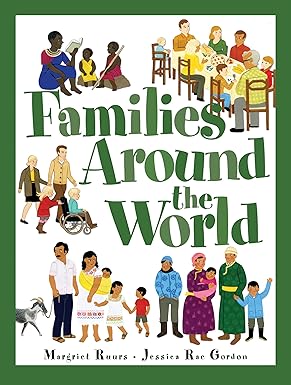
This is a wonderful, uplifting global studies title perfect for exploring cultures and geography. It would also be useful for a social studies unit on families and family relationships. Adding to its value as a teaching tool are suggestions for lesson plans built around the book, as well as a glossary and pronunciation guide for foreign words.


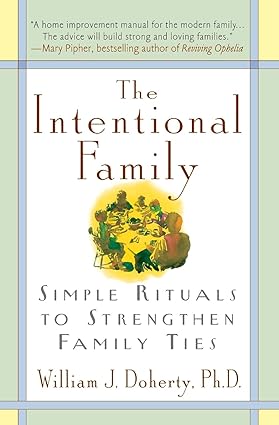
The Intentional Family -- a practical guide to avoiding conflicts and promoting understanding -- offers a myriad of simple yet effective methods for opening regular channels of communication between parents and their children, husbands and wives: from shared family meals and vacations, to regular "storytime," weekly drives, religious services, and monthly "spouse only" romantic dinners. Clearly presented and engagingly written, here are proven and indispensable strategies for reviving a lost sense of family -- useful guidelines that will help us make the most of our most important relationships.


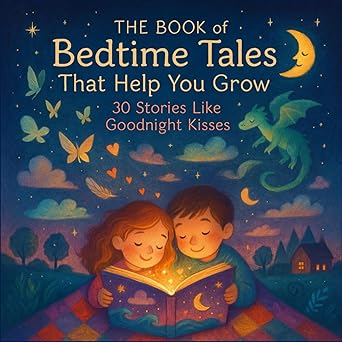
If you’re searching for more than just a bedtime book—
If you want a keepsake, a shared ritual, a quiet hug before sleep...
This is the one.


This journal makes practicing gratitude fun, creative, and age-appropriate—while building a daily habit of noticing life’s little joys.

Perfect as:

  • A meaningful gift for toddlers and preschoolers
  • A creative activity for home, classrooms, or therapy
  • A year-round tool to encourage kindness and positivity


Help your child start a lifelong habit of gratitude—one coloring page at a time!


Engage the kids for hours with these great questions for young, curious minds. Although designed for young children, mom and dad will love them too. The travel-sized slipcase makes it easy to toss in the glove box or backpack—use them on the way to soccer practice, when you’re dining out, whenever!


Want the printable “Our Family Traditions” worksheet? It’s included with today’s subscriber email. Subscribe free here. Prefer to own a copy without subscribing? Purchase the Article + Worksheet on Gumroad. Premium Members already have instant access to everything: Join Premium.

✨ You’re Doing Amazing — Let’s Make Learning Simple ✨

Subscribe to my blog for instant access to today’s Featured Freebie — plus weekly printables, early learning tips, and new resource alerts.

✉️ Subscribe for Instant Access


Want unlimited access to every premium resource and future freebie — forever?

⭐ Become a Premium Member

(One-time purchase. Lifetime access.)

🛍️ Shop All Resources

Already a member? Request your freebie here

No spam — just real tools that make early learning simple, joyful, and evidence-based.

About Early Learning Made Easy:
Created by Ms. Vanessa, Early Childhood Educator. This blog provides simple, joyful, evidence-informed learning activities for families and caregivers.

Affiliate & Research Disclosure:
This site may include Amazon affiliate links. As an Amazon Associate, I earn from qualifying purchases at no additional cost to you. Content is independently created and informed by evidence-based research.

  1. © Early Learning Made Easy — All Rights Reserved.

Thursday, October 9, 2025

The Power of Connection: Why Consistent Interaction Matters from Birth to Age Five by Ms. Vanessa — Early Learning Made Easy


The Power of Connection: Why Consistent Interaction Matters from Birth to Age Five

by Ms. Vanessa — Early Learning Made Easy

Why Everyday Interactions Matter

From the moment a baby is born, their brain is building millions of connections every second — connections that depend on the quality of their interactions with caregivers. Talking, playing, reading, singing, smiling, and responding to your child’s cues are not just “nice extras.” These moments are essential ingredients in how children learn to communicate, think, trust, and regulate emotions.

Children who experience consistent, loving interaction learn that the world is a safe place and that their needs will be met. In contrast, children who receive limited or inconsistent interaction can face delays in language, social-emotional development, and even long-term stress responses.

Let’s look at how this plays out at each stage — and what it looks like in real life.


 Infants (Birth–12 months): Building Trust Through Responsiveness


What they need: Frequent, predictable interaction and comfort.
Why it matters: A baby’s first relationships shape their sense of safety and security — the foundation for all future learning.

Real life examples:

  • When a baby cries and a caregiver gently picks them up, speaks softly, and meets their need, the baby learns that their voice matters and that adults are dependable.

  • Talking during diaper changes (“Here are your tiny toes!”), making eye contact during feedings, and singing lullabies all strengthen attachment and language pathways.


Risk of too little interaction:
Infants who experience minimal face-to-face engagement or inconsistent caregiving may struggle to self-soothe, show flat affect (limited emotional expression), or later develop delays in social and communication skills. The brain needs consistent, loving feedback to wire emotional and language circuits effectively.


 Toddlers (1–3 years): Learning Through Shared Experiences

What they need: Interaction that encourages exploration and naming the world around them.
Why it matters: Toddlers learn language, problem-solving, and emotional regulation through imitation and feedback from caregivers.


Real life examples:

  • When a toddler points at a bird and the caregiver responds, “Yes, that’s a bird! Look at its wings!” they’re not just labeling — they’re teaching conversation turn-taking and joint attention.

  • During daily routines, letting toddlers “help” with simple tasks (“Can you put the spoon on the table?”) builds confidence and vocabulary.

Risk of too little interaction:
Toddlers who are frequently left to “play alone” without guidance or conversation can miss key opportunities to practice speech, develop empathy, and learn limits. Over time, this may result in language delays, behavioral frustration, or difficulty forming secure relationships.


 Preschoolers (3–5 years): Growing Minds Need Meaningful Conversation

What they need: Consistent engagement, back-and-forth dialogue, and shared problem-solving.
Why it matters: Preschoolers’ social and cognitive skills expand rapidly through imaginative play and adult modeling.

Real life examples:

  • Asking open-ended questions (“What do you think will happen if we mix these colors?”) encourages curiosity and reasoning.

  • Reading together and discussing stories helps children learn empathy and emotional vocabulary.

  • Routine family activities — from cooking to bedtime chats — give preschoolers space to express feelings and practice listening.

Risk of too little interaction:
Children with limited caregiver interaction may show delayed language comprehension, poor emotional control, and reduced readiness for school. Inconsistent attention can also affect self-esteem and cause children to seek attention through challenging behaviors.


 The Long-Term Impact of Consistent Care

The quantity and quality of interaction matter. Consistency builds trust, and trust builds the foundation for every developmental milestone that follows. Every diaper change, storytime, or shared giggle is a chance to wire the brain for learning, empathy, and resilience.

Even ten intentional minutes of focused, one-on-one interaction several times a day can make a lasting difference.


Final Thoughts

Caregivers don’t need fancy toys or degrees in child psychology — they just need to be present, responsive, and loving. The best gift you can give a child is your attention.


Join Early Learning Made Easy for free printable resources, caregiver guides, and evidence-based tools to support your child’s growth and connection.


Research & Attribution Disclaimer:
This content is independently created by Early Learning Made Easy and informed by evidence-based research from trusted sources and child development experts. It is not affiliated with or endorsed by any external institution.

New to ELME? Start Here...

Early Childhood Education Standards Explained: What Parents Need to Know

Early learning standards are best met through play, relationships, and everyday moments. E A R L Y ...