Search This Blog

Early Learning Made Easy

Showing posts with label Early Learning Made Easy. Show all posts

Saturday, November 15, 2025

Fall Sensory Play Ideas for Toddlers and Preschoolers


Affiliate Disclosure: This article contains Amazon affiliate links. As an Amazon Associate, I earn from qualifying purchases—at no extra cost to you. I only recommend items that align with early childhood best practices.

Free today for subscribers: Get the printable “Fall Sensory Exploration Guide” with this article delivered to your inbox. Not subscribed yet? Click here to subscribe for free (today only for this resource).

Why Sensory Experiences Matter

Before children can understand why we’re thankful, they first learn through what they can touch, smell, taste, see, and hear. Sensory play gives toddlers and preschoolers a way to explore the world using their whole body — and fall is the perfect time to engage all five senses.

From crunchy leaves to the sweet smell of pumpkin pie, each sensory experience helps children connect to the season in a joyful, hands-on way.

What the Research Shows

Multi-sensory learning supports brain development and strengthens the connections between neurons. Pediatric guidance encourages sensory-rich play for developing fine motor coordination and early literacy skills. Positive education models also emphasize active exploration as the foundation of curiosity and attention.

Explore the Five Senses of Fall

1) Touch: Crunchy, Soft, Smooth

Fill a sensory bin with acorns, pinecones, fabric leaves, or corn kernels. Encourage descriptive language: rough, bumpy, silky, smooth.

2) Smell: Scents of the Season

Introduce fall aromas like cinnamon sticks, cloves, apples, and pumpkin spice. Invite your child to compare favorites.

3) Sight: Warm Fall Colors

Go on a color walk! Collect items in shades of red, yellow, orange, and brown. Compare leaf colors and notice seasonal changes.

4) Sound: Nature’s Music

Listen for rustling leaves, birds, and crunching footsteps. Make a simple “autumn orchestra” with dried beans or rice in small shakers.

5) Taste: Thanksgiving Flavors

Prepare a small snack together — apples with cinnamon, roasted pumpkin seeds, or mashed sweet potatoes — and describe each flavor.

Why Sensory Play Supports Gratitude

When we slow down to notice the world with all five senses, we practice mindfulness — and mindfulness nurtures gratitude. Ask, “What’s your favorite fall smell?” or “Which leaf felt the most interesting?” Reflection turns sensory play into an early lesson in thankfulness.

Helpful Books & Tools


Want the printable Fall Sensory Exploration Guide? It’s included with today’s subscriber email. Subscribe free here. Prefer to own a copy without subscribing? Purchase the Article + Guide on Gumroad. Premium Members already have instant access to everything: Join Premium.


Related Article: Joy Builds the Brain, How Positive Emotion Fuels Early Learning

✨ You’re Doing Amazing — Let’s Make Learning Simple ✨

Subscribe to my blog for instant access to today’s Featured Freebie — plus weekly printables, early learning tips, and new resource alerts.

✉️ Subscribe for Instant Access


Want unlimited access to every premium resource and future freebie — forever?

⭐ Become a Premium Member

(One-time purchase. Lifetime access.)

🛍️ Shop All Resources

Already a member? Request your freebie here

No spam — just real tools that make early learning simple, joyful, and evidence-based.

About Early Learning Made Easy:
Created by Ms. Vanessa, CDA-certified Early Childhood Educator. This blog provides simple, joyful, evidence-informed learning activities for families and caregivers.

Affiliate & Research Disclosure:
This site may include Amazon affiliate links. As an Amazon Associate, I earn from qualifying purchases at no additional cost to you. Content is independently created and informed by evidence-based research.

© Early Learning Made Easy — All Rights Reserved.

Tuesday, November 11, 2025

15 Acts of Kindness for Toddlers and Preschoolers

Early Learning Made Easy · Making Early Learning Simple, Joyful, and Evidence-Based

Harvesting Kindness: Acts of Kindness Kids Can Do

By Ms. Vanessa · Early Learning Made Easy

Affiliate Disclosure: This article contains Amazon affiliate links. As an Amazon Associate, I earn from qualifying purchases—at no extra cost to you. I only recommend items that align with early childhood best practices.

Free today for subscribers: Get the printable “Kindness Bingo” with this article delivered to your inbox. Not subscribed yet? Click here to subscribe for free (today only for this resource).

Subscribe Free · Get Today’s Freebie Buy Article + Kindness Bingo Premium Member Access

Premium Members enjoy instant, unlimited access to all ELME articles & resources free in the Gumroad library.

Why Teaching Kindness Matters

Kindness isn’t just a nice idea — it’s a skill that grows stronger with practice. When young children are encouraged to help, share, and notice others’ feelings, they begin building the foundation for empathy and compassion. Even toddlers can show kindness through small gestures, and preschoolers are ready to take kindness to a new level through simple acts of service and giving.

What the Research Shows

Early social-emotional learning is linked to lifelong well-being. Pediatric guidance emphasizes that kindness and empathy are learned through repeated experiences and adult modeling. Research in positive psychology also finds that helping others boosts a child’s sense of purpose, belonging, and happiness.

15 Acts of Kindness for Toddlers & Preschoolers

  • Draw a happy picture for a friend or family member.
  • Help feed a pet or water a plant.
  • Wave hello to a neighbor.
  • Hold the door for someone.
  • Share a favorite toy or book.
  • Say “thank you” to helpers (teachers, delivery drivers, etc.).
  • Collect leaves or flowers to give as a gift.
  • Donate gently used clothes or toys with a caregiver’s help.
  • Help set the table for family meals.
  • Bake or prepare a simple snack to share.
  • Tell someone, “I like your smile.”
  • Pick up litter with an adult during a walk.
  • Make a card for a grandparent or caregiver.
  • Give a hug, high-five, or fist bump to a friend.
  • Say something kind about yourself in the mirror.

Make It Fun: Kindness Bingo

Turn kindness into a game! Our Kindness Bingo invites kids to complete simple acts of kindness at home, school, or in the community. When they complete five in a row (or the whole board), celebrate with praise, stickers, or a cozy “kindness snack.”

Helpful Books & Tools


A heartwarming, award-winning story that teaches children the joy of kindness and inclusion—complete with activity cards for real-world practice. Kindness Is My Superpower helps kids see that caring, apologizing, and helping others make them true everyday heroes. Perfect for bedtime or classroom read-alouds to show little ones how small acts of care can make a big difference in the world around them.


I Like to Be Kind follows Max, a curious boy who discovers how good it feels to help others—from rescuing lost puppies to lending a hand at home. Guided by his father’s example, Max learns that kindness doesn’t just make others smile—it fills your own heart with happiness. With cheerful rhymes, colorful illustrations, and relatable everyday moments, this story makes kindness easy for little ones to understand and practice. A perfect read-aloud for ages 3–8 to build empathy and social awareness.


Kindness Is What Makes Us Strong celebrates the many ways children can show care and connection—through a cheerful hello, a helping hand, or a friendly cheer. This joyful story follows little ones as they practice kindness in everyday places like the playground, lunchroom, and neighborhood. A gentle reminder that kindness builds friendship, confidence, and community. Designed as a sturdy board book, it’s perfectly sized and safe for even the youngest learners to explore and enjoy.


🎲 Pete the Cat Friendship Game helps kids practice social and emotional skills like sharing, kindness, and teamwork through fun, real-life scenarios. Players spin, draw cards, and use “Friendship Toolbox” tokens to solve problems and learn what it means to be a good friend. Designed for ages 4 and up, this engaging game builds empathy, turn-taking, and cooperation—perfect for family game night or classroom play. A fun, educational gift that makes learning friendship skills hands-on and joyful!


This colorful sticker reward chart can be used to reward any positive behavior in any setting, I recommend using it specifically as an "Acts of Kindness Tracker", giving children a star sticker to add to the chart any time you "catch them being kind". Stopping to point out to children that you noticed something kind they did for another person is a wonderful way of teaching social and emotional awareness. 

Want the printable Kindness Bingo? It’s included with today’s subscriber email. Subscribe free here. Prefer to own a copy without subscribing? Purchase the Article + Bingo on Gumroad. Premium Members already have instant access to everything: Join Premium.

Independently created by Early Learning Made Easy and informed by evidence-based research.Not affiliated with or endorsed by any external institution or author.

Early Learning Made Easy — Making Early Learning Simple, Joyful, and Evidence-Based.

Subscribe Free · Shop the Gumroad Store · Premium Membership

✨ You’re Doing Amazing — Let’s Make Learning Simple ✨

Subscribe to my blog for instant access to today’s Featured Freebie — plus weekly printables, early learning tips, and new resource alerts.

✉️ Subscribe for Instant Access


Want unlimited access to every premium resource and future freebie — forever?

⭐ Become a Premium Member

(One-time purchase. Lifetime access.)

🛍️ Shop All Resources

Already a member? Request your freebie here

No spam — just real tools that make early learning simple, joyful, and evidence-based.

About Early Learning Made Easy:
Created by Ms. Vanessa, CDA-certified Early Childhood Educator. This blog provides simple, joyful, evidence-informed learning activities for families and caregivers.

Affiliate & Research Disclosure:
This site may include Amazon affiliate links. As an Amazon Associate, I earn from qualifying purchases at no additional cost to you. Content is independently created and informed by evidence-based research.

© Early Learning Made Easy — All Rights Reserved.

Friday, November 7, 2025

Family Traditions That Strengthen Connection and Belonging

Early Learning Made Easy · Making Early Learning Simple, Joyful, and Evidence-Based

Family Traditions That Build Connection

By Ms. Vanessa · Early Learning Made Easy

Affiliate Disclosure: This article contains Amazon affiliate links. As an Amazon Associate, I earn from qualifying purchases—at no extra cost to you. I only recommend items I believe align with child development best practices.

Free today for subscribers: Get the full article plus the printable “Our Family Traditions” worksheet delivered to your inbox. Not subscribed yet? Click here to subscribe for free (today only for this resource).

Premium Members enjoy instant, unlimited access to all ELME articles & resources free in the Gumroad library.

Why Traditions Matter

From bedtime stories to Sunday pancakes, the little moments we repeat become part of a child’s emotional foundation. Predictable family traditions—daily, weekly, or seasonal—send a powerful message: you belong here. Children thrive when life feels consistent. Rituals create rhythm and safety; kids know what to expect and can look forward to it, which eases anxiety and builds resilience.


What the Research Shows

Research in early attachment and family dynamics finds that routines and rituals strengthen bonds and support well-being. Pediatric guidance highlights that shared rituals—like family meals and bedtime routines—are linked with children’s sense of security and happiness. In positive psychology, Dr. Martin Seligman’s PERMA model places Relationships at the core of flourishing; predictable moments cultivate connection, shared meaning, and joy.


Everyday Traditions That Strengthen Connection

  • Morning Connection: A special goodbye phrase or hug before leaving for the day.
  • Family Mealtime: Everyone shares one thing they’re thankful for or proud of.
  • Storytime Ritual: Read the same book each night or rotate who chooses.
  • Seasonal Moments: Bake a favorite treat, make decorations, or take a family nature walk.
  • Celebration Touchstones: Light a candle on birthdays, write gratitude notes in November, plant something new every spring.

Why Predictability Builds Security

Predictable traditions tell children, “Our family shows up for each other.” That steadiness supports emotional regulation, empathy, and trust—skills that help with friendships, school, and life transitions. Even when the world feels unpredictable, rituals anchor children to love and belonging.

Helpful Books & Tools (text-only links)

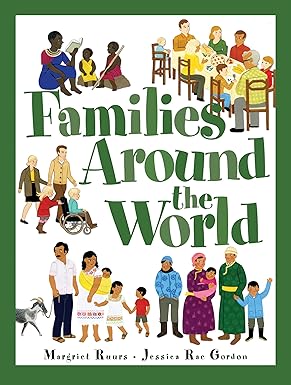
This is a wonderful, uplifting global studies title perfect for exploring cultures and geography. It would also be useful for a social studies unit on families and family relationships. Adding to its value as a teaching tool are suggestions for lesson plans built around the book, as well as a glossary and pronunciation guide for foreign words.


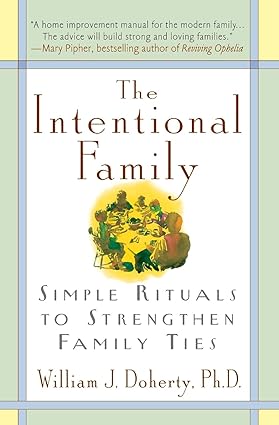
The Intentional Family -- a practical guide to avoiding conflicts and promoting understanding -- offers a myriad of simple yet effective methods for opening regular channels of communication between parents and their children, husbands and wives: from shared family meals and vacations, to regular "storytime," weekly drives, religious services, and monthly "spouse only" romantic dinners. Clearly presented and engagingly written, here are proven and indispensable strategies for reviving a lost sense of family -- useful guidelines that will help us make the most of our most important relationships.


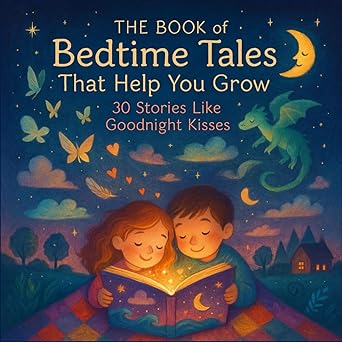
If you’re searching for more than just a bedtime book—
If you want a keepsake, a shared ritual, a quiet hug before sleep...
This is the one.


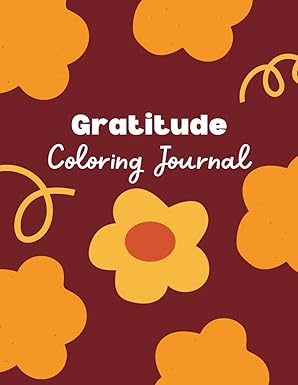
This journal makes practicing gratitude fun, creative, and age-appropriate—while building a daily habit of noticing life’s little joys.

Perfect as:

  • A meaningful gift for toddlers and preschoolers
  • A creative activity for home, classrooms, or therapy
  • A year-round tool to encourage kindness and positivity


Help your child start a lifelong habit of gratitude—one coloring page at a time!


Engage the kids for hours with these great questions for young, curious minds. Although designed for young children, mom and dad will love them too. The travel-sized slipcase makes it easy to toss in the glove box or backpack—use them on the way to soccer practice, when you’re dining out, whenever!


Want the printable “Our Family Traditions” worksheet? It’s included with today’s subscriber email. Subscribe free here. Prefer to own a copy without subscribing? Purchase the Article + Worksheet on Gumroad. Premium Members already have instant access to everything: Join Premium.

✨ You’re Doing Amazing — Let’s Make Learning Simple ✨

Subscribe to my blog for instant access to today’s Featured Freebie — plus weekly printables, early learning tips, and new resource alerts.

✉️ Subscribe for Instant Access


Want unlimited access to every premium resource and future freebie — forever?

⭐ Become a Premium Member

(One-time purchase. Lifetime access.)

🛍️ Shop All Resources

Already a member? Request your freebie here

No spam — just real tools that make early learning simple, joyful, and evidence-based.

About Early Learning Made Easy:
Created by Ms. Vanessa, Early Childhood Educator. This blog provides simple, joyful, evidence-informed learning activities for families and caregivers.

Affiliate & Research Disclosure:
This site may include Amazon affiliate links. As an Amazon Associate, I earn from qualifying purchases at no additional cost to you. Content is independently created and informed by evidence-based research.

  1. © Early Learning Made Easy — All Rights Reserved.

Thursday, October 30, 2025

Cozy Family Movie Night 🎬 | Wholesome Halloween Films for Kids of Every Age


E A R L Y   L E A R N I N G   M A D E   E A S Y
Making Early Learning Simple, Joyful, and Evidence-Based
Affiliate Disclosure: This post may contain affiliate links. As an Amazon Associate, Early Learning Made Easy earns from qualifying purchases at no extra cost to you.

Cozy Family Movie Night: The Best Age-Appropriate Halloween Films for Kids

Wholesome, Fun, and Age-Appropriate Movie Picks for Every Family
By Ms. Vanessa | Early Learning Made Easy

Quick Jump: Infants & Toddlers (0–3) • Preschoolers (3–5) • Early Elementary (5–8) • All Ages • Movie Night Tips • Reflection Journal

Family movie nights aren’t just entertainment — they’re moments of connection and comfort that help children process emotions, build imagination, and practice empathy. For younger children, the best Halloween movies aren’t the scary ones — they’re the fun, gentle, and heartwarming stories that mix laughter, courage, and kindness.

Infants & Toddlers (Ages 0–3)

Keep things visually engaging and emotionally calm. Babies and toddlers enjoy bright colors, music, and familiar characters.

Why it’s great: Gentle themes of curiosity, friendship, and comfort. Perfect for the youngest viewers.

Preschoolers (Ages 3–5)

Preschoolers love adventure and humor but can still be sensitive to suspense. Choose movies that balance silly and sweet with gentle lessons.

Why it’s great: Teaches empathy, courage, and cooperation through play and laughter.

Early Elementary (Ages 5–8)

At this stage, children can enjoy a touch of mystery or adventure — as long as it’s not too scary.

Why it’s great: Combines humor and problem-solving with family and friendship themes.

All Ages (Family Favorites)

Why it’s great: Wholesome messages about imagination, family, and kindness.

Tips for a Positive Family Movie Night

  1. Keep it cozy — dim lights, warm blankets, and snacks.
  2. Watch together — your presence helps kids feel secure.
  3. Talk after — ask, “What part made you laugh?” or “Who was kind in the story?”
  4. Extend the learning — make a simple craft or act out a favorite scene.

Final Thought

Halloween doesn’t have to be spooky to be special. Movies like Spookley the Square Pumpkin and Room on the Broom remind children that kindness, bravery, and friendship are the true treats of the season.

Caregiver / Parent Reflection Journal

How can I use family movie nights to build connection and conversation?

What emotions or themes stood out to my child during the movie?

How can I extend the learning after the movie through play or discussion?

Saturday, October 25, 2025

Inclusive Halloween Tradition: The Science and Joy of Pumpkin Seeds!


Affiliate disclosure: This post may contain affiliate links. If you buy through these links, I may earn a small commission at no extra cost to you. Thank you for supporting Early Learning Made Easy.

🎃 The Science (and Joy!) of Pumpkin Seeds: A Weekend-Before-Halloween Tradition

By Ms. Vanessa | Early Learning Made Easy — Making Early Learning Simple, Joyful, and Evidence-Based

There’s something magical about the weekend before Halloween — the air is crisp, pumpkins are everywhere, and kitchens fill with laughter, chatter, and a few sticky fingers. In my home, that’s pumpkin-seed time! This simple activity has become one of our favorite annual traditions, and it’s also packed with sensory, fine-motor, and early-science learning opportunities.

👋 Getting Little Hands Involved

If you have 3- to 5-year-olds in the house, invite them to help scoop out the pumpkin and separate the seeds from the gooey pulp. It’s a fantastic fine-motor and sensory experience — slimy, slippery, and full of giggles! The textures are irresistible, the progress is satisfying, and the memories (and photos!) are priceless.

Pumpkin carving kit — Option 1

Helpful tool for grown-ups: Pumpkin carving kits make supervised carving smoother and safer.

Carving Kit Option 1 | Carving Kit Option 2

💧 The Nutritional Science Behind Soaking

After cleaning, I soak the seeds in lightly salted water for about 12 hours. This extra step does more than enhance flavor — it may increase the bioavailability of nutrients, which means the body can absorb more of the minerals and vitamins found in pumpkin seeds. After soaking, spread the seeds in a single layer on a baking sheet lined with paper towels or wax paper and let them dry completely.

Sources: National Library of Medicine review and a Times of India health feature.

🧂 Time to Season and Experiment

Toss the dried seeds in a little oil and choose your seasonings. We make several batches each year so everyone can experiment and vote for their favorite:

  • Classic salted — simple, crunchy, and satisfying.
  • Sweet blends — cinnamon-sugar, honey, maple syrup, or molasses.
  • Savory twists — Ranch-style seasoning packets or premixed spice blends.
  • Teen-approved innovation — the seasoning packet from a chicken-flavored ramen pack (trust us!).

🔥 Three Fun Ways to Cook Pumpkin Seeds

  1. Dehydrator — spread in a thin layer and dry until crisp.
  2. Air Fryer — cook in a single layer at 350°F (175°C) for about 15 minutes.
  3. Traditional Oven — bake at 350°F for about 20 minutes, stirring halfway through.
Food dehydrator for crispy pumpkin seeds

Crispy tip: A dehydrator makes delightfully crunchy seeds with minimal effort.

See the dehydrator we like


📊 From Snack to Science Experiment

Turn taste-testing into a STEM learning experience! Whether at home or in a preschool classroom, children can “think like scientists” by collecting and graphing data:

  1. Place each type of seed in a separate bowl.
  2. Label the back of each bowl (hidden from view) with the flavor name for a simple double-blind taste test.
  3. Give each child a sticker to vote for their favorite seed.
  4. Count the stickers and build a simple bar graph on a whiteboard or poster.
Vocabulary to highlight: data, graph, popular, scientist, predict, compare.
Magnetic whiteboard for preschool graphing

Classroom-ready graphing: This magnetic whiteboard ships quickly with Prime — perfect if you want to run the graphing activity this week.

Magnetic Whiteboard for Graphing

🧠 Why It Matters

  • Fine-motor skills: scooping, sorting, peeling, and placing stickers.
  • Sensory exploration: textures, smells, tastes, and sounds.
  • Scientific thinking: making predictions, testing, tallying, and graphing.
  • Family connection: rituals that build memories from toddlerhood to the teen years.

🌟 Final Thought

Pumpkin carving and seed roasting are more than seasonal fun — they’re joyful opportunities for learning, connection, and growth. Invite children to explore with their senses, make predictions, and share discoveries, and you’re not just making snacks… you’re making memories that strengthen brains and hearts.

Research & Attribution Disclaimer: Content is independently created and informed by evidence-based research but is not affiliated with or endorsed by any external institution or author.


Keep learning with Early Learning Made Easy:
Subscribe Free · Shop Resources · Premium Membership

Early Learning Made Easy — Making Early Learning Simple, Joyful, and Evidence-Based.


Friday, October 10, 2025

Joy Builds the Brain: How Positive Emotion Fuels Early Learning “P” for Positive Emotion — The Cornerstone of Early Well-Being By Ms. Vanessa | Early Learning Made Easy Making Early Learning Simple, Joyful, and Evidence-Based

 Joy Builds the Brain: How Positive Emotion Fuels Early Learning

“P” for Positive Emotion — The Cornerstone of Early Well-Being

By Ms. Vanessa | Early Learning Made Easy
Making Early Learning Simple, Joyful, and Evidence-Based


The “P” in PERMA: Positive Emotion

In Dr. Martin Seligman’s PERMA model of well-being, the “P” stands for Positive Emotion — the feelings of joy, love, gratitude, and contentment that give life its sparkle. For babies and young children, positive emotion is not just happiness — it’s the foundation for healthy brain development, learning, and relationships. To learn more about Learned Optimism, grab a copy of Learned Optimism: How to Change Your Mind and Your Life by Martin E.P. Seligman,

How Positive Emotion Shapes the Developing Brain

From birth, a child’s brain is forming over a million new neural connections per second. Positive emotional experiences help wire the brain for learning and love. When caregivers smile, sing, or respond warmly, the child’s brain releases dopamine, oxytocin, and serotonin — the ‘feel-good’ chemicals that build trust, focus, and calm.

The Role of Laughter, Music, and Movement

Joyful experiences like laughter, singing, and movement are brain builders. Laughter strengthens connection, music activates multiple brain areas, and movement enhances coordination and confidence. These simple acts help children develop emotional intelligence and self-regulation.


Gratitude and Mindfulness in Early Childhood

Positive emotion includes peace and gratitude as much as excitement. Even toddlers can learn gratitude habits — saying thank you, talking about happy moments, or drawing something they love. These rituals strengthen empathy, awareness, and calm.

Connection and Positive Emotion: The Feedback Loop

Secure relationships and positive emotion feed one another. Warm, consistent responses teach children that emotions are safe, which fuels curiosity and cooperation. It’s a beautiful loop of love, learning, and laughter.


Putting It Into Practice

For caregivers and educators:
• Smile often — your face mirrors your child’s emotions.
• Create joyful rituals — songs, hugs, or dances.
• Label and celebrate emotions.
• Use laughter and music to calm and connect.
• Practice gratitude together — it’s contagious!

The Research Behind the Joy

Research by Dr. Martin Seligman and Dr. Richard Davidson shows that positive emotional experiences promote resilience, empathy, and stronger executive functioning. The American Academy of Pediatrics emphasizes that nurturing, joyful interactions are vital for healthy brain development.

Final Thought

Every giggle, snuggle, and song shapes the brain to approach life with curiosity and confidence. Joy isn’t extra — it’s essential. When we nurture positive emotion, we’re literally helping children build better brains and brighter futures.


Become a member today and receive a printable version of this article and select resources for implementing these ideas, 100% free


New to ELME? Start Here...

Early Childhood Education Standards Explained: What Parents Need to Know

Early learning standards are best met through play, relationships, and everyday moments. E A R L Y ...