Search This Blog

Early Learning Made Easy

Showing posts with label Social Emotional Development. Show all posts

Sunday, March 15, 2026

Nature Play and Social-Emotional Learning in Early Childhood

Nature Play and Social-Emotional Learning in Early Childhood

Nature play helps young children build more than science skills and strong bodies. It also supports some of the most important social-emotional abilities children need in the early years: confidence, self-regulation, empathy, cooperation, flexibility, and a sense of calm connection to the world around them.

When children play outdoors, they do not just “get energy out.” They negotiate over materials, solve problems together, manage frustration, try again after something falls apart, and learn how to notice both their own feelings and the needs of the people around them. In many cases, nature creates a gentler and more open-ended setting for those lessons than indoor spaces do.

Children exploring soil and plants with a teacher in an outdoor classroom garden

Image by Vanessa Murray, created with Canva. Garden exploration gives children opportunities to cooperate, notice, regulate, and learn together.

Quick Answer: Nature play supports social-emotional learning by helping children practice emotional regulation, cooperation, confidence, empathy, and problem-solving in real-world outdoor settings. Open-ended play with natural materials gives children meaningful opportunities to manage feelings, communicate needs, and build healthy relationships.

Why nature play and social-emotional learning fit so well together

Social-emotional learning in early childhood is about how children learn to understand feelings, manage emotions, build relationships, show empathy, and make responsible choices. Those skills grow best through real experiences, not just adult reminders. Children need chances to practice them.

Nature play creates those chances naturally. A child waiting for a turn with the watering can is practicing patience. Two children working together to move a log or fill a garden bed are practicing cooperation. A child who gets frustrated when a mud structure collapses and tries again is practicing persistence and emotional flexibility.

This is one reason researchers and educators have become increasingly interested in outdoor learning. The environment itself often invites interaction, curiosity, and calm engagement in ways that support emotional growth.

Nature can support self-regulation

Self-regulation is one of the most important early childhood skills. It includes the ability to manage behavior, cope with frustration, shift attention, and recover from challenges. Research from the mixed-methods systematic review in your uploaded files found positive associations between nature-based early childhood education and children’s self-regulation, social and emotional development, social skills, and play interaction. :contentReference[oaicite:2]{index=2}

That does not mean every outdoor moment automatically creates perfect behavior. But it does suggest that nature-rich environments can create conditions that make self-regulation easier to practice. Children have room to move. They are often more absorbed in meaningful tasks. The sensory experience can be rich without feeling as overstimulating as some indoor spaces.

Open-ended natural play also encourages children to set their own goals, test ideas, and manage uncertainty. That matters because regulation is not just about stopping unwanted behavior. It is also about learning how to stay engaged, adapt, and keep going.

Family tip: If your child seems overwhelmed indoors, try stepping outside before trying to “talk through” the problem. A short walk, time near plants, digging in dirt, or carrying water can help many children reset enough to reconnect.

Outdoor play supports empathy, cooperation, and communication

Children learn social skills by using them. Outdoor play gives them more opportunities to do exactly that. In the outdoor learning review from your research files, natural environments were described as supporting teamwork, responsibility, competence, self-confidence, independence, communication, and decision-making. Teachers also noted richer interaction and more in-depth questioning outdoors. :contentReference[oaicite:3]{index=3}

Why might that happen? Natural materials are more open-ended than many indoor toys. A stick can become a fishing pole, flag, wand, or bridge support. A handful of stones can become “treasure,” ingredients, counters, or building materials. Because the materials do not come with one fixed purpose, children often have to negotiate together.

That negotiation is valuable. It encourages:

  • sharing ideas
  • listening to other perspectives
  • taking turns
  • solving conflicts
  • working toward a common goal

Those are social-emotional skills in action.

Confidence grows when children see themselves as capable

One of the strongest themes in nature-based learning research is that children often begin to see themselves as capable learners. Natural environments offer many chances to try, fail, adjust, and succeed. A child who learns how to climb a small slope, balance on a log, carry a watering can, or help plant a seed experiences competence directly.

That matters for emotional development because confidence is closely connected to resilience. Children who believe they can solve problems and recover from setbacks are more likely to stay engaged, try again, and approach challenges with curiosity rather than fear.

Outdoor play supports that kind of confidence because it gives children authentic work to do. Their efforts matter in visible ways.

Nature play can feel calming and grounding

Many children appear calmer outdoors, and for good reason. Nature often provides a different sensory rhythm from indoor environments. There may be birdsong, wind, light movement, soil, leaves, water, and open space rather than constant noise, crowding, and artificial stimulation.

That calmer rhythm can help children who are still learning how to regulate strong feelings. It can also support children who seek movement or tactile input. Digging, watering, sorting, carrying, collecting, and observing all offer sensory experiences that feel purposeful and grounding.

This is one reason nature play and sensory play overlap so strongly. Outdoor environments often support both emotional regulation and sensory integration at the same time.

Nature play also supports imaginative and dramatic play

Social-emotional growth is closely tied to imagination. When children create pretend worlds together, they practice perspective-taking, flexible thinking, language, negotiation, and emotional expression. Natural settings often inspire sociodramatic and symbolic play because the materials are versatile and the environment feels open-ended.

A garden can become a farmers market. A patch of dirt can become a bakery. Sticks can become tools. Pinecones can become babies, ingredients, or treasure. Through imaginative play, children act out relationships and experiment with social roles in ways that help them understand themselves and others.

The systematic review in your files specifically described how nature-based early childhood settings can encourage diverse types of play, including sociodramatic and symbolic play, which may help explain some of the positive associations found in social and emotional development. :contentReference[oaicite:4]{index=4}

What this can look like at home or in the classroom

Families and teachers do not need a formal forest school to use nature play in socially and emotionally supportive ways. Some simple ideas include:

  • watering plants together and taking turns
  • doing a “calm walk” after a hard transition
  • offering loose parts outdoors for building and dramatic play
  • encouraging children to notice how different outdoor spaces feel
  • asking reflective questions like “What helped you keep trying?” or “How did you and your friend solve that?”
  • using garden care routines to build responsibility and cooperation

These small experiences add up. Over time, they help children connect feelings, relationships, and learning in meaningful ways.

Related guides and learning hubs

Why Outdoor Play Is Essential for Early Childhood Development

See how outdoor play supports movement, confidence, attention, and whole-child development.

The Science of Nature Play: How Outdoor Learning Shapes Children’s Brains

A research-backed article on nature play, brain development, and early learning.

Why Sensory Play in Nature Supports Emotional Regulation

A Resilient Roots companion article exploring sensory play and calm outdoor regulation.

Junior Naturalist at Resilient Roots

Families and educators can explore more nature-based activities and sign up for STEM lesson plans.

Frequently asked questions

How does nature play support social-emotional learning?

Nature play gives children real opportunities to practice self-regulation, cooperation, empathy, confidence, communication, and problem-solving through open-ended outdoor experiences.

Can outdoor play help with emotional regulation?

Yes. Many children feel calmer and more organized outdoors because nature offers movement, sensory input, and open space in ways that can feel grounding and less overwhelming.

Does nature play help children build social skills?

Yes. Outdoor play often encourages teamwork, turn-taking, negotiation, shared problem-solving, and communication because natural materials are open-ended and invite collaborative play.

What are easy nature play ideas for social-emotional growth?

Gardening, loose-parts play, calm walks, watering routines, mud play, collecting natural materials, and outdoor dramatic play are all strong options.

This article is independently created and informed by evidence-based research. It is not affiliated with or endorsed by any outside institution or author.

✨ You’re Doing Amazing — Let’s Make Learning Simple ✨

Subscribe to my blog for instant access to today’s Featured Freebie — plus weekly printables, early learning tips, and new resource alerts.

✉️ Subscribe for Instant Access


Want unlimited access to every premium resource and future freebie — forever?

⭐ Become a Premium Member

(One-time purchase. Lifetime access.)

🛍️ Shop All Resources

Already a member? Request your freebie here

No spam — just real tools that make early learning simple, joyful, and evidence-based.

About Early Learning Made Easy:
Created by Ms. Vanessa, CDA-certified Early Childhood Educator. This blog provides simple, joyful, evidence-informed learning activities for families and caregivers.

Affiliate & Research Disclosure:
This site may include Amazon affiliate links. As an Amazon Associate, I earn from qualifying purchases at no additional cost to you. Content is independently created and informed by evidence-based research.

© Early Learning Made Easy — All Rights Reserved.

Wednesday, February 4, 2026

Social & Emotional Learning in Early Childhood: Why It Matters and How It Develops

Social & Emotional Learning in Early Childhood Education

Social and Emotional Learning (SEL) is a foundational learning domain in early childhood education. Long before children learn academic skills, they are learning how to form relationships, understand emotions, regulate behavior, and feel safe and confident in the world around them.

Early childhood social-emotional development is not separate from learning—it drives learning. Research consistently shows that children who develop strong social and emotional skills are better prepared for school, experience healthier relationships, and demonstrate stronger long-term outcomes in learning and wellbeing.


What Is Social & Emotional Learning?

Social & Emotional Learning refers to the process through which children develop:

  • A sense of self and identity
  • The ability to recognize and express emotions
  • Skills for forming secure relationships
  • Self-regulation and impulse control
  • Empathy, cooperation, and problem-solving

In early childhood, SEL is built primarily through relationships, responsive caregiving, play, and everyday interactions. According to developmental research, social-emotional development emerges from the interaction between biology and environment—meaning children need nurturing, consistent relationships to thrive.


Why Social & Emotional Learning Matters in Early Childhood

The early years are a period of rapid brain development, particularly in areas responsible for emotional regulation, stress response, and social understanding. Experiences during infancy and early childhood shape how children:

  • Handle frustration and stress
  • Develop trust and attachment
  • Engage with peers and adults
  • Approach learning and challenges

Strong early SEL skills are associated with improved academic readiness, healthier behavior, stronger peer relationships, and better mental health outcomes across the lifespan.

This is why SEL is closely tied to:

How Social & Emotional Skills Develop Over Time

Social-emotional development begins at birth and unfolds in predictable—but highly individual—ways.

Infancy (Birth–12 Months)

During infancy, social-emotional development centers on attachment, trust, and emotional communication. Babies learn whether the world is safe through consistent, responsive caregiving.

Key skills emerging during this stage include:

  • Forming secure attachments
  • Recognizing caregivers
  • Expressing emotions through facial expressions and vocalizations
  • Beginning self-soothing with adult support

These early relationships lay the groundwork for emotional regulation and confidence later in life.


Toddlerhood (12–36 Months)

Toddlers are developing autonomy, self-awareness, and early empathy. This stage is often marked by big emotions, growing independence, and emerging peer interactions.

  • Recognizing and naming feelings
  • Parallel play and early friendships
  • Practicing turn-taking and sharing
  • Learning boundaries with adult guidance

Play becomes a powerful tool for social learning, especially pretend play, which supports emotional expression, problem-solving, and cooperation.


Preschool (3–5 Years)

Preschoolers are developing more advanced SEL skills, including emotional regulation, cooperation, and social problem-solving.

  • Understanding others’ perspectives
  • Managing emotions with increasing independence
  • Participating in cooperative play
  • Following group expectations and routines

These skills directly support classroom success and readiness for formal schooling.


The Role of Adults in Supporting SEL

Adults play a critical role in shaping children’s social-emotional development. Children learn SEL skills through:

  • Warm, responsive relationships
  • Consistent routines and expectations
  • Emotionally safe environments
  • Guided play and real-life problem solving

Simple everyday practices—such as naming emotions, modeling empathy, supporting problem-solving, and offering comfort—are powerful tools for building emotional resilience.

Connecting SEL to Everyday Family Life

Social and emotional learning happens naturally during daily routines like:

  • Family meals and conversations
  • Play and shared activities
  • Storytime and imaginative play
  • Family traditions and rituals

You may find it helpful to explore these related posts:

Social & Emotional Learning and Kindergarten Readiness

SEL skills are a critical—but often overlooked—component of school readiness. Children who can manage emotions, follow routines, and build relationships are better equipped to engage in learning.

To explore readiness supports, visit:

Looking Ahead

In upcoming posts, we’ll explore:

  • Infant social-emotional development
  • Toddler SEL and emotional regulation
  • Preschool SEL skills and classroom readiness
  • Practical activities to support SEL at each age

Understanding social and emotional development helps adults support not just children’s learning—but their overall wellbeing, confidence, and sense of belonging.

This content is independently created and informed by evidence-based research. It is not affiliated with or endorsed by any external institution or organization.

✨ You’re Doing Amazing — Let’s Make Learning Simple ✨

Subscribe to my blog for instant access to today’s Featured Freebie — plus weekly printables, early learning tips, and new resource alerts.

✉️ Subscribe for Instant Access


Want unlimited access to every premium resource and future freebie — forever?

⭐ Become a Premium Member

(One-time purchase. Lifetime access.)

🛍️ Shop All Resources

Already a member? Request your freebie here

No spam — just real tools that make early learning simple, joyful, and evidence-based.

About Early Learning Made Easy:
Created by Ms. Vanessa, CDA-certified Early Childhood Educator. This blog provides simple, joyful, evidence-informed learning activities for families and caregivers.

Affiliate & Research Disclosure:
This site may include Amazon affiliate links. As an Amazon Associate, I earn from qualifying purchases at no additional cost to you. Content is independently created and informed by evidence-based research.

© Early Learning Made Easy — All Rights Reserved.

Monday, December 15, 2025

Beyond Biology: Why Children Need More Than Just Their Parents to Thrive

Grandparent and toddler sitting together outdoors, representing supportive caregiving relationships
Supportive relationships can come from more than one caring adult.
E A R L Y   L E A R N I N G   M A D E   E A S Y
Beyond Biology: Why Children Need More Than Just Their Parents to Thrive
By Ms. Vanessa — Early Learning Made Easy
Making Early Learning Simple, Joyful, and Evidence-Based
Affiliate Disclosure: This post may contain Amazon affiliate links. If you purchase through these links, I may earn a small commission at no extra cost to you. Thank you for supporting Early Learning Made Easy.

The Science of Multiple Attachments

Psychologist John Bowlby emphasized that human infants are biologically programmed to seek comfort and protection from caregivers who respond to their needs. Children can form secure attachments with several familiar adults, provided those adults are consistently sensitive and responsive. Mary Ainsworth’s classic “Strange Situation” studies showed that children may use more than one trusted adult as a secure base—strengthening confidence and adaptation.


Why This Matters for Families

Allowing your child to bond with grandparents, family friends, or long-term caregivers doesn’t diminish your role—it enriches their emotional world. When infants spend time with multiple loving adults who meet their needs, they learn that comfort and safety are available from many places.

Free printable: Growing in Security - The Lifelong Value of Positive Attachment to Caregivers
Free today: Tap the image to request your printable caregiver resource.

Request the Free Printable

Child Care and the Continuity of Care Challenge

A stable, responsive caregiver in child care can become an important attachment figure, but high staff turnover can interrupt these relationships. To protect stability, ask about primary caregiving systems, how they handle transitions, and how families and staff communicate. Small routines—consistent goodbyes, familiar comfort objects, and a warm handoff—make a big difference.

Screen-Free Family Game (Ages 2–6)

Count & Match by Color & Shape is a playful, quick-prep learning game that builds early math skills and strengthens family connection—without screens, apps, or complicated setup.

  • Counting & 1:1 correspondence
  • Color & shape recognition
  • Fine motor control
  • Turn-taking & cooperation
  • Focus, patience & confidence
  • Kindergarten readiness through joyful play

Get the Game on Gumroad

The Lifelong Benefits of Nurturing Every Bond

Children who experience multiple secure attachments often develop stronger emotional regulation, empathy, and confidence exploring new environments. Think of it as an “emotional village”—a network that supports well-being long after infancy.

A Message for Parents and Caregivers

If your child forms a deep bond with another family member or caregiver, celebrate it. These relationships do not compete with yours—they complement it. You are giving your child one of life’s greatest gifts: a wider circle of love and belonging.

Member perk: Become a member for access to a printable version of this article and other exclusive early learning resources!

Helpful Books & Tools for Supporting Secure Attachments

Related Reads on Early Learning Made Easy


Research & Attribution: Content is independently created by Early Learning Made Easy and informed by evidence-based research and reputable organizations (e.g., Bowlby, Ainsworth, AAP, USDA). Not affiliated with or endorsed by any external institution or author.
Early Learning Made Easy — Making Early Learning Simple, Joyful, and Evidence-Based.
© 2025 Early Learning Made Easy | Written by Ms. Vanessa | All Rights Reserved.


✨ You’re Doing Amazing — Let’s Make Learning Simple ✨

Subscribe to my blog for instant access to today’s Featured Freebie — plus weekly printables, early learning tips, and new resource alerts.

✉️ Subscribe for Instant Access


Want unlimited access to every premium resource and future freebie — forever?

⭐ Become a Premium Member

(One-time purchase. Lifetime access.)

🛍️ Shop All Resources

Already a member? Request your freebie here

No spam — just real tools that make early learning simple, joyful, and evidence-based.

About Early Learning Made Easy:
Created by Ms. Vanessa, CDA-certified Early Childhood Educator. This blog provides simple, joyful, evidence-informed learning activities for families and caregivers.

Affiliate & Research Disclosure:
This site may include Amazon affiliate links. As an Amazon Associate, I earn from qualifying purchases at no additional cost to you. Content is independently created and informed by evidence-based research.

© Early Learning Made Easy — All Rights Reserved.

Monday, December 8, 2025

Family Game Night: A Simple Tradition That Builds Connection, Resilience & Early Learning

Family Game Night: A Simple Tradition That Builds Connection, Resilience & Early Learning

Family Game Night: A Simple Tradition That Builds Connection, Resilience & Early Learning


Family traditions don’t have to be elaborate or expensive to make a meaningful impact. Some of the most powerful rituals are the simple ones that bring everyone to the same space, at the same time, for a shared purpose. Family Game Night is one of those deceptively small traditions that can have a big impact on children’s learning, resilience, and sense of belonging.

Whether you are a parent, grandparent, aunt, uncle, family friend, or early childhood educator, you can use games to create predictable moments of connection that help children feel safe, seen, and valued. And you don’t have to wait until children are “old enough for board games” to get started. With a few adaptations, even babies as young as six months can join in the fun.

Good news: “Family Game Night” doesn’t have to mean a traditional two-parent household gathered around a dining room table. Any caring adult who spends consistent time with a child can build this ritual — grandparents, kinship caregivers, foster parents, and close family friends included.

Why Start Family Game Night Early?

Research on child development, positive psychology, and family routines consistently shows that shared, enjoyable activities strengthen both skills and relationships. Game nights do both at once:

  • Cognitive skills: Children practice attention, working memory, problem-solving, flexible thinking, and early math concepts like one-to-one correspondence, counting, and patterning.
  • Social-emotional skills: Games naturally involve taking turns, waiting, coping with winning and losing, and talking through strategies — all important for emotional regulation and social success.
  • Language development: Describing moves, asking for help, explaining rules, and narrating play builds vocabulary and communication skills.
  • Executive functioning: Following rules, remembering steps, planning ahead, and shifting strategies support the same “thinking skills” children use in school.

When game night happens regularly, it becomes a predictable routine that children can look forward to. That sense of “We always do this together” helps build a strong family culture, which research shows can buffer the effect of stress and adverse childhood experiences.

Game Night as a Protective Tradition for Kids Facing Adversity

Many children today are navigating tough situations — family changes, separation or divorce, moves, illness, economic stress, or other adverse experiences. While we cannot always remove every stressor, we can surround children with consistent, nurturing relationships and routines that act like emotional safety nets.

Simple traditions like Family Game Night help children:

  • Feel anchored in something familiar and predictable
  • Experience warmth, humor, and shared joy with trusted adults
  • Practice naming feelings, solving small problems, and bouncing back from disappointment
  • Build positive memories that sit alongside the hard moments

This is true whether “family” means parents, grandparents, aunts and uncles, kinship caregivers, foster parents, or family friends who are providing day-to-day care. If you are a caring adult in a child’s life, you can use game night as a small but powerful intervention that supports social-emotional growth and long-term resilience.

Remember: It’s not the size of the tradition that matters. It’s the consistency, the emotional tone, and the message it sends: “You belong here. We make time for each other.”


🎨 Featured Family Game Resource

Looking for a simple, screen-free game that builds counting, fine motor skills, focus, and cooperation through play?

Our printable Count & Match by Color & Shape game is a favorite for both families and classrooms. It includes a build-it-together version, a quick-setup version, and everything even stores neatly inside the cup when you're done.

👉 Download the Game Here

Instant printable • Ages 2–6 • Home, classroom & therapy use

✨ Premium Member Access
Premium Members can access this game FREE inside the full resource library.
→ Log in or join Premium here

Yes, Babies Can Play Too! Adapting Game Night for Little Ones

When people hear “Family Game Night,” they often picture school-age children and complex board games. But babies and toddlers benefit tremendously when we adapt games to their developmental stage.

For babies around 6–18 months, game night can include things like:

  • Peek-a-boo variations: Use scarves, small cloths, or even the game box lid to create playful “Now you see me, now you don’t!” moments.
  • Mirror play: Sit with your baby in front of a mirror and take turns making faces, clapping, and copying each other’s movements.
  • Roll-the-ball: Sit on the floor and gently roll a soft ball or plush toy back and forth, narrating turns (“My turn…your turn!”).
  • Simple matching baskets: Offer two or three pairs of safe objects (like two wooden rings, two soft blocks) and help your baby “find the same.”
  • Texture and sound games: Tap different objects on the table and ask, “Which one makes the loudest sound? Which one is soft?”

Babies learn best through repetition, close contact, and back-and-forth interaction. These early “games” build the foundation for joint attention, turn-taking, and secure attachment — all of which support later learning and emotional health.

Want extra guidance on what types of play are appropriate at each age? Visit our Developmental Milestones (Birth–5) page and our Developmental Milestones Resources & Featured Activities page for charts, links, and printable tools.

Preschool Game Night: Building Kindergarten Readiness Through Play

By the preschool years, children can participate in more structured games — but the goal is still connection and fun. Many classic games (and homemade ones!) support the same skills children will use in kindergarten:

  • One-to-one correspondence: Moving one space per dot on the die, counting game pieces, or matching one card to one space.
  • Color and shape recognition: Sorting pieces by color, matching shapes, and naming what they see.
  • Fine motor skills: Picking up pieces, placing small objects on spaces, spinning spinners, and turning cards.
  • Listening and direction-following: Learning and remembering rules, or following adult prompts like “move to the next yellow space.”
  • Frustration tolerance: Practicing being a gracious winner and a resilient “try again” player.

If you’re curious how game-based skills connect to kindergarten readiness, you might also enjoy my Kindergarten Readiness page, where I break down foundational skills in kid-friendly, play-based ways.

A DIY Game You Can Print & Play Together

You absolutely do not have to spend a lot of money to make Family Game Night meaningful. In fact, one of my favorite approaches is to create simple games from everyday materials — and to let children help design, build, and play them together.

I created a printable, build-and-play family learning game for preschoolers, with adaptations for younger children (with close adult supervision). This game helps children practice:

  • Beginning one-to-one correspondence
  • Matching and identifying colors
  • Recognizing basic shapes
  • Strengthening fine motor skills
  • Taking turns and cheering for others

💛 You can explore the full game with complete instructions and printable playing cards here:
👉 Download the Count & Match by Color & Shape Game

The game includes:

  • A “build it together” version for families who enjoy crafting and creating
  • A quick-setup version for busy adults and very young children
  • And everything stores neatly inside the cup when you’re done for easy cleanup and reuse

It’s perfect for Family Game Night, learning centers, therapy play, and quiet hands-on learning time.

If your child loves drawing or inventing things, you can also invite them to help design their own new cards or challenges. Creating games together is a wonderful way to encourage creativity, planning, flexible thinking, and collaboration.

✨ Premium Member Access
Premium Members can access this game FREE inside the full resource library.
→ Log in or join Premium here

Helpful Games & Tools for Family Game Night

This section contains affiliate links. As an Amazon Associate I earn from qualifying purchases at no extra cost to you. I only recommend items that fit my Early Learning Made Easy philosophy of playful, developmentally appropriate learning.

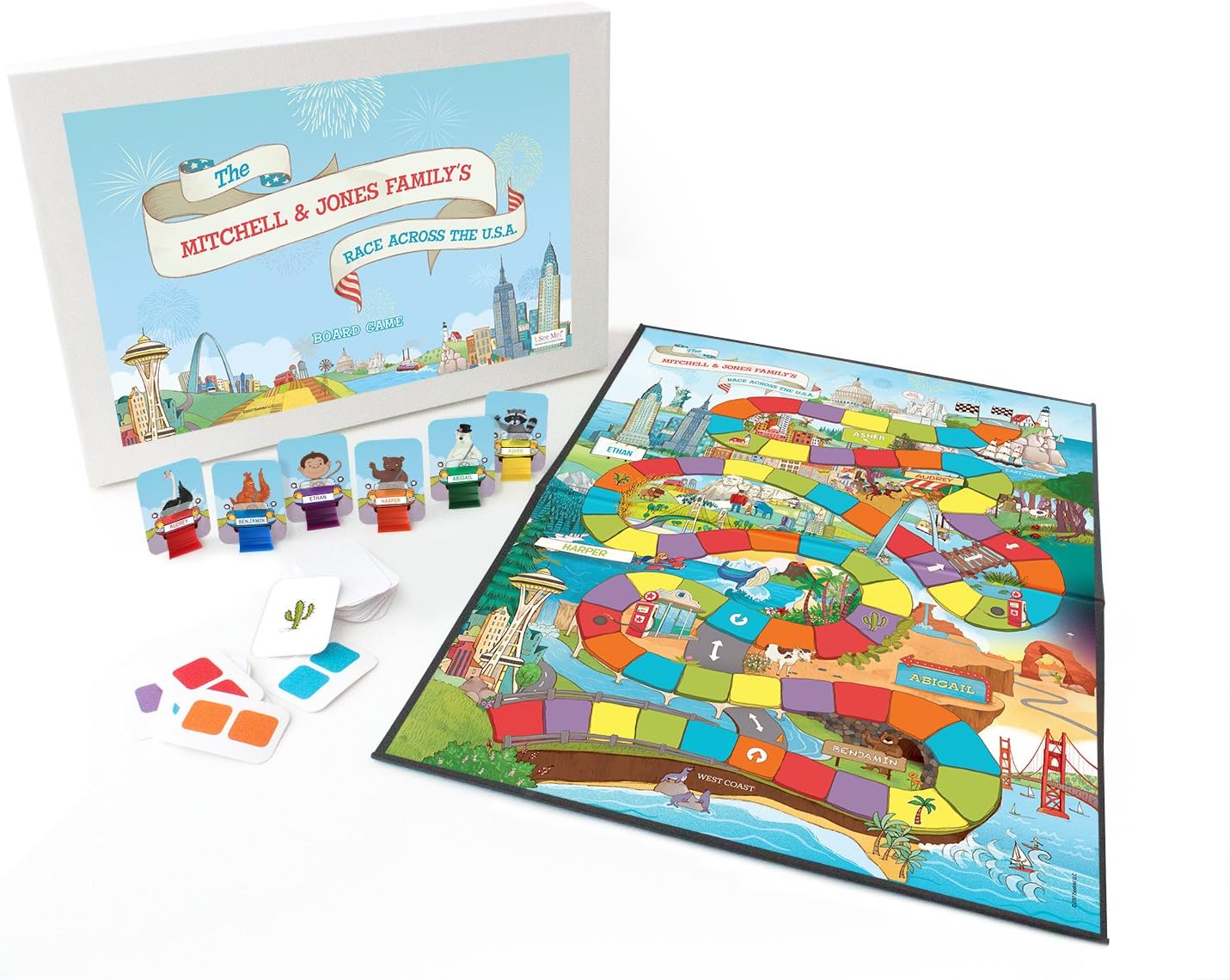
Personalized board game for family game night with spaces for family names

Personalized Family Board Game

A sweet way to put your own family right on the game board. Toddlers love seeing their names and photos woven into play.

Colorful interactive Montessori-style busy board game for babies and toddlers

Interactive Montessori-Style Game for Babies & Toddlers

Perfect for the tiniest players at game night. Focuses on exploration, cause-and-effect, and fine motor practice.

Silly preschool board game with bright pieces designed for young children

Preschool-Friendly Board Game

A silly, high-energy game designed especially for preschoolers that supports listening, gross motor, and early social skills.

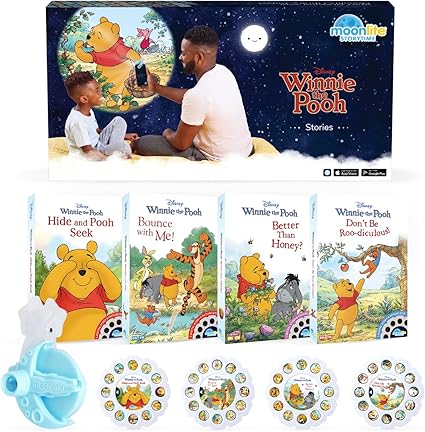
Storytime projector that clips onto a smartphone to project picture books on the wall

Storytime Projector for Family Story Night

Not technically a game, but a magical tool for starting another cozy family tradition: Story Night. Great for language and imagination.

Remember, these are optional extras. Homemade games, DIY dice, and hand-drawn boards can be just as powerful for bonding and learning — sometimes even more so.

Design Your Own Board Game

If your family loves being creative, try designing your own board game together. Start with a simple path (like the tic-tac-toe hearts in the featured image) and decide:

  • How do players move? (Roll a die, spin a spinner, draw a card?)
  • What happens on special spaces? (Jump ahead, go back, do a silly action, share something you’re thankful for?)
  • How does the game end? (Reach a finish line, collect a certain number of tokens, or complete a cooperative goal?)

Creating a game together lets children practice planning, negotiating rules, testing ideas, and revising — the same process scientists, engineers, and writers use in their work!

Making Family Game Night Work for Your Family

Every family looks different, and every week looks different, too. Here are some flexible guidelines you can adapt:

  • Choose a realistic rhythm. Weekly is wonderful, but biweekly or “Sunday evenings when we can” is also valuable. Consistency matters more than perfection.
  • Rotate who chooses the game. Let children feel ownership by picking the game (or the category) sometimes.
  • Keep it short and sweet. For toddlers and preschoolers, 10–20 minutes of focused, happy play beats an hour-long battle through meltdowns.
  • Emphasize fun over winning. Model phrases like “Good game,” “Nice try,” and “We can try again next time.”
  • Include snacks, snuggles, and silliness. These small touches help children associate game night with warmth and safety.

Over time, this simple ritual becomes part of your family story: “We’re the kind of people who make time to play together.”

Related Family Tradition Posts You May Enjoy

Research-Informed, Not Institution-Endorsed

Early Learning Made Easy resources are independently created by Ms. Vanessa and are informed by evidence-based research in early childhood development, positive psychology, and related fields. They are not officially affiliated with, reviewed by, or endorsed by any external institution or author (including but not limited to the AAP, CDC, USDA, or any university or clinic).

Stay Connected with Early Learning Made Easy

✨ You’re Doing Amazing — Let’s Make Learning Simple ✨

Subscribe to my blog for instant access to today’s Featured Freebie — plus weekly printables, early learning tips, and new resource alerts.

✉️ Subscribe for Instant Access


Want unlimited access to every premium resource and future freebie — forever?

⭐ Become a Premium Member

(One-time purchase. Lifetime access.)

🛍️ Shop All Resources

Already a member? Request your freebie here

No spam — just real tools that make early learning simple, joyful, and evidence-based.

About Early Learning Made Easy:
Created by Ms. Vanessa, CDA-certified Early Childhood Educator. This blog provides simple, joyful, evidence-informed learning activities for families and caregivers.

Affiliate & Research Disclosure:
This site may include Amazon affiliate links. As an Amazon Associate, I earn from qualifying purchases at no additional cost to you. Content is independently created and informed by evidence-based research.

© Early Learning Made Easy — All Rights Reserved.

Wednesday, November 5, 2025

Helping Children Cope with Seasonal Transitions and Big Feelings

Early Learning Made Easy — Making Early Learning Simple, Joyful, and Evidence-Based
Emotions & Routines

When Big Feelings Meet Big Weather: Helping Kids Handle Transitions

by Ms. Vanessa • Updated November 5, 2025

As the days grow shorter and the air turns colder, families begin adjusting to new rhythms: earlier evenings, thicker coats, and often—bigger emotions. For young children, seasonal changes can shake up the predictable patterns that help them feel safe. This guide blends research-informed strategies with practical tools to help your child navigate darker days, more indoor time, and shifting routines with confidence.

🌦️ Why Seasonal Changes Feel So Big to Little Kids

Under five, children live mostly in the “here and now.” Predictable patterns—outside play before lunch, story before nap—anchor their day. When daylight shrinks and weather limits outdoor time, those anchors move. Common signs include clinginess, more meltdowns, resistance to routines, or sleep/appetite shifts. These aren’t “bad behaviors”—they’re communication: “I’m working hard to adjust.”

💛 Emotional Regulation: What’s Happening in the Brain

The prefrontal cortex (self-control, planning) is still under construction in early childhood, while the limbic system (emotion) is highly active. Big transitions can overwhelm that system. Children rely on co-regulation—a calm, consistent adult presence—to return to balance. When we slow down, name feelings, and model calm, we teach the brain how to do it next time.

🏡 Simple Routines That Build Emotional Safety

  • Visual schedules: Picture cards showing the day’s rhythm help kids anticipate what’s next.
  • Morning signals: Open curtains, a favorite song, or a candle can gently start the day.
  • Indoor movement swaps: Dance parties, yoga cards, or a simple obstacle path replace missed playground time.
  • Cozy calm corner: Soft lighting, a blanket, a stuffed friend, and “Calm-Down Choices” visuals.
  • Steady bedtime: Keep the sequence stable even when daylight shifts.

🌧️ Handling the Hard Moments: Co-Regulation in Action

  1. Name & validate: “You’re really mad that we can’t go to the park today.”
  2. Offer closeness: Sit nearby, breathe slowly; let your calm be contagious.
  3. Provide a choice: “Jump like a frog inside, or help me stir the cookie dough?”

🔆 When You’re Feeling It Too

Shorter days affect grown-ups as well. Brief morning light exposure, micro-breaks, warm drinks after bedtime, and realistic expectations protect your energy—so you can be the steady anchor your child needs.

🎨 Free Resource: “Calm-Down Choices” Visual Cards

Kid-friendly options like: deep breaths, hug a stuffed animal, draw your feelings, listen to music, or ask for a cuddle. Post them in your calm corner and refer to them in the moment.

Get the Calm-Down Choices Cards

Prefer a printable version? Download the PDF article.

📚 Helpful Books & Tools

Affiliate disclosure: As an Amazon Associate, Early Learning Made Easy earns from qualifying purchases—at no extra cost to you.

🌤️ The Takeaway

Seasonal transitions can be challenging—and they’re also powerful practice. With predictable routines, calm co-regulation, and simple visual tools, children learn that change is survivable and they are safe, seen, and supported.

Research & Attribution: Independently created by Early Learning Made Easy and informed by evidence-based research. Not affiliated with or endorsed by any external institution or author.

Educational Disclaimer: The content on Early Learning Made Easy is for informational/educational purposes and does not replace professional advice. Always follow your program policies and your child’s individual needs.

Related Post: Gratitude Grows: Teaching Thankfulness in Early Childhood

✨ You’re Doing Amazing — Let’s Make Learning Simple ✨

Subscribe to my blog for instant access to today’s Featured Freebie — plus weekly printables, early learning tips, and new resource alerts.

✉️ Subscribe for Instant Access


Want unlimited access to every premium resource and future freebie — forever?

⭐ Become a Premium Member

(One-time purchase. Lifetime access.)

🛍️ Shop All Resources

Already a member? Request your freebie here

No spam — just real tools that make early learning simple, joyful, and evidence-based.

About Early Learning Made Easy:
Created by Ms. Vanessa, CDA-certified Early Childhood Educator. This blog provides simple, joyful, evidence-informed learning activities for families and caregivers.

Affiliate & Research Disclosure:
This site may include Amazon affiliate links. As an Amazon Associate, I earn from qualifying purchases at no additional cost to you. Content is independently created and informed by evidence-based research.

© Early Learning Made Easy — All Rights Reserved.


New to ELME? Start Here...

Early Childhood Education Standards Explained: What Parents Need to Know

Early learning standards are best met through play, relationships, and everyday moments. E A R L Y ...