Physical Development in Early Childhood Education
Physical development is a foundational learning domain in early childhood education. From a baby lifting their head for the first time to a preschooler running, climbing, pouring, and writing, physical growth supports every other area of learning and development.
In early childhood, physical development is not just about movement—it includes fine and gross motor skills, health, nutrition, body awareness, and the ability to safely and confidently interact with the physical world. These skills form the foundation for independence, self-care, and school readiness.

What Is Physical Development in Early Childhood?
Physical development refers to the growth and coordination of a child’s body and motor abilities. In early learning standards, this domain typically includes:
- Gross motor development (large body movements)
- Fine motor development (small, precise movements)
- Health and wellness
- Nutrition and feeding skills
- Safety, body awareness, and self-care
Research and early learning frameworks consistently emphasize that physical development is deeply interconnected with cognitive, social, and emotional growth. Children learn through movement, exploration, and hands-on experiences.

Why Physical Development Matters
During the early years, the brain and body develop rapidly and together. Movement strengthens neural connections that support attention, problem-solving, emotional regulation, and learning.
Strong physical development in early childhood is associated with:
- Improved coordination and body control
- Greater independence in daily routines
- Increased confidence and persistence
- Better readiness for school tasks such as sitting, writing, and participating in group activities
Because of this, physical development plays a key role in both developmental milestones and kindergarten readiness.
Key Components of Physical Development
Gross Motor Development
Gross motor skills involve the large muscles of the body and support movements such as rolling, crawling, walking, running, jumping, climbing, and balancing.
In early childhood settings, gross motor development is supported through:
- Active play indoors and outdoors
- Opportunities for climbing, pushing, pulling, and carrying
- Games that encourage coordination, balance, and strength
Daily movement supports physical health while also improving focus, mood, and learning readiness.
Fine Motor Development
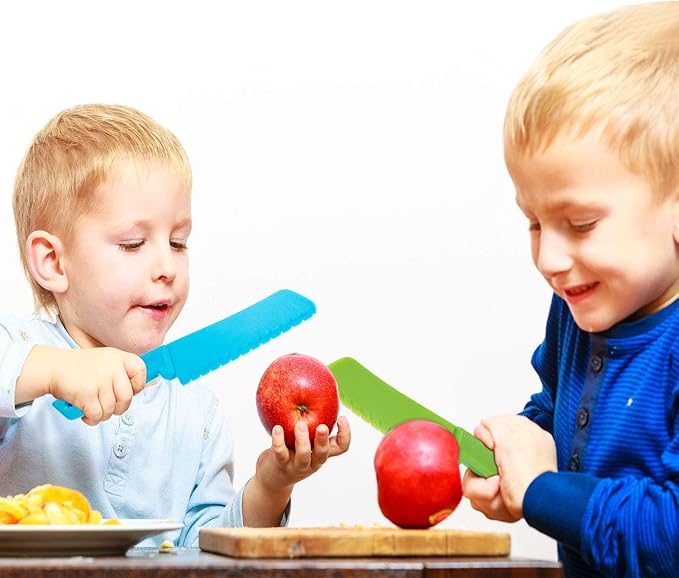
Fine motor skills involve the small muscles of the hands and fingers and are essential for tasks such as grasping, feeding, dressing, drawing, and writing.
Fine motor development is strengthened through everyday activities like:
- Using utensils during meals
- Pouring, scooping, and serving food
- Buttoning, zipping, and self-care routines
- Art, building, and manipulative play
You may find these related posts helpful:
- Let Them Make a Mess: The Surprising Benefits of Self-Feeding
- Little Helpers at the Table: Encouraging Independence
Health, Nutrition, and Wellness
Physical development also includes health, nutrition, and the habits that support lifelong wellbeing. Young children develop physical skills while learning to care for their bodies.
Nutrition plays a direct role in physical growth, energy levels, and skill development. Mealtime routines support:
- Fine motor coordination
- Independence and self-confidence
- Healthy relationships with food
Explore these nutrition-focused posts that also support physical development:
- Why Variety Matters When Feeding Babies and Toddlers
- The Role of Self-Feeding in Physical Development
Body Awareness, Safety, and Self-Care
As children grow, physical development includes learning how their bodies move in space, understanding safety, and developing self-care skills such as dressing, washing hands, and managing personal needs.
These skills contribute to confidence, independence, and participation in group learning environments.

Physical Development Across Early Childhood
Physical development follows predictable patterns, but every child develops at their own pace.
- Infants build strength, coordination, and body control through movement and exploration.
- Toddlers refine walking, climbing, feeding, and self-help skills.
- Preschoolers develop coordination, endurance, and precision needed for school routines.
Understanding these patterns helps adults provide developmentally appropriate support without rushing or restricting natural growth.

Physical Development and Kindergarten Readiness
Physical development is an essential part of school readiness. Children entering kindergarten need the stamina, coordination, and self-care skills to fully participate in learning.
Physical readiness supports:
- Classroom participation
- Early writing and tool use
- Following routines and transitions
- Confidence and independence
To learn more, visit:
Looking Ahead
In upcoming posts, we’ll explore physical development sub-domains in greater depth, including:
- Fine motor skill development
- Gross motor play and movement
- Health and nutrition in early learning
- Physical development activities by age group
Supporting physical development in early childhood means giving children the freedom, time, and encouragement to move, explore, and grow—building strong foundations for lifelong learning.
This content is independently created and informed by evidence-based research. It is not affiliated with or endorsed by any external institution or organization.
✨ You’re Doing Amazing — Let’s Make Learning Simple ✨
Subscribe to my blog for instant access to today’s Featured Freebie — plus weekly printables, early learning tips, and new resource alerts.
✉️ Subscribe for Instant Access
Want unlimited access to every premium resource and future freebie — forever?
(One-time purchase. Lifetime access.)
Already a member? Request your freebie here
No spam — just real tools that make early learning simple, joyful, and evidence-based.
About Early Learning Made Easy:
Created by Ms. Vanessa, CDA-certified Early Childhood Educator. This blog provides simple, joyful, evidence-informed learning activities for families and caregivers.
Affiliate & Research Disclosure:
This site may include Amazon affiliate links. As an Amazon Associate, I earn from qualifying purchases at no additional cost to you. Content is independently created and informed by evidence-based research.
© Early Learning Made Easy — All Rights Reserved.