Search This Blog

Early Learning Made Easy

Showing posts with label positive parenting. Show all posts

Monday, December 15, 2025

Beyond Biology: Why Children Need More Than Just Their Parents to Thrive

Grandparent and toddler sitting together outdoors, representing supportive caregiving relationships
Supportive relationships can come from more than one caring adult.
E A R L Y   L E A R N I N G   M A D E   E A S Y
Beyond Biology: Why Children Need More Than Just Their Parents to Thrive
By Ms. Vanessa — Early Learning Made Easy
Making Early Learning Simple, Joyful, and Evidence-Based
Affiliate Disclosure: This post may contain Amazon affiliate links. If you purchase through these links, I may earn a small commission at no extra cost to you. Thank you for supporting Early Learning Made Easy.

The Science of Multiple Attachments

Psychologist John Bowlby emphasized that human infants are biologically programmed to seek comfort and protection from caregivers who respond to their needs. Children can form secure attachments with several familiar adults, provided those adults are consistently sensitive and responsive. Mary Ainsworth’s classic “Strange Situation” studies showed that children may use more than one trusted adult as a secure base—strengthening confidence and adaptation.


Why This Matters for Families

Allowing your child to bond with grandparents, family friends, or long-term caregivers doesn’t diminish your role—it enriches their emotional world. When infants spend time with multiple loving adults who meet their needs, they learn that comfort and safety are available from many places.

Free printable: Growing in Security - The Lifelong Value of Positive Attachment to Caregivers
Free today: Tap the image to request your printable caregiver resource.

Request the Free Printable

Child Care and the Continuity of Care Challenge

A stable, responsive caregiver in child care can become an important attachment figure, but high staff turnover can interrupt these relationships. To protect stability, ask about primary caregiving systems, how they handle transitions, and how families and staff communicate. Small routines—consistent goodbyes, familiar comfort objects, and a warm handoff—make a big difference.

Screen-Free Family Game (Ages 2–6)

Count & Match by Color & Shape is a playful, quick-prep learning game that builds early math skills and strengthens family connection—without screens, apps, or complicated setup.

  • Counting & 1:1 correspondence
  • Color & shape recognition
  • Fine motor control
  • Turn-taking & cooperation
  • Focus, patience & confidence
  • Kindergarten readiness through joyful play

Get the Game on Gumroad

The Lifelong Benefits of Nurturing Every Bond

Children who experience multiple secure attachments often develop stronger emotional regulation, empathy, and confidence exploring new environments. Think of it as an “emotional village”—a network that supports well-being long after infancy.

A Message for Parents and Caregivers

If your child forms a deep bond with another family member or caregiver, celebrate it. These relationships do not compete with yours—they complement it. You are giving your child one of life’s greatest gifts: a wider circle of love and belonging.

Member perk: Become a member for access to a printable version of this article and other exclusive early learning resources!

Helpful Books & Tools for Supporting Secure Attachments

Related Reads on Early Learning Made Easy


Research & Attribution: Content is independently created by Early Learning Made Easy and informed by evidence-based research and reputable organizations (e.g., Bowlby, Ainsworth, AAP, USDA). Not affiliated with or endorsed by any external institution or author.
Early Learning Made Easy — Making Early Learning Simple, Joyful, and Evidence-Based.
© 2025 Early Learning Made Easy | Written by Ms. Vanessa | All Rights Reserved.


✨ You’re Doing Amazing — Let’s Make Learning Simple ✨

Subscribe to my blog for instant access to today’s Featured Freebie — plus weekly printables, early learning tips, and new resource alerts.

✉️ Subscribe for Instant Access


Want unlimited access to every premium resource and future freebie — forever?

⭐ Become a Premium Member

(One-time purchase. Lifetime access.)

🛍️ Shop All Resources

Already a member? Request your freebie here

No spam — just real tools that make early learning simple, joyful, and evidence-based.

About Early Learning Made Easy:
Created by Ms. Vanessa, CDA-certified Early Childhood Educator. This blog provides simple, joyful, evidence-informed learning activities for families and caregivers.

Affiliate & Research Disclosure:
This site may include Amazon affiliate links. As an Amazon Associate, I earn from qualifying purchases at no additional cost to you. Content is independently created and informed by evidence-based research.

© Early Learning Made Easy — All Rights Reserved.

Tuesday, December 2, 2025

Secure Attachment in Early Childhood: Why Caregiver Bonding Matters (Birth–5)

Growing in Security: The Lifelong Value of Positive Attachment to Caregivers

Early Learning Made Easy Birth–5

Affiliate Disclosure: This post contains Amazon affiliate links. If you purchase through these links, I may earn a small commission at no extra cost to you.

Introduction

From the moment a child is born, the relationships they form with caregivers shape their emotional, social, and even neurological development. These early attachment bonds are the foundation for resilience and coping in the face of life’s challenges. In this article, we explore why positive attachment matters from birth through age five, highlight the long-term benefits for well-being, discuss what to avoid, and offer actionable solutions to help families strengthen these vital bonds.

The Science of Attachment

John Bowlby first proposed that humans are biologically driven to form attachments as a survival mechanism—the caregiver acts as a secure base from which the child explores the world. Later, Mary Ainsworth identified secure and insecure attachment patterns through the Strange Situation experiments (Ainsworth, 1978). Infants develop an internal working model based on repeated experiences: whether others can be trusted, whether they are worthy of care, and how relationships function (Bowlby, 1988). These early models influence emotion regulation, coping, and relationships throughout life (Frontiers in Psychology, 2023). Responsive caregiving—promptly meeting the infant’s emotional and physical needs—is crucial for forming secure attachment (ScienceDirect, 2019). When caregivers are inconsistent, intrusive, or emotionally unavailable, children may develop insecure or disorganized attachment patterns (PMC, 2009).

Advertisement

Attachment Across Early Childhood (0–5)

  • Birth–6 months: Builds trust and early stress regulation through consistent care.
  • 6–12 months: Learns that comfort and safety are predictable.
  • 1–2 years: Strengthens confidence and autonomy; avoid overnight separations and frequent disruptions (University of Virginia, 2013).
  • 2–3 years: Secure base supports emotional regulation; avoid caregiver instability or environmental chaos (PMC, 2015).
  • 3–5 years: Builds empathy, cooperation, and self-regulation; minimize family conflict, frequent moves, or caregiver turnover.

As children move through these stages, their social and emotional growth is closely linked with language, motor, and self-help skills. If you are thinking ahead to school, you may enjoy my Kindergarten Readiness Guide, which looks at what helps children feel confident and prepared for that big transition. For an age-by-age overview of typical skills from birth through age five, you can also explore my Developmental Milestones page.

Caregiver gently holding a sleeping baby against their shoulder, showing a warm and nurturing moment that represents secure attachment and emotional safety

Long-Term Benefits of Secure Attachment

  • Resilience and coping: Securely attached children regulate emotions more effectively and recover more easily from stress (Masten, 2001).
  • Healthy relationships: Predicts stronger adult relationships and trust (Frontiers in Psychology, 2023).
  • Mental health protection: Secure bonds buffer anxiety and depression (PMC, 2009; ScienceDirect, 2024).
  • Neural development: Strengthens neural pathways for stress regulation and empathy (PMC, 2017).

What to Avoid

  • Frequent moves (MacArthur Foundation, 2010)
  • Unstable caregiving (PMC, 2015)
  • Frequent overnight separations, especially in the toddler period (University of Virginia, 2013)
  • Environmental chaos (ERIC, 2020)
  • Overreliance on substitute attachments

Do This Instead

  • Prioritize stability and routine
  • Build emotional availability through responsive caregiving
  • Coordinate across caregivers for consistency
  • Support exploration from a secure base
  • Repair relationship ruptures quickly
  • Seek support if needed (Tandfonline, 2018)

Advertisement


Reading Picks

Patterns of Attachment by Mary Ainsworth cover

Patterns of Attachment (Ainsworth)

Classic research behind secure vs. insecure patterns and the Strange Situation.

View on Amazon
A Secure Base by John Bowlby cover

A Secure Base (Bowlby)

Foundational theory on why caregivers are a child’s secure base for exploration.

View on Amazon
Ordinary Magic by Ann Masten cover

Ordinary Magic (Masten)

Resilience science—what helps kids bounce back and thrive.

View on Amazon
The Power of Showing Up cover

The Power of Showing Up

Everyday attachment practices parents can actually do.

View on Amazon

Caregiver Tools

Ergonomic baby carrier

Ergonomic Baby Carrier

Supports responsive caregiving and co-regulation on the go.

View on Amazon
White noise machine

White Noise Machine

Helps create predictable sleep cues and routines.

View on Amazon
High-contrast board books

High-Contrast Board Books

For shared attention, language, and caregiver-child connection.

View on Amazon
Sleep sack or swaddle

Sleep Sack / Swaddle

Supports soothing routines and safe sleep guidelines.

View on Amazon
Montessori-style toys for toddlers

Montessori-Style Toys (0–3)

Encourage exploration from a secure base with simple, graspable materials.

View on Amazon

As an Amazon Associate I earn from qualifying purchases. Links are rel="sponsored nofollow".

Conclusion

Secure attachment is not just about bonding—it is a blueprint for emotional health, resilience, and lifelong relationships. From birth to age five, children need consistent, predictable care to feel safe exploring their world. While disruptions are sometimes unavoidable, intentional stability, emotional attunement, and repair can safeguard a child’s social and emotional growth.

References

  • Ainsworth, M. D. S. (1978). Patterns of Attachment.
  • Bowlby, J. (1988). A Secure Base: Parent-Child Attachment and Healthy Human Development.
  • Masten, A. S. (2001). Ordinary Magic: Resilience Processes in Development.
  • University of Virginia (2013). Overnights Away From Home Affect Children’s Attachments.
  • MacArthur Foundation (2010). Is Moving During Childhood Harmful?
  • ERIC (2020). Environmental chaos and child development.
  • Frontiers in Psychology (2023). Attachment and Resilience.
  • ScienceDirect (2019, 2024). Attachment studies.
  • PMC Studies (2009–2017). Attachment and Neural Development.
  • Tandfonline (2018). Caregiver support and attachment.

If you’d like to keep exploring how consistent, nurturing care shapes children’s well-being, you might also enjoy my related article, The Power of Connection: Why Consistent Caregivers Matter.

Note for caregivers & educators: Content is independently created and informed by evidence-based research (e.g., AAP, USDA, Seligman) but not affiliated with or endorsed by any institution or author.

✨ You’re Doing Amazing — Let’s Make Learning Simple ✨

Subscribe to my blog for instant access to today’s Featured Freebie — plus weekly printables, early learning tips, and new resource alerts.

✉️ Subscribe for Instant Access


Want unlimited access to every premium resource and future freebie — forever?

⭐ Become a Premium Member

(One-time purchase. Lifetime access.)

🛍️ Shop All Resources

Already a member? Request your freebie here

No spam — just real tools that make early learning simple, joyful, and evidence-based.

About Early Learning Made Easy:
Created by Ms. Vanessa, CDA-certified Early Childhood Educator. This blog provides simple, joyful, evidence-informed learning activities for families and caregivers.

Affiliate & Research Disclosure:
This site may include Amazon affiliate links. As an Amazon Associate, I earn from qualifying purchases at no additional cost to you. Content is independently created and informed by evidence-based research.

© Early Learning Made Easy — All Rights Reserved.

Wednesday, November 19, 2025

The Science of Joyful Play: Flow States in Early Childhood Learning

 E A R L Y   L E A R N I N G   M A D E   E A S Y

The Science of Joyful Play: Flow States in Early Childhood Learning

Toddler Playing Joyfully with bubbles


“E” for Engagement — The Science of Joyful Play
By Ms. Vanessa | Early Learning Made Easy

Making Early Learning Simple, Joyful, and Evidence-Based

Affiliate Disclosure: This post may contain Amazon affiliate links. If you purchase through these links, I may earn a small commission at no extra cost to you. Thank you for supporting Early Learning Made Easy.

The “E” in PERMA: Engagement

In psychologist Dr. Martin Seligman’s PERMA model of well-being, the “E” stands for Engagement — that deep sense of focus, joy, and total absorption in what we’re doing. For young children, play is their natural state of engagement — their version of flow.

What Is Flow?

Psychologist Mihaly Csikszentmihalyi described flow as the sweet spot where challenge meets skill. In a state of flow, the mind is so immersed in an activity that time seems to disappear. Children experience this constantly — stacking blocks, finger-painting, or exploring a sound or motion just to see what happens.

Play as the Gateway to Engagement

Play is how children make sense of the world. When play is open-ended and child-led, it builds creativity, persistence, and intrinsic motivation — the “I want to do it again!” drive that fuels lifelong learning.

Finding Flow: What It Looks Like

You’ll know a child is in a state of flow when you see deep concentration, repetition, and calm focus. A child painting, dancing, or building quietly for several minutes isn’t zoning out — they’re zoning in. Their brain is lighting up with learning.

Creating Conditions for Flow

  • Offer open-ended materials like blocks, art supplies, or nature items.
  • Follow their lead — observe before stepping in.
  • Protect uninterrupted time.
  • Match challenge to skill.
  • Value the process, not the product.

When Adults Join the Flow

Engagement grows when caregivers share in it. When you crouch down beside a child and build with them — not to teach, but to join — your presence deepens their experience. Children learn that learning itself is joyful.

The Science Behind the Joy

Research by Csikszentmihalyi and Seligman shows that engagement is a core part of human well-being. In early learning, play-based engagement strengthens attention span, creativity, problem-solving, and emotional resilience.

Final Thought

When children are deeply engaged, they aren’t just playing — they’re learning how to think, focus, and find joy in discovery. Flow is where joy meets growth.

Helpful Tools (Text-Only Links)

Explore simple materials that encourage open-ended, child-led play. (Affiliate links, tagged vanessarm-20)

Magnet tiles are one of the best toys for promoting flow state in toddlers and preschoolers—that calm, focused engagement where real learning happens. The easy click-and-build design keeps kids absorbed as they explore shapes, balance, and cause-and-effect through hands-on play.

This simple, open-ended building also supports key kindergarten readiness skills like spatial reasoning, early math, problem-solving, fine motor control, and cooperative play. (Learn more on my Kindergarten Readiness page.)

Magnet tiles naturally align with developmental milestones from ages 2–5, helping children strengthen hand-eye coordination, creativity, early engineering skills, and longer attention spans. (See detailed milestones on the Developmental Milestones page once it’s published.)

A single toy—yet so much meaningful learning.


Classic wooden blocks are an ideal early-learning toy for encouraging focus, creativity, and hands-on problem solving. As toddlers and preschoolers stack, balance, sort, and build, they naturally practice fine motor skills, hand-eye coordination, shape recognition, and early math concepts like counting and comparing. Lightweight yet durable, colorful blocks invite open-ended play that supports imagination, persistence, and early engineering skills—making them a timeless choice for meaningful learning at home, in the classroom, or as a thoughtful gift.


Paint pouring is an exciting sensory art activity that lets kids mix, drip, and swirl colors to create stunning fluid-art designs—no complicated setup required. With ready-to-pour acrylic paints and a kid-friendly painting station, children can explore color mixing, creativity, and fine motor coordination with less mess and more fun. Step-by-step instructions make it easy for beginners and confident young artists to try techniques like flip-cup pours, galaxy effects, and drip-drop patterns, ensuring every creation is a surprising and magical work of art.


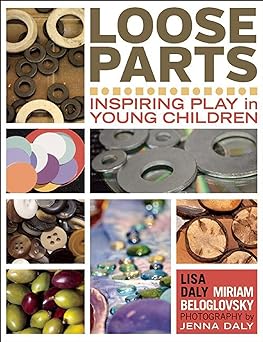
Loose parts are one of the best choices for open-ended play because kids can stack, sort, combine, and rearrange them in limitless ways—fueling imagination, focus, and creative problem-solving. These colorful wooden pieces invite children to explore patterns, build stories, and experiment with early math skills like counting and classifying, while also strengthening fine motor coordination and hand-eye control. Lightweight, durable, and perfect for home or classroom use, loose parts turn simple materials into rich sensory learning.


This award-winning book introduces the concept of loose part art—simple, everyday materials that children can freely move, arrange, and transform to express creativity. Through hundreds of real-world photos and practical guidance, it shows how loose parts spark curiosity, inspire imagination, and support learning across early childhood. Educators and caregivers learn how to use open-ended materials to enrich play, build problem-solving skills, and empower children to explore endless creative possibilities.


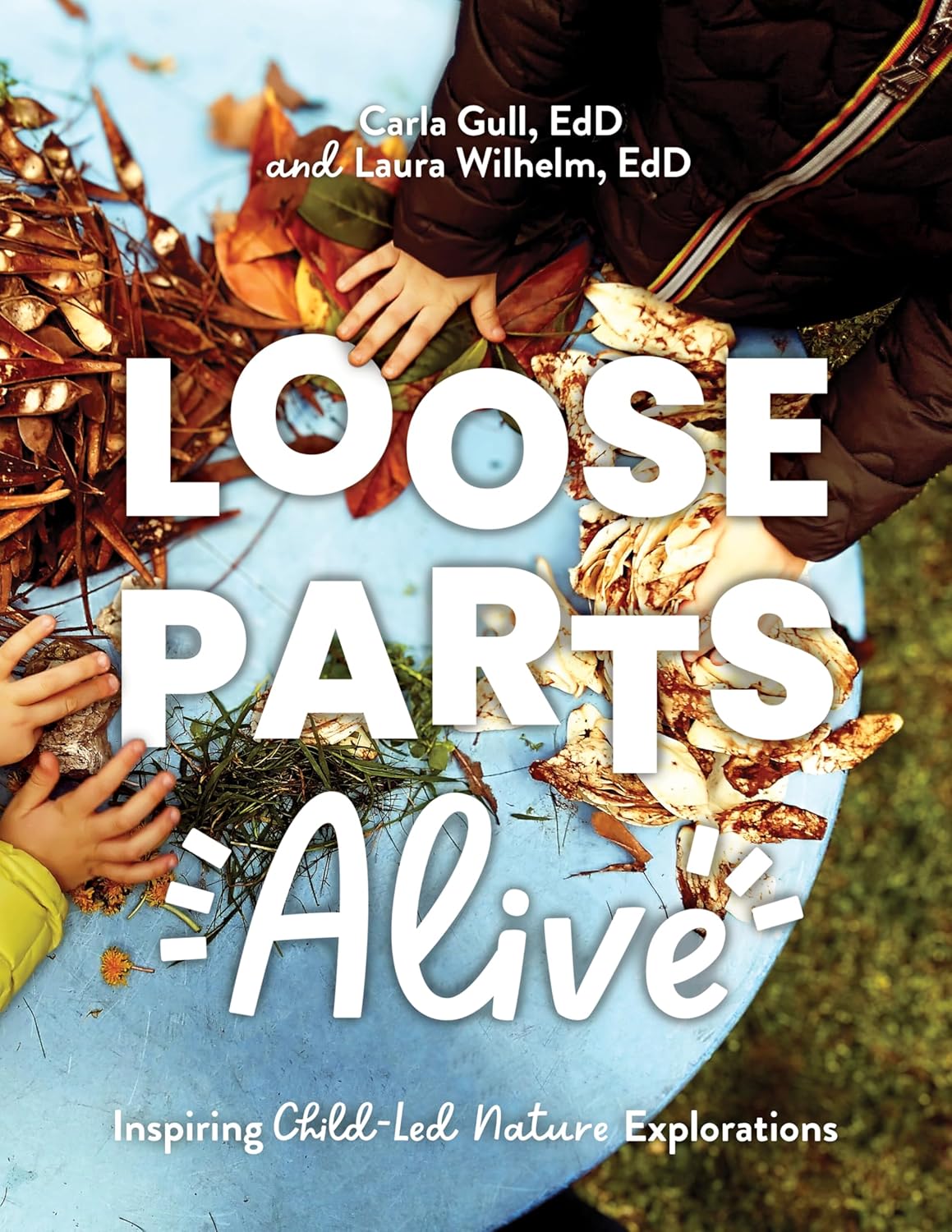
Loose Parts Alive shows how plants, animals, natural materials—and even children’s own bodies—can become powerful “living loose parts” that spark curiosity, creativity, and hands-on learning. Rooted in Reggio Emilia, Montessori, and developmentally appropriate practice, this guide helps caregivers and educators confidently weave nature into open-ended play, encouraging critical thinking, exploration, and joyful discovery. With real examples, practical tips, and inspiring photos, it invites you to transform any space into a place where learning grows naturally.


Watch your little builder's imagination come to life with the Creative Construction Measure and Cut Set. This hands-on workshop toy brings the excitement of real construction right to your home, giving kids the tools they need to feel like genuine craftspeople.

Joy Builds the Brain: How Positive Emotion Fuels Early Learning


Research & Attribution: Content is independently created by Early Learning Made Easy and informed by evidence-based research (Seligman, Csikszentmihalyi, AAP, USDA). Not affiliated with or endorsed by any external institution or author.

✨ You’re Doing Amazing — Let’s Make Learning Simple ✨

Subscribe to my blog for instant access to today’s Featured Freebie — plus weekly printables, early learning tips, and new resource alerts.

✉️ Subscribe for Instant Access


Want unlimited access to every premium resource and future freebie — forever?

⭐ Become a Premium Member

(One-time purchase. Lifetime access.)

🛍️ Shop All Resources

Already a member? Request your freebie here

No spam — just real tools that make early learning simple, joyful, and evidence-based.

About Early Learning Made Easy:
Created by Ms. Vanessa, CDA-certified Early Childhood Educator. This blog provides simple, joyful, evidence-informed learning activities for families and caregivers.

Affiliate & Research Disclosure:
This site may include Amazon affiliate links. As an Amazon Associate, I earn from qualifying purchases at no additional cost to you. Content is independently created and informed by evidence-based research.

© Early Learning Made Easy — All Rights Reserved.

Little Helpers at the Table — Encouraging Independence in Toddlers and Preschoolers

Early Learning Made Easy Feeding & Independence

Created by Ms. Vanessa — All Rights Reserved

Affiliate Disclosure: This post contains Amazon affiliate links. If you purchase through these links, I may earn a small commission at no extra cost to you.

🍎 Little Helpers at the Table: Encouraging Independence in Toddlers and Preschoolers


If you’ve already embraced baby-led feeding, you’ve seen firsthand how much learning happens when little ones are allowed to explore their food. But as babies grow into toddlers and preschoolers, those early sensory experiences naturally evolve into the next stage of development—independence at the table.

Now it’s less about squishing and smearing, and more about doing: pouring water, scooping food, peeling fruit, and serving themselves. These simple acts strengthen fine-motor control, support self-help skills, and build confidence—both at the table and beyond.

Why Self-Serving Matters

When toddlers are encouraged to serve themselves, they learn that mealtime is a shared responsibility. The motions of scooping, pouring, and passing food strengthen small muscles in the hands and arms, supporting future skills like writing, cutting, and dressing.

Even more importantly, self-serving nurtures a sense of agency. Children feel capable, trusted, and involved in family routines. They begin to understand that eating is not something that happens to them—it’s something they actively participate in.

Practical Skills to Encourage at Mealtime

  • 🥣 Pouring water or milk from a small pitcher – Strengthens wrist control and teaches cause-and-effect.
  • 🍚 Scooping food with a child-sized spoon or ladle – Builds hand-eye coordination and bilateral movement.
  • 🍊 Peeling oranges or bananas – Trains sequencing, patience, and texture tolerance.
  • 🍞 Spreading butter or jam with a child-safe utensil – Develops fine-motor precision and early tool use.
  • 🥕 Passing bowls or plates – Encourages turn-taking, gentleness, and awareness of others.

Each small skill adds up. The same coordination that lets a child pour water today lays the foundation for holding a pencil tomorrow.

The Social Side of Eating

Beyond fine-motor practice, mealtimes are one of the best opportunities for social learning. Children observe turn-taking, polite language, and gratitude; they internalize the rhythms of conversation and cooperation. Inviting independence also invites connection: a simple, “Would you like to pour your own drink?” becomes a moment of trust and teamwork.

Overcoming Common Hesitations

  • Use child-sized tools: small pitchers, short-handled spoons, and sturdy cups.
  • Offer manageable portions: start with half-filled cups or pre-portioned servings.
  • Keep clean-up supplies handy and involve your child in wiping spills.
  • Model calm reactions when accidents happen—mistakes are part of learning.

Gentle Guidance for Grown-Ups

  1. Keep routines predictable. Security supports bravery.
  2. Offer limited, real choices. “Milk or water?” avoids overwhelm.
  3. Encourage cleanup. Provide a small cloth so they can wipe their spot.
  4. Celebrate effort over outcome. “You poured that yourself!” matters more than “no spills.”
  5. Invite them into meal prep. Wash produce, tear lettuce, or stir batter—independence beyond the table.

Recommended Books & Tools 

Reading Picks

The Montessori Toddler book cover by Simone Davies

The Montessori Toddler (Simone Davies)

Practical, child-centered ways to involve little helpers at mealtime.

View on Amazon
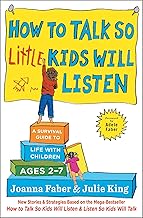
How to Talk So Little Kids Will Listen book cover

How to Talk So Little Kids Will Listen

Communication tools that make cooperation and connection at the table easier.

View on Amazon
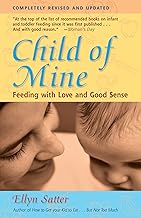
Child of Mine book cover by Ellyn Satter

Child of Mine (Ellyn Satter)

Classic feeding guide—balance structure with trust and autonomy.

View on Amazon

Caregiver Tools

Small toddler pitcher for pouring practice

Small Toddler Pitcher

Two-handled or lightweight spout pitcher for first pouring practice.

View on Amazon
Short-handled toddler serving spoon set

Short-Handled Serving Spoon

Easy grip for developing coordination and bilateral movement.

View on Amazon
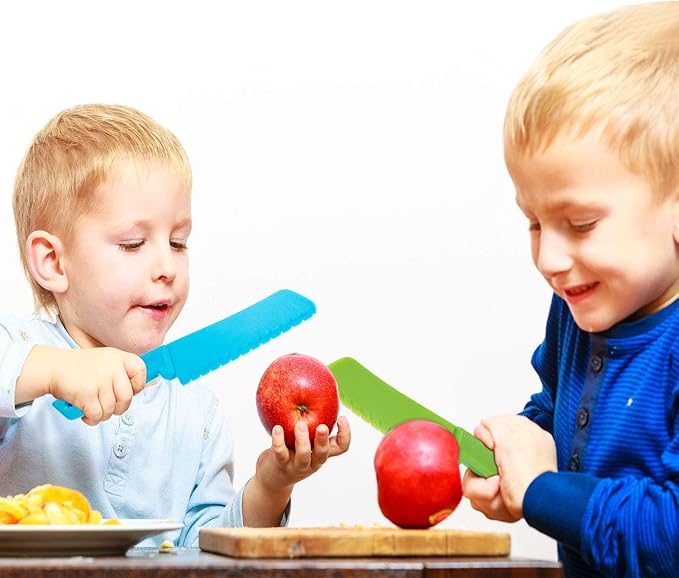
Child-safe spreader knife for toddlers

Child-Safe Spreader Knife

Practice spreading butter or jam safely with toddler-friendly edges.

View on Amazon
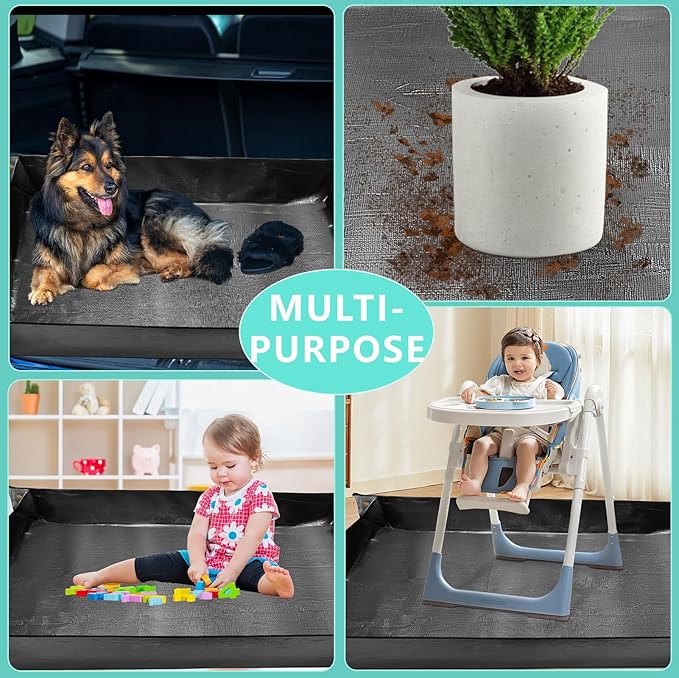
Washable floor mat for under high chair or toddler table

Washable Floor Mat

Stress-free cleanup while children practice independence.

View on Amazon

As an Amazon Associate I earn from qualifying purchases. Links are rel="sponsored nofollow".


Realated Post: Let Them Make a Mess, 

The Surprising Benefits of Self Feeding

Related Post


✨ Created by Ms. Vanessa — Early Learning Made Easy

Join Early Learning Made Easy for more practical tips, printable caregiver tools, and developmental guides designed to make early learning simple, joyful, and meaningful.

✨ You’re Doing Amazing — Let’s Make Learning Simple ✨

Subscribe to my blog for instant access to today’s Featured Freebie — plus weekly printables, early learning tips, and new resource alerts.

✉️ Subscribe for Instant Access


Want unlimited access to every premium resource and future freebie — forever?

⭐ Become a Premium Member

(One-time purchase. Lifetime access.)

🛍️ Shop All Resources

Already a member? Request your freebie here

No spam — just real tools that make early learning simple, joyful, and evidence-based.

About Early Learning Made Easy:
Created by Ms. Vanessa, CDA-certified Early Childhood Educator. This blog provides simple, joyful, evidence-informed learning activities for families and caregivers.

Affiliate & Research Disclosure:
This site may include Amazon affiliate links. As an Amazon Associate, I earn from qualifying purchases at no additional cost to you. Content is independently created and informed by evidence-based research.

© Early Learning Made Easy — All Rights Reserved.

Saturday, November 15, 2025

Fall Sensory Play Ideas for Toddlers and Preschoolers


Affiliate Disclosure: This article contains Amazon affiliate links. As an Amazon Associate, I earn from qualifying purchases—at no extra cost to you. I only recommend items that align with early childhood best practices.

Free today for subscribers: Get the printable “Fall Sensory Exploration Guide” with this article delivered to your inbox. Not subscribed yet? Click here to subscribe for free (today only for this resource).

Why Sensory Experiences Matter

Before children can understand why we’re thankful, they first learn through what they can touch, smell, taste, see, and hear. Sensory play gives toddlers and preschoolers a way to explore the world using their whole body — and fall is the perfect time to engage all five senses.

From crunchy leaves to the sweet smell of pumpkin pie, each sensory experience helps children connect to the season in a joyful, hands-on way.

What the Research Shows

Multi-sensory learning supports brain development and strengthens the connections between neurons. Pediatric guidance encourages sensory-rich play for developing fine motor coordination and early literacy skills. Positive education models also emphasize active exploration as the foundation of curiosity and attention.

Explore the Five Senses of Fall

1) Touch: Crunchy, Soft, Smooth

Fill a sensory bin with acorns, pinecones, fabric leaves, or corn kernels. Encourage descriptive language: rough, bumpy, silky, smooth.

2) Smell: Scents of the Season

Introduce fall aromas like cinnamon sticks, cloves, apples, and pumpkin spice. Invite your child to compare favorites.

3) Sight: Warm Fall Colors

Go on a color walk! Collect items in shades of red, yellow, orange, and brown. Compare leaf colors and notice seasonal changes.

4) Sound: Nature’s Music

Listen for rustling leaves, birds, and crunching footsteps. Make a simple “autumn orchestra” with dried beans or rice in small shakers.

5) Taste: Thanksgiving Flavors

Prepare a small snack together — apples with cinnamon, roasted pumpkin seeds, or mashed sweet potatoes — and describe each flavor.

Why Sensory Play Supports Gratitude

When we slow down to notice the world with all five senses, we practice mindfulness — and mindfulness nurtures gratitude. Ask, “What’s your favorite fall smell?” or “Which leaf felt the most interesting?” Reflection turns sensory play into an early lesson in thankfulness.

Helpful Books & Tools


Want the printable Fall Sensory Exploration Guide? It’s included with today’s subscriber email. Subscribe free here. Prefer to own a copy without subscribing? Purchase the Article + Guide on Gumroad. Premium Members already have instant access to everything: Join Premium.


Related Article: Joy Builds the Brain, How Positive Emotion Fuels Early Learning

✨ You’re Doing Amazing — Let’s Make Learning Simple ✨

Subscribe to my blog for instant access to today’s Featured Freebie — plus weekly printables, early learning tips, and new resource alerts.

✉️ Subscribe for Instant Access


Want unlimited access to every premium resource and future freebie — forever?

⭐ Become a Premium Member

(One-time purchase. Lifetime access.)

🛍️ Shop All Resources

Already a member? Request your freebie here

No spam — just real tools that make early learning simple, joyful, and evidence-based.

About Early Learning Made Easy:
Created by Ms. Vanessa, CDA-certified Early Childhood Educator. This blog provides simple, joyful, evidence-informed learning activities for families and caregivers.

Affiliate & Research Disclosure:
This site may include Amazon affiliate links. As an Amazon Associate, I earn from qualifying purchases at no additional cost to you. Content is independently created and informed by evidence-based research.

© Early Learning Made Easy — All Rights Reserved.

New to ELME? Start Here...

Early Childhood Education Standards Explained: What Parents Need to Know

Early learning standards are best met through play, relationships, and everyday moments. E A R L Y ...