Search This Blog

Early Learning Made Easy

Showing posts with label social skills. Show all posts

Wednesday, February 4, 2026

Social & Emotional Learning in Early Childhood: Why It Matters and How It Develops

Social & Emotional Learning in Early Childhood Education

Social and Emotional Learning (SEL) is a foundational learning domain in early childhood education. Long before children learn academic skills, they are learning how to form relationships, understand emotions, regulate behavior, and feel safe and confident in the world around them.

Early childhood social-emotional development is not separate from learning—it drives learning. Research consistently shows that children who develop strong social and emotional skills are better prepared for school, experience healthier relationships, and demonstrate stronger long-term outcomes in learning and wellbeing.


What Is Social & Emotional Learning?

Social & Emotional Learning refers to the process through which children develop:

  • A sense of self and identity
  • The ability to recognize and express emotions
  • Skills for forming secure relationships
  • Self-regulation and impulse control
  • Empathy, cooperation, and problem-solving

In early childhood, SEL is built primarily through relationships, responsive caregiving, play, and everyday interactions. According to developmental research, social-emotional development emerges from the interaction between biology and environment—meaning children need nurturing, consistent relationships to thrive.


Why Social & Emotional Learning Matters in Early Childhood

The early years are a period of rapid brain development, particularly in areas responsible for emotional regulation, stress response, and social understanding. Experiences during infancy and early childhood shape how children:

  • Handle frustration and stress
  • Develop trust and attachment
  • Engage with peers and adults
  • Approach learning and challenges

Strong early SEL skills are associated with improved academic readiness, healthier behavior, stronger peer relationships, and better mental health outcomes across the lifespan.

This is why SEL is closely tied to:

How Social & Emotional Skills Develop Over Time

Social-emotional development begins at birth and unfolds in predictable—but highly individual—ways.

Infancy (Birth–12 Months)

During infancy, social-emotional development centers on attachment, trust, and emotional communication. Babies learn whether the world is safe through consistent, responsive caregiving.

Key skills emerging during this stage include:

  • Forming secure attachments
  • Recognizing caregivers
  • Expressing emotions through facial expressions and vocalizations
  • Beginning self-soothing with adult support

These early relationships lay the groundwork for emotional regulation and confidence later in life.


Toddlerhood (12–36 Months)

Toddlers are developing autonomy, self-awareness, and early empathy. This stage is often marked by big emotions, growing independence, and emerging peer interactions.

  • Recognizing and naming feelings
  • Parallel play and early friendships
  • Practicing turn-taking and sharing
  • Learning boundaries with adult guidance

Play becomes a powerful tool for social learning, especially pretend play, which supports emotional expression, problem-solving, and cooperation.


Preschool (3–5 Years)

Preschoolers are developing more advanced SEL skills, including emotional regulation, cooperation, and social problem-solving.

  • Understanding others’ perspectives
  • Managing emotions with increasing independence
  • Participating in cooperative play
  • Following group expectations and routines

These skills directly support classroom success and readiness for formal schooling.


The Role of Adults in Supporting SEL

Adults play a critical role in shaping children’s social-emotional development. Children learn SEL skills through:

  • Warm, responsive relationships
  • Consistent routines and expectations
  • Emotionally safe environments
  • Guided play and real-life problem solving

Simple everyday practices—such as naming emotions, modeling empathy, supporting problem-solving, and offering comfort—are powerful tools for building emotional resilience.

Connecting SEL to Everyday Family Life

Social and emotional learning happens naturally during daily routines like:

  • Family meals and conversations
  • Play and shared activities
  • Storytime and imaginative play
  • Family traditions and rituals

You may find it helpful to explore these related posts:

Social & Emotional Learning and Kindergarten Readiness

SEL skills are a critical—but often overlooked—component of school readiness. Children who can manage emotions, follow routines, and build relationships are better equipped to engage in learning.

To explore readiness supports, visit:

Looking Ahead

In upcoming posts, we’ll explore:

  • Infant social-emotional development
  • Toddler SEL and emotional regulation
  • Preschool SEL skills and classroom readiness
  • Practical activities to support SEL at each age

Understanding social and emotional development helps adults support not just children’s learning—but their overall wellbeing, confidence, and sense of belonging.

This content is independently created and informed by evidence-based research. It is not affiliated with or endorsed by any external institution or organization.

✨ You’re Doing Amazing — Let’s Make Learning Simple ✨

Subscribe to my blog for instant access to today’s Featured Freebie — plus weekly printables, early learning tips, and new resource alerts.

✉️ Subscribe for Instant Access


Want unlimited access to every premium resource and future freebie — forever?

⭐ Become a Premium Member

(One-time purchase. Lifetime access.)

🛍️ Shop All Resources

Already a member? Request your freebie here

No spam — just real tools that make early learning simple, joyful, and evidence-based.

About Early Learning Made Easy:
Created by Ms. Vanessa, CDA-certified Early Childhood Educator. This blog provides simple, joyful, evidence-informed learning activities for families and caregivers.

Affiliate & Research Disclosure:
This site may include Amazon affiliate links. As an Amazon Associate, I earn from qualifying purchases at no additional cost to you. Content is independently created and informed by evidence-based research.

© Early Learning Made Easy — All Rights Reserved.

Tuesday, November 11, 2025

15 Acts of Kindness for Toddlers and Preschoolers

Early Learning Made Easy · Making Early Learning Simple, Joyful, and Evidence-Based

Harvesting Kindness: Acts of Kindness Kids Can Do

By Ms. Vanessa · Early Learning Made Easy

Affiliate Disclosure: This article contains Amazon affiliate links. As an Amazon Associate, I earn from qualifying purchases—at no extra cost to you. I only recommend items that align with early childhood best practices.

Free today for subscribers: Get the printable “Kindness Bingo” with this article delivered to your inbox. Not subscribed yet? Click here to subscribe for free (today only for this resource).

Subscribe Free · Get Today’s Freebie Buy Article + Kindness Bingo Premium Member Access

Premium Members enjoy instant, unlimited access to all ELME articles & resources free in the Gumroad library.

Why Teaching Kindness Matters

Kindness isn’t just a nice idea — it’s a skill that grows stronger with practice. When young children are encouraged to help, share, and notice others’ feelings, they begin building the foundation for empathy and compassion. Even toddlers can show kindness through small gestures, and preschoolers are ready to take kindness to a new level through simple acts of service and giving.

What the Research Shows

Early social-emotional learning is linked to lifelong well-being. Pediatric guidance emphasizes that kindness and empathy are learned through repeated experiences and adult modeling. Research in positive psychology also finds that helping others boosts a child’s sense of purpose, belonging, and happiness.

15 Acts of Kindness for Toddlers & Preschoolers

  • Draw a happy picture for a friend or family member.
  • Help feed a pet or water a plant.
  • Wave hello to a neighbor.
  • Hold the door for someone.
  • Share a favorite toy or book.
  • Say “thank you” to helpers (teachers, delivery drivers, etc.).
  • Collect leaves or flowers to give as a gift.
  • Donate gently used clothes or toys with a caregiver’s help.
  • Help set the table for family meals.
  • Bake or prepare a simple snack to share.
  • Tell someone, “I like your smile.”
  • Pick up litter with an adult during a walk.
  • Make a card for a grandparent or caregiver.
  • Give a hug, high-five, or fist bump to a friend.
  • Say something kind about yourself in the mirror.

Make It Fun: Kindness Bingo

Turn kindness into a game! Our Kindness Bingo invites kids to complete simple acts of kindness at home, school, or in the community. When they complete five in a row (or the whole board), celebrate with praise, stickers, or a cozy “kindness snack.”

Helpful Books & Tools


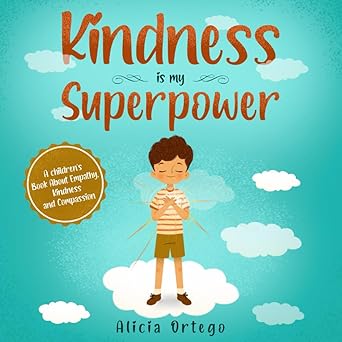
A heartwarming, award-winning story that teaches children the joy of kindness and inclusion—complete with activity cards for real-world practice. Kindness Is My Superpower helps kids see that caring, apologizing, and helping others make them true everyday heroes. Perfect for bedtime or classroom read-alouds to show little ones how small acts of care can make a big difference in the world around them.


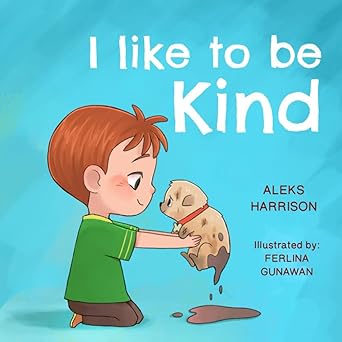
I Like to Be Kind follows Max, a curious boy who discovers how good it feels to help others—from rescuing lost puppies to lending a hand at home. Guided by his father’s example, Max learns that kindness doesn’t just make others smile—it fills your own heart with happiness. With cheerful rhymes, colorful illustrations, and relatable everyday moments, this story makes kindness easy for little ones to understand and practice. A perfect read-aloud for ages 3–8 to build empathy and social awareness.


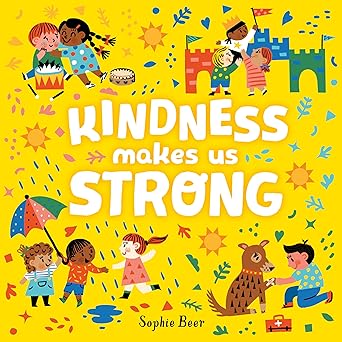
Kindness Is What Makes Us Strong celebrates the many ways children can show care and connection—through a cheerful hello, a helping hand, or a friendly cheer. This joyful story follows little ones as they practice kindness in everyday places like the playground, lunchroom, and neighborhood. A gentle reminder that kindness builds friendship, confidence, and community. Designed as a sturdy board book, it’s perfectly sized and safe for even the youngest learners to explore and enjoy.


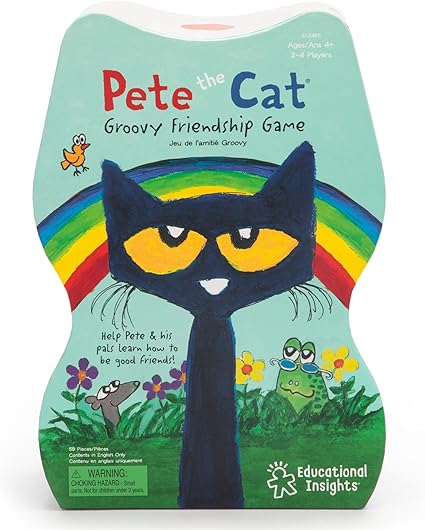
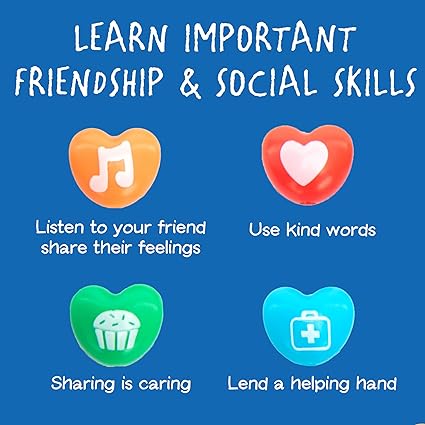
🎲 Pete the Cat Friendship Game helps kids practice social and emotional skills like sharing, kindness, and teamwork through fun, real-life scenarios. Players spin, draw cards, and use “Friendship Toolbox” tokens to solve problems and learn what it means to be a good friend. Designed for ages 4 and up, this engaging game builds empathy, turn-taking, and cooperation—perfect for family game night or classroom play. A fun, educational gift that makes learning friendship skills hands-on and joyful!


This colorful sticker reward chart can be used to reward any positive behavior in any setting, I recommend using it specifically as an "Acts of Kindness Tracker", giving children a star sticker to add to the chart any time you "catch them being kind". Stopping to point out to children that you noticed something kind they did for another person is a wonderful way of teaching social and emotional awareness. 

Want the printable Kindness Bingo? It’s included with today’s subscriber email. Subscribe free here. Prefer to own a copy without subscribing? Purchase the Article + Bingo on Gumroad. Premium Members already have instant access to everything: Join Premium.

Independently created by Early Learning Made Easy and informed by evidence-based research.Not affiliated with or endorsed by any external institution or author.

Early Learning Made Easy — Making Early Learning Simple, Joyful, and Evidence-Based.

Subscribe Free · Shop the Gumroad Store · Premium Membership

✨ You’re Doing Amazing — Let’s Make Learning Simple ✨

Subscribe to my blog for instant access to today’s Featured Freebie — plus weekly printables, early learning tips, and new resource alerts.

✉️ Subscribe for Instant Access


Want unlimited access to every premium resource and future freebie — forever?

⭐ Become a Premium Member

(One-time purchase. Lifetime access.)

🛍️ Shop All Resources

Already a member? Request your freebie here

No spam — just real tools that make early learning simple, joyful, and evidence-based.

About Early Learning Made Easy:
Created by Ms. Vanessa, CDA-certified Early Childhood Educator. This blog provides simple, joyful, evidence-informed learning activities for families and caregivers.

Affiliate & Research Disclosure:
This site may include Amazon affiliate links. As an Amazon Associate, I earn from qualifying purchases at no additional cost to you. Content is independently created and informed by evidence-based research.

© Early Learning Made Easy — All Rights Reserved.

New to ELME? Start Here...

Early Childhood Education Standards Explained: What Parents Need to Know

Early learning standards are best met through play, relationships, and everyday moments. E A R L Y ...