Search This Blog

Early Learning Made Easy

Showing posts with label early learning. Show all posts

Wednesday, March 11, 2026

10 Nature Activities That Build Early STEM Skills

10 Nature Activities That Build Early STEM Skills

Children exploring nature outdoors during STEM learning activities

Photo by Nasirun Khan via Pexels. Exploring nature encourages observation, curiosity, and early scientific thinking.

Quick Answer: Nature activities help children build early STEM skills by encouraging observation, problem-solving, creativity, and experimentation. Outdoor exploration naturally introduces children to science concepts like ecosystems, physics, weather, and plant life while strengthening math and engineering thinking.

Young children are natural scientists. They ask questions, test ideas, and explore the world through play. Nature provides the perfect classroom for these early discoveries.

In fact, many early childhood educators and researchers emphasize that real-world exploration supports the same foundational skills highlighted in national early learning frameworks. Observation, classification, experimentation, and problem solving are all part of the developmental building blocks children use to understand science and technology later in school.

The activities below are designed to help families and educators support these skills through playful outdoor discovery.

Teacher Tip: Many of these activities naturally support early science and engineering thinking commonly included in kindergarten science standards and early childhood learning frameworks. Educators interested in full lesson plans aligned with national learning standards can explore the Junior Naturalist program at Resilient Roots.
---

1. Backyard Bug Investigation

STEM Skills

  • Scientific observation
  • Classification
  • Early biology

Children are naturally fascinated by insects. A simple bug hunt can become a powerful science investigation.

Give children a magnifying glass and encourage them to observe ants, beetles, or caterpillars in their natural environment. Ask questions such as:

  • How many legs does the insect have?
  • Where does it live?
  • What is it doing?

These questions help children practice the same observation and comparison skills used by real scientists.

---

2. Leaf Shape Sorting

STEM Skills

  • Early math classification
  • Pattern recognition
  • Botany

Collect leaves of different shapes and sizes during a walk. Encourage children to sort them into groups.

Some children sort by color, others by size or shape. There is no single correct answer. The goal is helping children notice patterns and differences.

Sorting activities strengthen early math thinking and scientific classification skills.

---

3. Build a Stick Bridge

STEM Skills

  • Engineering design
  • Structural thinking
  • Problem solving

Challenge children to build a small bridge across a puddle or garden gap using sticks and rocks.

Children quickly discover that some designs collapse while others stay strong. This type of playful experimentation introduces the foundations of engineering design.

---

4. Weather Watchers

STEM Skills

  • Scientific observation
  • Data tracking
  • Environmental science

Encourage children to observe daily weather patterns. Ask them to notice changes in temperature, wind, clouds, or rainfall.

Families can even create a simple weather chart together.

---

5. Seed Planting Experiment

STEM Skills

  • Plant biology
  • Prediction and experimentation

Plant seeds in different locations such as sunlight and shade.

Ask children to predict which plant will grow fastest. Over time they can observe changes and compare results.

---

6. Nature Measurement Walk

STEM Skills

  • Early math measurement
  • Comparing sizes

Bring a small ruler or measuring tape on a walk. Children can measure sticks, leaves, or rocks.

This activity helps children connect numbers with real-world objects.

---

7. Build a Mini Habitat

STEM Skills

  • Ecosystem awareness
  • Environmental science

Children can create a small habitat using rocks, leaves, and soil for insects or small creatures.

This helps them understand that animals need shelter, food, and water to survive.

---

8. Water Flow Experiment

STEM Skills

  • Physics
  • Engineering experimentation

Use sticks, leaves, and soil to redirect a small stream of water from a hose or puddle.

Children experiment with slopes and barriers while observing how water moves.

---

9. Shadow Tracking

STEM Skills

  • Astronomy concepts
  • Observation

Trace a shadow on the ground in the morning and revisit it later in the day.

Children begin noticing how the sun’s position changes over time.

---

10. Nature Art Engineering

STEM Skills

  • Creative engineering
  • Design thinking

Use leaves, sticks, and stones to create patterns or structures.

This activity blends creativity with spatial reasoning and design.

---

Related Nature Learning Guides

---

Why Nature is One of the Best STEM Classrooms

Nature offers endless opportunities for curiosity and discovery. When children explore outdoor environments, they naturally practice the same skills scientists and engineers use every day: asking questions, testing ideas, observing patterns, and learning from mistakes.

These early experiences help build the foundation for lifelong curiosity and learning.

---

Frequently Asked Questions

Why is nature good for STEM learning?

Nature provides real-world opportunities for observation, experimentation, and discovery.

What age can children begin STEM learning?

Even toddlers can begin developing STEM skills through exploration, observation, and play.

Do you need special materials for STEM activities?

No. Many powerful STEM activities use simple natural materials like sticks, leaves, rocks, and water.

✨ You’re Doing Amazing — Let’s Make Learning Simple ✨

Subscribe to my blog for instant access to today’s Featured Freebie — plus weekly printables, early learning tips, and new resource alerts.

✉️ Subscribe for Instant Access


Want unlimited access to every premium resource and future freebie — forever?

⭐ Become a Premium Member

(One-time purchase. Lifetime access.)

🛍️ Shop All Resources

Already a member? Request your freebie here

No spam — just real tools that make early learning simple, joyful, and evidence-based.

About Early Learning Made Easy:
Created by Ms. Vanessa, CDA-certified Early Childhood Educator. This blog provides simple, joyful, evidence-informed learning activities for families and caregivers.

Affiliate & Research Disclosure:
This site may include Amazon affiliate links. As an Amazon Associate, I earn from qualifying purchases at no additional cost to you. Content is independently created and informed by evidence-based research.

© Early Learning Made Easy — All Rights Reserved.

Wednesday, November 19, 2025

Little Helpers at the Table — Encouraging Independence in Toddlers and Preschoolers

Early Learning Made Easy Feeding & Independence

Created by Ms. Vanessa — All Rights Reserved

Affiliate Disclosure: This post contains Amazon affiliate links. If you purchase through these links, I may earn a small commission at no extra cost to you.

🍎 Little Helpers at the Table: Encouraging Independence in Toddlers and Preschoolers


If you’ve already embraced baby-led feeding, you’ve seen firsthand how much learning happens when little ones are allowed to explore their food. But as babies grow into toddlers and preschoolers, those early sensory experiences naturally evolve into the next stage of development—independence at the table.

Now it’s less about squishing and smearing, and more about doing: pouring water, scooping food, peeling fruit, and serving themselves. These simple acts strengthen fine-motor control, support self-help skills, and build confidence—both at the table and beyond.

Why Self-Serving Matters

When toddlers are encouraged to serve themselves, they learn that mealtime is a shared responsibility. The motions of scooping, pouring, and passing food strengthen small muscles in the hands and arms, supporting future skills like writing, cutting, and dressing.

Even more importantly, self-serving nurtures a sense of agency. Children feel capable, trusted, and involved in family routines. They begin to understand that eating is not something that happens to them—it’s something they actively participate in.

Practical Skills to Encourage at Mealtime

  • 🥣 Pouring water or milk from a small pitcher – Strengthens wrist control and teaches cause-and-effect.
  • 🍚 Scooping food with a child-sized spoon or ladle – Builds hand-eye coordination and bilateral movement.
  • 🍊 Peeling oranges or bananas – Trains sequencing, patience, and texture tolerance.
  • 🍞 Spreading butter or jam with a child-safe utensil – Develops fine-motor precision and early tool use.
  • 🥕 Passing bowls or plates – Encourages turn-taking, gentleness, and awareness of others.

Each small skill adds up. The same coordination that lets a child pour water today lays the foundation for holding a pencil tomorrow.

The Social Side of Eating

Beyond fine-motor practice, mealtimes are one of the best opportunities for social learning. Children observe turn-taking, polite language, and gratitude; they internalize the rhythms of conversation and cooperation. Inviting independence also invites connection: a simple, “Would you like to pour your own drink?” becomes a moment of trust and teamwork.

Overcoming Common Hesitations

  • Use child-sized tools: small pitchers, short-handled spoons, and sturdy cups.
  • Offer manageable portions: start with half-filled cups or pre-portioned servings.
  • Keep clean-up supplies handy and involve your child in wiping spills.
  • Model calm reactions when accidents happen—mistakes are part of learning.

Gentle Guidance for Grown-Ups

  1. Keep routines predictable. Security supports bravery.
  2. Offer limited, real choices. “Milk or water?” avoids overwhelm.
  3. Encourage cleanup. Provide a small cloth so they can wipe their spot.
  4. Celebrate effort over outcome. “You poured that yourself!” matters more than “no spills.”
  5. Invite them into meal prep. Wash produce, tear lettuce, or stir batter—independence beyond the table.

Recommended Books & Tools 

Reading Picks

The Montessori Toddler book cover by Simone Davies

The Montessori Toddler (Simone Davies)

Practical, child-centered ways to involve little helpers at mealtime.

View on Amazon
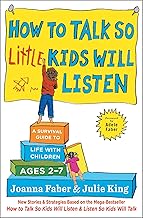
How to Talk So Little Kids Will Listen book cover

How to Talk So Little Kids Will Listen

Communication tools that make cooperation and connection at the table easier.

View on Amazon
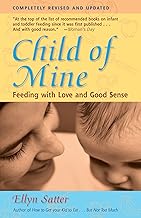
Child of Mine book cover by Ellyn Satter

Child of Mine (Ellyn Satter)

Classic feeding guide—balance structure with trust and autonomy.

View on Amazon

Caregiver Tools

Small toddler pitcher for pouring practice

Small Toddler Pitcher

Two-handled or lightweight spout pitcher for first pouring practice.

View on Amazon
Short-handled toddler serving spoon set

Short-Handled Serving Spoon

Easy grip for developing coordination and bilateral movement.

View on Amazon
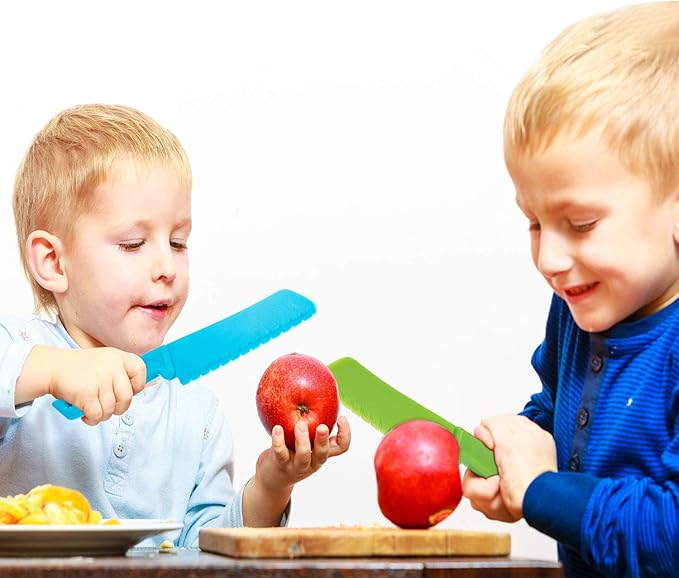
Child-safe spreader knife for toddlers

Child-Safe Spreader Knife

Practice spreading butter or jam safely with toddler-friendly edges.

View on Amazon
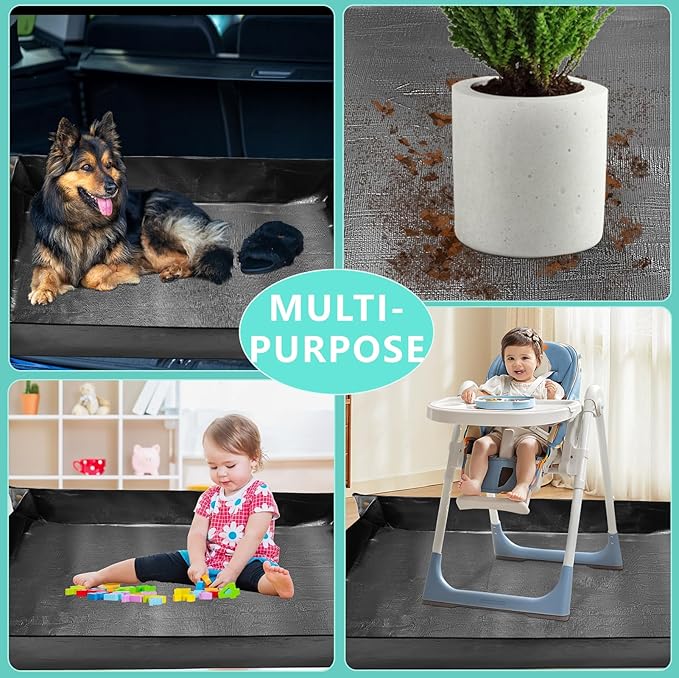
Washable floor mat for under high chair or toddler table

Washable Floor Mat

Stress-free cleanup while children practice independence.

View on Amazon

As an Amazon Associate I earn from qualifying purchases. Links are rel="sponsored nofollow".


Realated Post: Let Them Make a Mess, 

The Surprising Benefits of Self Feeding

Related Post


✨ Created by Ms. Vanessa — Early Learning Made Easy

Join Early Learning Made Easy for more practical tips, printable caregiver tools, and developmental guides designed to make early learning simple, joyful, and meaningful.

✨ You’re Doing Amazing — Let’s Make Learning Simple ✨

Subscribe to my blog for instant access to today’s Featured Freebie — plus weekly printables, early learning tips, and new resource alerts.

✉️ Subscribe for Instant Access


Want unlimited access to every premium resource and future freebie — forever?

⭐ Become a Premium Member

(One-time purchase. Lifetime access.)

🛍️ Shop All Resources

Already a member? Request your freebie here

No spam — just real tools that make early learning simple, joyful, and evidence-based.

About Early Learning Made Easy:
Created by Ms. Vanessa, CDA-certified Early Childhood Educator. This blog provides simple, joyful, evidence-informed learning activities for families and caregivers.

Affiliate & Research Disclosure:
This site may include Amazon affiliate links. As an Amazon Associate, I earn from qualifying purchases at no additional cost to you. Content is independently created and informed by evidence-based research.

© Early Learning Made Easy — All Rights Reserved.

New to ELME? Start Here...

Early Childhood Education Standards Explained: What Parents Need to Know

Early learning standards are best met through play, relationships, and everyday moments. E A R L Y ...