Search This Blog

Early Learning Made Easy

Showing posts with label Gratitude. Show all posts

Wednesday, November 19, 2025

Inclusive Thanksgiving: Celebrating Gratitude Without the Pilgrim Story

Early Learning Made Easy · Making Early Learning Simple, Joyful, and Evidence-Based

Inclusive Thanksgiving: Celebrating Gratitude Without the Pilgrim Story

By Ms. Vanessa · Early Learning Made Easy

Affiliate Disclosure: This article contains Amazon affiliate links. As an Amazon Associate, I earn from qualifying purchases—at no extra cost to you. I only recommend items that align with early childhood best practices.

Free today for subscribers: Get the printable “Gratitude Circle” group activity guide delivered to your inbox. Not subscribed yet? Click here to subscribe for free (today only for this resource).

Premium Members enjoy instant, unlimited access to all ELME articles & resources free in the Gumroad library.

Why an Inclusive Approach Matters

Many preschool Thanksgiving traditions rely on simplified stories about Pilgrims and Native Peoples that can unintentionally reinforce stereotypes. We can keep the heart of the season—gratitude, generosity, and community—without costumes or myths. A harvest-themed approach honors all children and families while staying developmentally appropriate and culturally respectful.

Research-Informed Foundations

Programs thrive when classrooms are culturally responsive, emphasize belonging, and center social–emotional learning. Gratitude practices strengthen children’s sense of connection, empathy, and well-being—and inclusive language models respect for diverse family traditions.

Do This / Avoid This

  • Do focus on universal themes: gratitude, sharing, family meals, fall harvest, and helping others.
  • Do use classroom-safe language: “fall celebration,” “gratitude circle,” “sharing feast,” “harvest tasting.”
  • Do invite family voices with prompts like, “In our home, we say thank you by…,” without requiring a specific holiday story.
  • Do check food safety and inclusion (allergies, cultural dietary needs) and provide opt-ins for sensory needs.
  • Avoid costumes or crafts that imitate cultural regalia.
  • Avoid reenactments of historical events or simplified “Pilgrim and Indian” narratives.
  • Avoid asking one child to “represent” a culture or implying one “right” way to celebrate.

Classroom-Safe Language Swaps

  • “Pilgrim feast” → “classroom harvest celebration”
  • “Indian headdress craft” → “leaf crown” or “autumn headband”
  • “First Thanksgiving story” → “Noticing our harvest: colors, smells, tastes, and thanks”
  • “What Pilgrims ate” → “What foods do we enjoy with our families?”

Inclusive, Harvest-Themed Activity Ideas (Ages 2–5)

  • Color Hunt: find items in harvest colors (red, orange, yellow, brown, green).
  • Gratitude Collage: glue pictures of people/places you love (family photos optional).
  • Harvest Tasting: sample safe foods like apple slices or roasted pumpkin seeds (check allergies).
  • Kindness Kitchen: pretend-play with recipe cards about sharing and helping.
  • Thank-You Postcards: draw/dictate a note to a helper (custodian, bus driver, lunch staff).
  • Music & Movement: “fall breeze” scarf dancing; “crunchy leaves” stomping game.

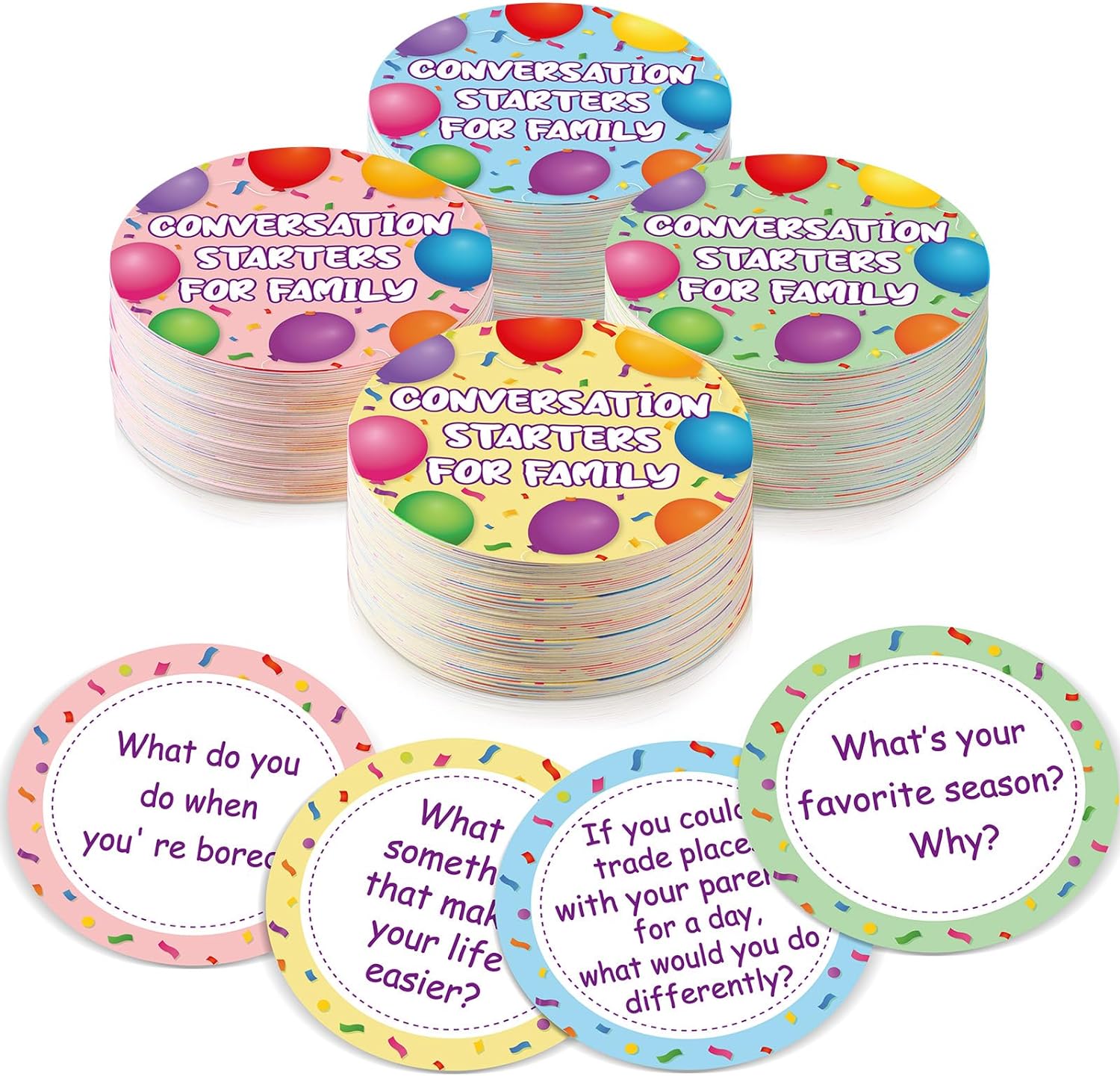
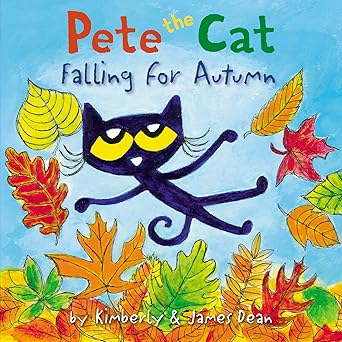
Helpful Books & Tools

Want the printable “Gratitude Circle” guide? It’s included with today’s subscriber email. Subscribe free here. Prefer to own a copy without subscribing? Purchase the Article + Guide on Gumroad. Premium Members already have instant access to everything: Join Premium.


Related Post: Gratitude Grows, Teaching Thankfulness in Early Childhood


Subscribe Free · Shop the Gumroad Store · Premium Membership

✨ You’re Doing Amazing — Let’s Make Learning Simple ✨

Subscribe to my blog for instant access to today’s Featured Freebie — plus weekly printables, early learning tips, and new resource alerts.

✉️ Subscribe for Instant Access


Want unlimited access to every premium resource and future freebie — forever?

⭐ Become a Premium Member

(One-time purchase. Lifetime access.)

🛍️ Shop All Resources

Already a member? Request your freebie here

No spam — just real tools that make early learning simple, joyful, and evidence-based.

About Early Learning Made Easy:
Created by Ms. Vanessa, CDA-certified Early Childhood Educator. This blog provides simple, joyful, evidence-informed learning activities for families and caregivers.

Affiliate & Research Disclosure:
This site may include Amazon affiliate links. As an Amazon Associate, I earn from qualifying purchases at no additional cost to you. Content is independently created and informed by evidence-based research.

© Early Learning Made Easy — All Rights Reserved.

Saturday, November 15, 2025

Fall Sensory Play Ideas for Toddlers and Preschoolers


Affiliate Disclosure: This article contains Amazon affiliate links. As an Amazon Associate, I earn from qualifying purchases—at no extra cost to you. I only recommend items that align with early childhood best practices.

Free today for subscribers: Get the printable “Fall Sensory Exploration Guide” with this article delivered to your inbox. Not subscribed yet? Click here to subscribe for free (today only for this resource).

Why Sensory Experiences Matter

Before children can understand why we’re thankful, they first learn through what they can touch, smell, taste, see, and hear. Sensory play gives toddlers and preschoolers a way to explore the world using their whole body — and fall is the perfect time to engage all five senses.

From crunchy leaves to the sweet smell of pumpkin pie, each sensory experience helps children connect to the season in a joyful, hands-on way.

What the Research Shows

Multi-sensory learning supports brain development and strengthens the connections between neurons. Pediatric guidance encourages sensory-rich play for developing fine motor coordination and early literacy skills. Positive education models also emphasize active exploration as the foundation of curiosity and attention.

Explore the Five Senses of Fall

1) Touch: Crunchy, Soft, Smooth

Fill a sensory bin with acorns, pinecones, fabric leaves, or corn kernels. Encourage descriptive language: rough, bumpy, silky, smooth.

2) Smell: Scents of the Season

Introduce fall aromas like cinnamon sticks, cloves, apples, and pumpkin spice. Invite your child to compare favorites.

3) Sight: Warm Fall Colors

Go on a color walk! Collect items in shades of red, yellow, orange, and brown. Compare leaf colors and notice seasonal changes.

4) Sound: Nature’s Music

Listen for rustling leaves, birds, and crunching footsteps. Make a simple “autumn orchestra” with dried beans or rice in small shakers.

5) Taste: Thanksgiving Flavors

Prepare a small snack together — apples with cinnamon, roasted pumpkin seeds, or mashed sweet potatoes — and describe each flavor.

Why Sensory Play Supports Gratitude

When we slow down to notice the world with all five senses, we practice mindfulness — and mindfulness nurtures gratitude. Ask, “What’s your favorite fall smell?” or “Which leaf felt the most interesting?” Reflection turns sensory play into an early lesson in thankfulness.

Helpful Books & Tools


Want the printable Fall Sensory Exploration Guide? It’s included with today’s subscriber email. Subscribe free here. Prefer to own a copy without subscribing? Purchase the Article + Guide on Gumroad. Premium Members already have instant access to everything: Join Premium.


Related Article: Joy Builds the Brain, How Positive Emotion Fuels Early Learning

✨ You’re Doing Amazing — Let’s Make Learning Simple ✨

Subscribe to my blog for instant access to today’s Featured Freebie — plus weekly printables, early learning tips, and new resource alerts.

✉️ Subscribe for Instant Access


Want unlimited access to every premium resource and future freebie — forever?

⭐ Become a Premium Member

(One-time purchase. Lifetime access.)

🛍️ Shop All Resources

Already a member? Request your freebie here

No spam — just real tools that make early learning simple, joyful, and evidence-based.

About Early Learning Made Easy:
Created by Ms. Vanessa, CDA-certified Early Childhood Educator. This blog provides simple, joyful, evidence-informed learning activities for families and caregivers.

Affiliate & Research Disclosure:
This site may include Amazon affiliate links. As an Amazon Associate, I earn from qualifying purchases at no additional cost to you. Content is independently created and informed by evidence-based research.

© Early Learning Made Easy — All Rights Reserved.

Tuesday, November 11, 2025

15 Acts of Kindness for Toddlers and Preschoolers

Early Learning Made Easy · Making Early Learning Simple, Joyful, and Evidence-Based

Harvesting Kindness: Acts of Kindness Kids Can Do

By Ms. Vanessa · Early Learning Made Easy

Affiliate Disclosure: This article contains Amazon affiliate links. As an Amazon Associate, I earn from qualifying purchases—at no extra cost to you. I only recommend items that align with early childhood best practices.

Free today for subscribers: Get the printable “Kindness Bingo” with this article delivered to your inbox. Not subscribed yet? Click here to subscribe for free (today only for this resource).

Subscribe Free · Get Today’s Freebie Buy Article + Kindness Bingo Premium Member Access

Premium Members enjoy instant, unlimited access to all ELME articles & resources free in the Gumroad library.

Why Teaching Kindness Matters

Kindness isn’t just a nice idea — it’s a skill that grows stronger with practice. When young children are encouraged to help, share, and notice others’ feelings, they begin building the foundation for empathy and compassion. Even toddlers can show kindness through small gestures, and preschoolers are ready to take kindness to a new level through simple acts of service and giving.

What the Research Shows

Early social-emotional learning is linked to lifelong well-being. Pediatric guidance emphasizes that kindness and empathy are learned through repeated experiences and adult modeling. Research in positive psychology also finds that helping others boosts a child’s sense of purpose, belonging, and happiness.

15 Acts of Kindness for Toddlers & Preschoolers

  • Draw a happy picture for a friend or family member.
  • Help feed a pet or water a plant.
  • Wave hello to a neighbor.
  • Hold the door for someone.
  • Share a favorite toy or book.
  • Say “thank you” to helpers (teachers, delivery drivers, etc.).
  • Collect leaves or flowers to give as a gift.
  • Donate gently used clothes or toys with a caregiver’s help.
  • Help set the table for family meals.
  • Bake or prepare a simple snack to share.
  • Tell someone, “I like your smile.”
  • Pick up litter with an adult during a walk.
  • Make a card for a grandparent or caregiver.
  • Give a hug, high-five, or fist bump to a friend.
  • Say something kind about yourself in the mirror.

Make It Fun: Kindness Bingo

Turn kindness into a game! Our Kindness Bingo invites kids to complete simple acts of kindness at home, school, or in the community. When they complete five in a row (or the whole board), celebrate with praise, stickers, or a cozy “kindness snack.”

Helpful Books & Tools


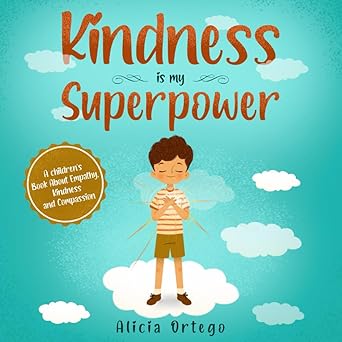
A heartwarming, award-winning story that teaches children the joy of kindness and inclusion—complete with activity cards for real-world practice. Kindness Is My Superpower helps kids see that caring, apologizing, and helping others make them true everyday heroes. Perfect for bedtime or classroom read-alouds to show little ones how small acts of care can make a big difference in the world around them.


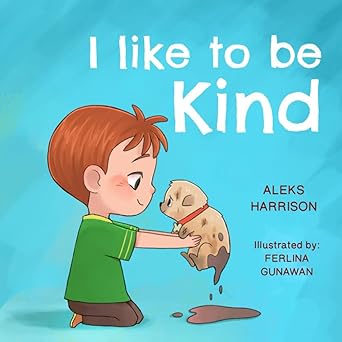
I Like to Be Kind follows Max, a curious boy who discovers how good it feels to help others—from rescuing lost puppies to lending a hand at home. Guided by his father’s example, Max learns that kindness doesn’t just make others smile—it fills your own heart with happiness. With cheerful rhymes, colorful illustrations, and relatable everyday moments, this story makes kindness easy for little ones to understand and practice. A perfect read-aloud for ages 3–8 to build empathy and social awareness.


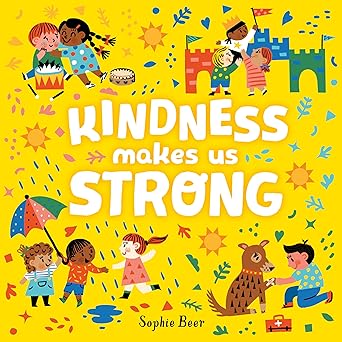
Kindness Is What Makes Us Strong celebrates the many ways children can show care and connection—through a cheerful hello, a helping hand, or a friendly cheer. This joyful story follows little ones as they practice kindness in everyday places like the playground, lunchroom, and neighborhood. A gentle reminder that kindness builds friendship, confidence, and community. Designed as a sturdy board book, it’s perfectly sized and safe for even the youngest learners to explore and enjoy.


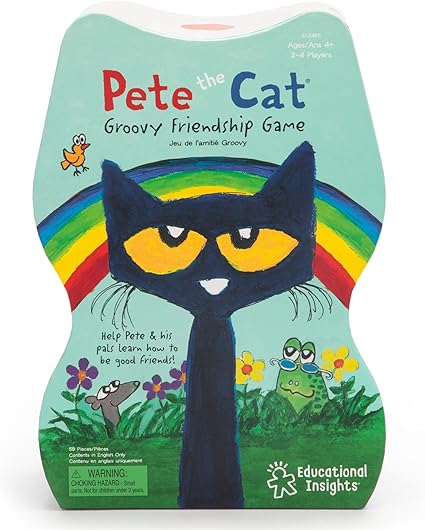
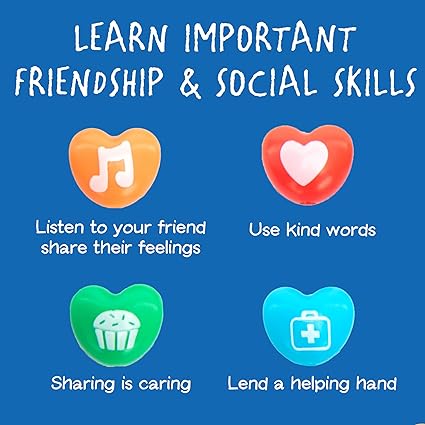
🎲 Pete the Cat Friendship Game helps kids practice social and emotional skills like sharing, kindness, and teamwork through fun, real-life scenarios. Players spin, draw cards, and use “Friendship Toolbox” tokens to solve problems and learn what it means to be a good friend. Designed for ages 4 and up, this engaging game builds empathy, turn-taking, and cooperation—perfect for family game night or classroom play. A fun, educational gift that makes learning friendship skills hands-on and joyful!


This colorful sticker reward chart can be used to reward any positive behavior in any setting, I recommend using it specifically as an "Acts of Kindness Tracker", giving children a star sticker to add to the chart any time you "catch them being kind". Stopping to point out to children that you noticed something kind they did for another person is a wonderful way of teaching social and emotional awareness. 

Want the printable Kindness Bingo? It’s included with today’s subscriber email. Subscribe free here. Prefer to own a copy without subscribing? Purchase the Article + Bingo on Gumroad. Premium Members already have instant access to everything: Join Premium.

Independently created by Early Learning Made Easy and informed by evidence-based research.Not affiliated with or endorsed by any external institution or author.

Early Learning Made Easy — Making Early Learning Simple, Joyful, and Evidence-Based.

Subscribe Free · Shop the Gumroad Store · Premium Membership

✨ You’re Doing Amazing — Let’s Make Learning Simple ✨

Subscribe to my blog for instant access to today’s Featured Freebie — plus weekly printables, early learning tips, and new resource alerts.

✉️ Subscribe for Instant Access


Want unlimited access to every premium resource and future freebie — forever?

⭐ Become a Premium Member

(One-time purchase. Lifetime access.)

🛍️ Shop All Resources

Already a member? Request your freebie here

No spam — just real tools that make early learning simple, joyful, and evidence-based.

About Early Learning Made Easy:
Created by Ms. Vanessa, CDA-certified Early Childhood Educator. This blog provides simple, joyful, evidence-informed learning activities for families and caregivers.

Affiliate & Research Disclosure:
This site may include Amazon affiliate links. As an Amazon Associate, I earn from qualifying purchases at no additional cost to you. Content is independently created and informed by evidence-based research.

© Early Learning Made Easy — All Rights Reserved.
Tuesday, November 4, 2025

Gratitude Grows: Teaching Thankfulness in Early Childhood

🌻 Gratitude Grows: Teaching Thankfulness in Early Childhood

Making Early Learning Simple, Joyful, and Evidence-Based — by Ms. Vanessa

Affiliate Disclosure: This post may contain affiliate links. I may earn a small commission at no cost to you.

Gratitude isn’t just about saying “thank you.” It’s a way of seeing the world.

🌼 Gratitude Begins with Modeling

Children learn gratitude not by being told what to say, but by seeing it lived in front of them.

💛 The Science of Thankfulness

Gratitude supports emotional regulation, empathy, and resilience — key parts of early social emotional development.

🌿 Modeling Gratitude in Everyday Routines

Morning Moments

“I’m so thankful you’re here.”

Mealtime Conversations

Go around the table and share one thing everyone enjoyed today.

Bedtime Reflections

“Who did something kind for you today?”

Why it matters: Small rituals build emotional habits.

🖐️ Simple Gratitude Activities

Infants

Narrate gratitude aloud: “I love spending time with you.”

Toddlers

Make a “Thankful Hearts” collage with photos of loved ones.

Preschoolers

Create a Gratitude Jar—draw or write something they’re thankful for each day.

Free Printable: Try the Gratitude Jar Activity tonight.

Join Premium Membership Shop Resources

🛒 Helpful Tools for Gratitude Practice

Content is independently created and informed by evidence-based research.

© Ms. Vanessa — All Rights Reserved.

✨ You’re Doing Amazing — Let’s Make Learning Simple ✨

Subscribe to my blog for instant access to today’s Featured Freebie — plus weekly printables, early learning tips, and new resource alerts.

✉️ Subscribe for Instant Access


Want unlimited access to every premium resource and future freebie — forever?

⭐ Become a Premium Member

(One-time purchase. Lifetime access.)

🛍️ Shop All Resources

Already a member? Request your freebie here

No spam — just real tools that make early learning simple, joyful, and evidence-based.

About Early Learning Made Easy:
Created by Ms. Vanessa, CDA-certified Early Childhood Educator. This blog provides simple, joyful, evidence-informed learning activities for families and caregivers.

Affiliate & Research Disclosure:
This site may include Amazon affiliate links. As an Amazon Associate, I earn from qualifying purchases at no additional cost to you. Content is independently created and informed by evidence-based research.

© Early Learning Made Easy — All Rights Reserved.
New to ELME? Start Here...

Early Childhood Education Standards Explained: What Parents Need to Know

Early learning standards are best met through play, relationships, and everyday moments. E A R L Y ...