Search This Blog

Early Learning Made Easy

Showing posts with label Early Childhood. Show all posts

Sunday, March 15, 2026

How Gardening Helps Young Children Learn Science

How Gardening Helps Young Children Learn Science

Gardening is one of the easiest and most meaningful ways to help young children learn science. It gives them a chance to watch living things change over time, ask questions, make predictions, and care for something real. Instead of science feeling abstract, gardening turns it into something children can touch, observe, and talk about every day.

For toddlers and preschoolers, science learning does not need to look like formal experiments or complicated explanations. It begins with noticing. Why is one leaf bigger than another? What happens when soil is dry? Why did one seed sprout first? Gardening creates endless opportunities for this kind of real-world inquiry, which is exactly why it fits so naturally into early childhood learning.

Preschool teacher and children planting seeds in a classroom garden box to learn science

Image by Vanessa Murray, created with Canva. Planting, watering, and observing changes over time help children experience science in a hands-on way.

Quick Answer: Gardening helps young children learn science by giving them hands-on experiences with plants, soil, water, insects, weather, and change over time. It supports observation, prediction, comparison, questioning, and early problem-solving in a way that feels playful and meaningful.

Why gardening is such a strong science activity

Science in early childhood is about more than facts. It is about learning how to notice patterns, ask questions, test ideas, and observe change. Gardening supports all of those habits naturally. Children can see cause and effect in real time: seeds need water, sunlight matters, plants grow differently, and living things respond to their environment.

That makes gardening especially valuable because it is not a one-time activity. It is an ongoing process. Children revisit the same space, notice differences, and begin forming ideas about why those differences are happening. This repeated observation is one of the most important parts of scientific thinking.

Gardening teaches children to observe closely

Observation is one of the first science skills young children develop. Gardening slows children down and gives them something real to watch. They can notice which seeds sprout first, whether the soil feels wet or dry, which leaves look healthy, and what insects appear in different parts of the garden.

These observations may seem simple, but they are foundational. Children are learning to compare, describe, and track change over time. In strong outdoor learning environments, these kinds of hands-on observations are one reason children can still support important school-readiness skills while spending more time outside. Research from your uploaded files shows that children in nature-based classrooms spent more time outdoors while still demonstrating similar growth in early literacy, working memory, and inhibitory control as children in non-nature settings. :contentReference[oaicite:2]{index=2}

Children begin asking science questions naturally

Gardening tends to spark questions without adults needing to manufacture them. Children often want to know:

  • Why is this plant taller?
  • What happens if we forget to water it?
  • Why are there worms in the soil?
  • How do flowers turn into vegetables?
  • Why do some leaves have holes?

These are science questions. They grow out of direct experience and genuine curiosity. That matters because children learn more deeply when their questions come from something they are actually doing and noticing.

Family tip: You do not need to know all the answers. Try responding with, “That’s a good question. What do you notice?” or “What do you think is happening?” That keeps the child in the role of investigator.

Gardening makes cause and effect easy to see

Young children learn science best when they can see the relationship between action and outcome. Gardening offers clear examples of cause and effect:

  • plants wilt when they need water
  • seeds sprout after the right combination of time, moisture, and warmth
  • too much or too little sun changes how plants grow
  • bugs and pollinators affect what happens in the garden

These experiences help children build early reasoning skills. They begin to understand that events in the natural world are connected. That is a major scientific idea, even if the child is still expressing it in simple language.

Gardening supports early life science learning

Gardening is one of the best early pathways into life science. Children learn that plants are living things with needs. They begin to understand roots, stems, leaves, flowers, seeds, insects, pollination, and seasonal change in practical ways.

Instead of seeing pictures of plant parts on a worksheet, they can look closely at a stem, gently touch roots, count petals, or compare leaves. This kind of direct experience is far more meaningful in the early years because it connects science vocabulary to real objects and real care routines.

That connection is part of why outdoor learning research continues to matter. The review from your uploaded files described benefits across hands-on learning, holistic development, and children’s engagement with nature. Gardening is a perfect example of all three happening together. :contentReference[oaicite:3]{index=3}

Math and science often overlap in the garden

Gardening is science-rich, but it also supports early math. Children count seeds, compare sizes, notice patterns, measure growth, sort leaves, and track time. This overlap is helpful because young children do not separate subjects the way adults often do. They experience learning as one connected process.

A simple gardening routine might include:

  • counting how many seeds go into each hole
  • comparing which plant is tallest
  • estimating how much water is needed
  • sorting harvested items by color or size
  • tracking how many days it takes a seed to sprout

All of these activities strengthen thinking skills that support both science and math.

Gardening also supports responsibility and patience

Science learning in the garden is not only about content. It is also about habits. Children learn that living things need care. They learn that change takes time. They learn to return, check, wait, and notice.

This can be especially valuable in a world where children are often surrounded by fast-moving media and immediate results. Gardening teaches that some of the most meaningful changes are gradual. That lesson supports attention, persistence, and responsibility along with scientific understanding.

You do not need a big garden to do this

Families sometimes assume gardening science requires a large yard or raised beds, but that is not true. A few containers on a porch, a window box, a sensory garden bin, or even a cup with sprouting seeds can still create meaningful science experiences.

What matters most is not the size of the garden. It is the chance for children to observe, ask questions, and revisit the process over time.

Easy starting points include:

  • beans in clear cups
  • herbs in small pots
  • fast-growing greens
  • watering and observing an existing plant
  • comparing plants in sun and shade

How teachers and families can extend the learning

Adults can keep gardening playful and science-rich by narrating observations and asking simple open-ended questions. Instead of turning it into a formal lesson, try inviting children to think:

  • What do you notice today?
  • What changed since last time?
  • What do you think this plant needs?
  • Why do you think that happened?
  • How could we test that idea?

These questions lightly support the same kinds of inquiry skills teachers often connect with early science standards, while still keeping the experience family friendly and child-centered.

Educators who want more fully developed nature-based STEM ideas can also explore the Junior Naturalist page at Resilient Roots, where families and teachers can sign up for STEM lesson plans and activity ideas.

Related guides and learning hubs

10 Nature Activities That Build Early STEM Skills

Explore more screen-free ways to support science, math, and problem-solving outdoors.

Why Outdoor Play Is Essential for Early Childhood Development

See how outdoor exploration supports whole-child growth, not just physical activity.

How Gardening Teaches STEM Skills to Young Children

A Resilient Roots companion article exploring gardening as a nature-based STEM pathway.

Junior Naturalist at Resilient Roots

Families and educators can explore more garden and nature-based STEM activities there.

Frequently asked questions

How does gardening help young children learn science?

Gardening helps children learn science through hands-on observation, questioning, prediction, comparison, and direct experience with living things and environmental change.

What science concepts can children learn from gardening?

Children can learn about plant life cycles, weather, soil, insects, pollination, cause and effect, and the needs of living things.

Do you need a big garden for children to learn science this way?

No. Container gardens, window boxes, sensory bins, and simple seed-growing projects can all support meaningful science learning.

What are easy gardening science activities for preschoolers?

Planting seeds, watering plants, comparing growth, watching worms or pollinators, sorting leaves, and observing changes over time are all great options.

This article is independently created and informed by evidence-based research. It is not affiliated with or endorsed by any outside institution or author.

✨ You’re Doing Amazing — Let’s Make Learning Simple ✨

Subscribe to my blog for instant access to today’s Featured Freebie — plus weekly printables, early learning tips, and new resource alerts.

✉️ Subscribe for Instant Access


Want unlimited access to every premium resource and future freebie — forever?

⭐ Become a Premium Member

(One-time purchase. Lifetime access.)

🛍️ Shop All Resources

Already a member? Request your freebie here

No spam — just real tools that make early learning simple, joyful, and evidence-based.

About Early Learning Made Easy:
Created by Ms. Vanessa, CDA-certified Early Childhood Educator. This blog provides simple, joyful, evidence-informed learning activities for families and caregivers.

Affiliate & Research Disclosure:
This site may include Amazon affiliate links. As an Amazon Associate, I earn from qualifying purchases at no additional cost to you. Content is independently created and informed by evidence-based research.

© Early Learning Made Easy — All Rights Reserved.

Monday, November 17, 2025

Let Them Make a Mess — The Surprising Benefits of Self-Feeding

Let Them Make a Mess: The Surprising Benefits of Self-Feeding

Early Learning Made Easy Feeding & Nutrition

Affiliate Disclosure: This post contains Amazon affiliate links. If you purchase through these links, I may earn a small commission at no extra cost to you.

Why Messy Mealtimes Matter

Picture this: your baby in their highchair, hands full of mashed sweet potato, yogurt streaked across their face, and a proud grin as they explore every bite. For many caregivers, this scene sparks an instinctive desire to reach for a wipe. But before you do—pause. That messy moment is actually a powerful part of your baby’s development.

Self-feeding isn’t just about getting calories in. It’s a full-body sensory experience that helps babies learn about the world, build coordination, and develop a healthy relationship with food. When we rush to tidy or do all the feeding for them, we may accidentally limit their chances to practice important skills.


The Sensory Magic of Messy Eating

Babies learn best through their senses. Each squish, smear, and squeeze gives their brain new information about texture, temperature, color, and consistency. Feeling mashed banana versus soft avocado or crunchy puffs teaches them to notice differences—an essential foundation for sensory processing skills.

Sensory processing refers to the brain’s ability to receive, organize, and respond to information from the senses. When babies have regular chances to explore different food textures with their hands and mouths, they often become more comfortable with new experiences—both at mealtime and in everyday life.

On the other hand, if food play is always shut down quickly (“That’s too messy!” “Yuck, don’t touch that!”), some children may become more cautious or sensitive. Over time, that can show up as refusing certain textures, avoiding “messy” activities like finger paint, or feeling overwhelmed by new foods on their plate.

Building Fine Motor Skills, One Pea at a Time

Picking up a single pea might seem like a tiny victory—but for a baby, it’s a big deal. Self-feeding is a workout for the small muscles in the hands, fingers, and wrists. These are the same muscles children will later use for scribbling, turning pages, zipping coats, and writing their names.

When babies grasp finger foods or guide a spoon toward their mouth (even when it misses!), they’re practicing:

  • Hand-eye coordination – matching what they see with how their hands move.
  • Pincer grasp – using the thumb and index finger to pick up small pieces.
  • Bilateral coordination – using both hands together, like holding a bowl with one hand and scooping with the other.

All of this practice builds strength, confidence, and body awareness. Messy mealtimes are really early fine motor workouts in disguise.

The Long-Term Nutrition Benefits

Allowing babies to self-feed does more than boost motor and sensory skills—it helps shape lifelong eating habits. When children are given reasonable choices and trusted to decide how much to eat from what is offered, they build a stronger internal sense of hunger and fullness. This is sometimes called intuitive eating.

This freedom supports:

  • Positive mealtime relationships – food becomes something to enjoy and explore, not a battle.
  • Healthy weight regulation – children learn to stop eating when they feel full instead of when the plate is empty.
  • Reduced picky eating – kids who are allowed to interact with new foods at their own pace are more likely to eventually taste and accept them.

Research in child development and nutrition suggests that pressuring children to “clean their plate,” bribing them with dessert, or constantly wiping and correcting can increase mealtime stress. Over time, this stress can make children more selective and less willing to try new foods. Gentle, responsive self-feeding sends the opposite message: “I trust you. Your body knows what it needs.”

Overcoming the Fear of the Mess

It’s completely understandable—nobody loves scrubbing oatmeal off the floor. The goal is not a picture-perfect kitchen; the goal is progress. A few simple strategies can make self-feeding feel manageable:

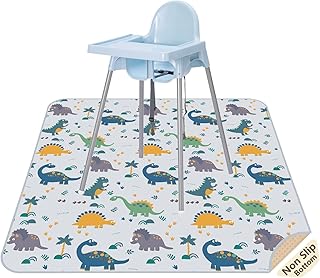
  • Place a washable mat or towel under the high chair for easy cleanup.
  • Use a long-sleeve bib or smock to protect clothing.
  • Offer small portions and refill as needed instead of serving a huge plate.
  • Keep wipes or a damp cloth nearby, but save most of the cleanup for the end.
  • Schedule messy meals when you’re not rushing out the door.
  • Remember that this stage is temporary—each messy meal is building skills your child will use for years.

You don’t have to allow a food explosion at every single meal. Even choosing one or two “practice meals” each day where your baby can explore more freely is a wonderful start.

Gentle Guidance: What Parents Can Do Instead

Rather than focusing on neatness, focus on connection and curiosity. You are your child’s best model and guide. Here are some simple ways to support self-feeding:

  1. Offer safe, soft finger foods.
    Think avocado slices, steamed carrots, banana chunks, cooked peas, or soft scrambled eggs. Make sure foods are cut in shapes that reduce choking risk and are appropriate for your child’s developmental stage.
  2. Sit and eat together when you can.
    Babies learn by watching you. When you sit nearby and enjoy your own meal, you’re teaching them that food is safe, enjoyable, and worth trying.
  3. Provide utensils early.
    You can offer a baby spoon or fork even before your child can fully use it. Let them dip, scoop, and practice while you also offer bites if needed. Over time, they’ll do more and more on their own.
  4. Follow your baby’s cues.
    Watch for signs that they’re full or done—turning away, pushing food away, clamping their mouth shut, or becoming very distracted. Try not to coax “just one more bite” if their body is telling you they’re finished.
  5. Keep the tone positive.
    Comment on what they’re doing: “You’re squishing the banana,” “You picked up that pea all by yourself!” This kind of language supports learning and confidence without focusing on the mess.

The Joy of Discovery

When you let babies feed themselves, you’re giving them more than food—you’re giving them freedom. They get the chance to explore, make decisions, and delight in the simple joy of discovery. Each squishy handful is a lesson in texture, coordination, and confidence.

So the next time you find yourself wiping mashed peas off the wall, take a deep breath and smile. You’re not just cleaning up a mess—you’re witnessing growth in action.

Created by Ms. Vanessa — Early Learning Made Easy

Join Early Learning Made Easy for access to printable training tools, caregiver resources, and member-only learning materials designed to make early childhood development simple and meaningful.

Research & Attribution Note: Early Learning Made Easy resources are created independently by Ms. Vanessa and are informed by evidence-based early childhood and nutrition research (for example, recommendations from pediatric, developmental, and public health organizations). These materials are not formally affiliated with or endorsed by any outside institution.

Recommended Books & Tools 

Reading Picks

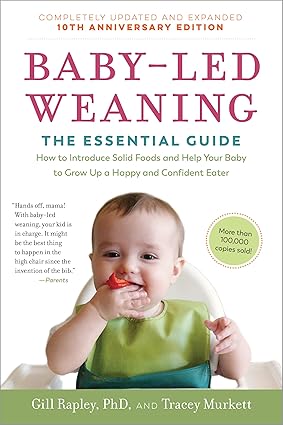
Baby-Led Weaning book by Gill Rapley and Tracey Murkett cover

Baby-Led Weaning (Rapley)

Practical guidance on safely supporting self-feeding from the start.

View on Amazon
Child of Mine by Ellyn Satter book cover

Child of Mine (Ellyn Satter)

Feeding with love and good sense—trusting hunger and fullness cues.

View on Amazon
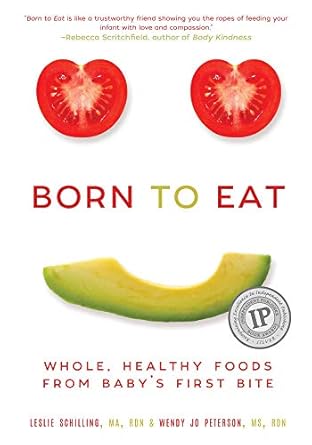
Born to Eat book cover

Born to Eat

Healthy, responsive feeding practices for families.

View on Amazon


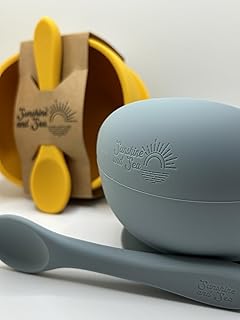
Caregiver Tools

As an Amazon Associate I earn from qualifying purchases.


Related Post: Family Traditions That Build Connection 

Related PostLearn how small, predictable family rituals help children feel safe, connected, and loved. Discover how to create lasting traditions. 


Related Post: Little Helpers at the Table, Encouraging Independence in Toddlers and Preschoolers


Find More Information on Developmental Milestones HERE

Note: Content is independently created and informed by evidence-based research (e.g., AAP, USDA, Seligman) but not affiliated with or endorsed by any external institution or author.

Created by Ms. Vanessa — Early Learning Made Easy.

✨ You’re Doing Amazing — Let’s Make Learning Simple ✨

Subscribe to my blog for instant access to today’s Featured Freebie — plus weekly printables, early learning tips, and new resource alerts.

✉️ Subscribe for Instant Access


Want unlimited access to every premium resource and future freebie — forever?

⭐ Become a Premium Member

(One-time purchase. Lifetime access.)

🛍️ Shop All Resources

Already a member? Request your freebie here

No spam — just real tools that make early learning simple, joyful, and evidence-based.

About Early Learning Made Easy:
Created by Ms. Vanessa, CDA-certified Early Childhood Educator. This blog provides simple, joyful, evidence-informed learning activities for families and caregivers.

Affiliate & Research Disclosure:
This site may include Amazon affiliate links. As an Amazon Associate, I earn from qualifying purchases at no additional cost to you. Content is independently created and informed by evidence-based research.

© Early Learning Made Easy — All Rights Reserved.

New to ELME? Start Here...

Early Childhood Education Standards Explained: What Parents Need to Know

Early learning standards are best met through play, relationships, and everyday moments. E A R L Y ...