Search This Blog

Early Learning Made Easy

Monday, November 17, 2025

Exploring the Seasons: Fall Science Play for Young Children

Early Learning Made Easy

Exploring Changing Seasons Through Play

Making Early Learning Simple, Joyful, and Evidence-Based — by Ms. Vanessa | Early Learning Made Easy

🍁 Noticing the World Around Us

As the world outside changes color, temperature, and texture, children notice every detail. Fall is the perfect time to slow down and explore nature with all five senses. Early observation builds science curiosity and strengthens language, attention, and focus.

🧠 Science for Little Learners

When preschoolers watch a leaf fall, notice frost on the grass, or see clouds move across the sky, they’re exploring cause and effect. This is the foundation of scientific thinking—noticing patterns, asking questions, and forming ideas about how the world works.

🌳 Playful Observation Activities

Encourage your child to explore through play: collect leaves, jump in puddles, measure shadows, or make weather drawings. Observation journals, sensory bins, and nature walks all strengthen early science learning and curiosity.

❤️ Why It Matters

Children learn best through experience. Outdoor play that includes nature observation helps develop focus, creativity, and appreciation for the environment—while also supporting brain growth through rich sensory input and emotional connection.

📋 Free Printable (PDF): Fall Nature Scavenger Hunt

The printable scavenger hunt lives inside the PDF version of this article. Print, take it outdoors, and let little scientists explore!

Download the Article + Scavenger Hunt (PDF)

📚 Helpful Books & Tools


Follow Squirrel on a lively forest adventure filled with bold, colorful illustrations that bring the magic of autumn to life. As Squirrel searches for the mysterious “leaf thief,” young readers discover a gentle story about seasonal changes—and the big feelings that can come with them. Includes bonus pages that explain how and why the seasons shift. A charming read that’s sure to become a fall favorite.


Tag along with three cheerful friends as they set out on a lively leaf-collecting journey inspired by a favorite childhood song. Their hike over hills and through the woods reveals a rainbow of autumn leaves just waiting to be discovered. And when their bags are full? They dive right in for some joyful leaf-pile fun! With catchy rhymes and playful sounds, this energetic fall tale is perfect for reading aloud.


Celebrate the magic of fall with this interactive lift-the-flap board book! Little readers can follow a sweet chipmunk as it scampers through the forest, gathering acorns, walnuts, and buckeyes to get ready for winter. Pumpkins swell on their vines, apple and pear trees are heavy with fruit, and the forest floor is sprinkled with crunchy nuts. With cozy scenes and playful surprises under every flap, this charming story is a perfect way to share the joys of autumn with your toddler.


 Invite your child to explore fall through all five senses! This joyful sensory play guide for toddlers and preschoolers, build curiosity and language 


Affiliate Disclosure: This post contains affiliate links. As an Amazon Associate, Early Learning Made Easy earns from qualifying purchases.

✨ You’re Doing Amazing — Let’s Make Learning Simple ✨

Subscribe to my blog for instant access to today’s Featured Freebie — plus weekly printables, early learning tips, and new resource alerts.

✉️ Subscribe for Instant Access


Want unlimited access to every premium resource and future freebie — forever?

⭐ Become a Premium Member

(One-time purchase. Lifetime access.)

🛍️ Shop All Resources

Already a member? Request your freebie here

No spam — just real tools that make early learning simple, joyful, and evidence-based.

About Early Learning Made Easy:
Created by Ms. Vanessa, CDA-certified Early Childhood Educator. This blog provides simple, joyful, evidence-informed learning activities for families and caregivers.

Affiliate & Research Disclosure:
This site may include Amazon affiliate links. As an Amazon Associate, I earn from qualifying purchases at no additional cost to you. Content is independently created and informed by evidence-based research.

© Early Learning Made Easy — All Rights Reserved.

Saturday, November 15, 2025

Fall Sensory Play Ideas for Toddlers and Preschoolers


Affiliate Disclosure: This article contains Amazon affiliate links. As an Amazon Associate, I earn from qualifying purchases—at no extra cost to you. I only recommend items that align with early childhood best practices.

Free today for subscribers: Get the printable “Fall Sensory Exploration Guide” with this article delivered to your inbox. Not subscribed yet? Click here to subscribe for free (today only for this resource).

Why Sensory Experiences Matter

Before children can understand why we’re thankful, they first learn through what they can touch, smell, taste, see, and hear. Sensory play gives toddlers and preschoolers a way to explore the world using their whole body — and fall is the perfect time to engage all five senses.

From crunchy leaves to the sweet smell of pumpkin pie, each sensory experience helps children connect to the season in a joyful, hands-on way.

What the Research Shows

Multi-sensory learning supports brain development and strengthens the connections between neurons. Pediatric guidance encourages sensory-rich play for developing fine motor coordination and early literacy skills. Positive education models also emphasize active exploration as the foundation of curiosity and attention.

Explore the Five Senses of Fall

1) Touch: Crunchy, Soft, Smooth

Fill a sensory bin with acorns, pinecones, fabric leaves, or corn kernels. Encourage descriptive language: rough, bumpy, silky, smooth.

2) Smell: Scents of the Season

Introduce fall aromas like cinnamon sticks, cloves, apples, and pumpkin spice. Invite your child to compare favorites.

3) Sight: Warm Fall Colors

Go on a color walk! Collect items in shades of red, yellow, orange, and brown. Compare leaf colors and notice seasonal changes.

4) Sound: Nature’s Music

Listen for rustling leaves, birds, and crunching footsteps. Make a simple “autumn orchestra” with dried beans or rice in small shakers.

5) Taste: Thanksgiving Flavors

Prepare a small snack together — apples with cinnamon, roasted pumpkin seeds, or mashed sweet potatoes — and describe each flavor.

Why Sensory Play Supports Gratitude

When we slow down to notice the world with all five senses, we practice mindfulness — and mindfulness nurtures gratitude. Ask, “What’s your favorite fall smell?” or “Which leaf felt the most interesting?” Reflection turns sensory play into an early lesson in thankfulness.

Helpful Books & Tools


Want the printable Fall Sensory Exploration Guide? It’s included with today’s subscriber email. Subscribe free here. Prefer to own a copy without subscribing? Purchase the Article + Guide on Gumroad. Premium Members already have instant access to everything: Join Premium.


Related Article: Joy Builds the Brain, How Positive Emotion Fuels Early Learning

✨ You’re Doing Amazing — Let’s Make Learning Simple ✨

Subscribe to my blog for instant access to today’s Featured Freebie — plus weekly printables, early learning tips, and new resource alerts.

✉️ Subscribe for Instant Access


Want unlimited access to every premium resource and future freebie — forever?

⭐ Become a Premium Member

(One-time purchase. Lifetime access.)

🛍️ Shop All Resources

Already a member? Request your freebie here

No spam — just real tools that make early learning simple, joyful, and evidence-based.

About Early Learning Made Easy:
Created by Ms. Vanessa, CDA-certified Early Childhood Educator. This blog provides simple, joyful, evidence-informed learning activities for families and caregivers.

Affiliate & Research Disclosure:
This site may include Amazon affiliate links. As an Amazon Associate, I earn from qualifying purchases at no additional cost to you. Content is independently created and informed by evidence-based research.

© Early Learning Made Easy — All Rights Reserved.

Tuesday, November 11, 2025

15 Acts of Kindness for Toddlers and Preschoolers

Early Learning Made Easy · Making Early Learning Simple, Joyful, and Evidence-Based

Harvesting Kindness: Acts of Kindness Kids Can Do

By Ms. Vanessa · Early Learning Made Easy

Affiliate Disclosure: This article contains Amazon affiliate links. As an Amazon Associate, I earn from qualifying purchases—at no extra cost to you. I only recommend items that align with early childhood best practices.

Free today for subscribers: Get the printable “Kindness Bingo” with this article delivered to your inbox. Not subscribed yet? Click here to subscribe for free (today only for this resource).

Subscribe Free · Get Today’s Freebie Buy Article + Kindness Bingo Premium Member Access

Premium Members enjoy instant, unlimited access to all ELME articles & resources free in the Gumroad library.

Why Teaching Kindness Matters

Kindness isn’t just a nice idea — it’s a skill that grows stronger with practice. When young children are encouraged to help, share, and notice others’ feelings, they begin building the foundation for empathy and compassion. Even toddlers can show kindness through small gestures, and preschoolers are ready to take kindness to a new level through simple acts of service and giving.

What the Research Shows

Early social-emotional learning is linked to lifelong well-being. Pediatric guidance emphasizes that kindness and empathy are learned through repeated experiences and adult modeling. Research in positive psychology also finds that helping others boosts a child’s sense of purpose, belonging, and happiness.

15 Acts of Kindness for Toddlers & Preschoolers

  • Draw a happy picture for a friend or family member.
  • Help feed a pet or water a plant.
  • Wave hello to a neighbor.
  • Hold the door for someone.
  • Share a favorite toy or book.
  • Say “thank you” to helpers (teachers, delivery drivers, etc.).
  • Collect leaves or flowers to give as a gift.
  • Donate gently used clothes or toys with a caregiver’s help.
  • Help set the table for family meals.
  • Bake or prepare a simple snack to share.
  • Tell someone, “I like your smile.”
  • Pick up litter with an adult during a walk.
  • Make a card for a grandparent or caregiver.
  • Give a hug, high-five, or fist bump to a friend.
  • Say something kind about yourself in the mirror.

Make It Fun: Kindness Bingo

Turn kindness into a game! Our Kindness Bingo invites kids to complete simple acts of kindness at home, school, or in the community. When they complete five in a row (or the whole board), celebrate with praise, stickers, or a cozy “kindness snack.”

Helpful Books & Tools


A heartwarming, award-winning story that teaches children the joy of kindness and inclusion—complete with activity cards for real-world practice. Kindness Is My Superpower helps kids see that caring, apologizing, and helping others make them true everyday heroes. Perfect for bedtime or classroom read-alouds to show little ones how small acts of care can make a big difference in the world around them.


I Like to Be Kind follows Max, a curious boy who discovers how good it feels to help others—from rescuing lost puppies to lending a hand at home. Guided by his father’s example, Max learns that kindness doesn’t just make others smile—it fills your own heart with happiness. With cheerful rhymes, colorful illustrations, and relatable everyday moments, this story makes kindness easy for little ones to understand and practice. A perfect read-aloud for ages 3–8 to build empathy and social awareness.


Kindness Is What Makes Us Strong celebrates the many ways children can show care and connection—through a cheerful hello, a helping hand, or a friendly cheer. This joyful story follows little ones as they practice kindness in everyday places like the playground, lunchroom, and neighborhood. A gentle reminder that kindness builds friendship, confidence, and community. Designed as a sturdy board book, it’s perfectly sized and safe for even the youngest learners to explore and enjoy.


🎲 Pete the Cat Friendship Game helps kids practice social and emotional skills like sharing, kindness, and teamwork through fun, real-life scenarios. Players spin, draw cards, and use “Friendship Toolbox” tokens to solve problems and learn what it means to be a good friend. Designed for ages 4 and up, this engaging game builds empathy, turn-taking, and cooperation—perfect for family game night or classroom play. A fun, educational gift that makes learning friendship skills hands-on and joyful!


This colorful sticker reward chart can be used to reward any positive behavior in any setting, I recommend using it specifically as an "Acts of Kindness Tracker", giving children a star sticker to add to the chart any time you "catch them being kind". Stopping to point out to children that you noticed something kind they did for another person is a wonderful way of teaching social and emotional awareness. 

Want the printable Kindness Bingo? It’s included with today’s subscriber email. Subscribe free here. Prefer to own a copy without subscribing? Purchase the Article + Bingo on Gumroad. Premium Members already have instant access to everything: Join Premium.

Independently created by Early Learning Made Easy and informed by evidence-based research.Not affiliated with or endorsed by any external institution or author.

Early Learning Made Easy — Making Early Learning Simple, Joyful, and Evidence-Based.

Subscribe Free · Shop the Gumroad Store · Premium Membership

✨ You’re Doing Amazing — Let’s Make Learning Simple ✨

Subscribe to my blog for instant access to today’s Featured Freebie — plus weekly printables, early learning tips, and new resource alerts.

✉️ Subscribe for Instant Access


Want unlimited access to every premium resource and future freebie — forever?

⭐ Become a Premium Member

(One-time purchase. Lifetime access.)

🛍️ Shop All Resources

Already a member? Request your freebie here

No spam — just real tools that make early learning simple, joyful, and evidence-based.

About Early Learning Made Easy:
Created by Ms. Vanessa, CDA-certified Early Childhood Educator. This blog provides simple, joyful, evidence-informed learning activities for families and caregivers.

Affiliate & Research Disclosure:
This site may include Amazon affiliate links. As an Amazon Associate, I earn from qualifying purchases at no additional cost to you. Content is independently created and informed by evidence-based research.

© Early Learning Made Easy — All Rights Reserved.

Friday, November 7, 2025

Family Traditions That Strengthen Connection and Belonging

Early Learning Made Easy · Making Early Learning Simple, Joyful, and Evidence-Based

Family Traditions That Build Connection

By Ms. Vanessa · Early Learning Made Easy

Affiliate Disclosure: This article contains Amazon affiliate links. As an Amazon Associate, I earn from qualifying purchases—at no extra cost to you. I only recommend items I believe align with child development best practices.

Free today for subscribers: Get the full article plus the printable “Our Family Traditions” worksheet delivered to your inbox. Not subscribed yet? Click here to subscribe for free (today only for this resource).

Premium Members enjoy instant, unlimited access to all ELME articles & resources free in the Gumroad library.

Why Traditions Matter

From bedtime stories to Sunday pancakes, the little moments we repeat become part of a child’s emotional foundation. Predictable family traditions—daily, weekly, or seasonal—send a powerful message: you belong here. Children thrive when life feels consistent. Rituals create rhythm and safety; kids know what to expect and can look forward to it, which eases anxiety and builds resilience.


What the Research Shows

Research in early attachment and family dynamics finds that routines and rituals strengthen bonds and support well-being. Pediatric guidance highlights that shared rituals—like family meals and bedtime routines—are linked with children’s sense of security and happiness. In positive psychology, Dr. Martin Seligman’s PERMA model places Relationships at the core of flourishing; predictable moments cultivate connection, shared meaning, and joy.


Everyday Traditions That Strengthen Connection

  • Morning Connection: A special goodbye phrase or hug before leaving for the day.
  • Family Mealtime: Everyone shares one thing they’re thankful for or proud of.
  • Storytime Ritual: Read the same book each night or rotate who chooses.
  • Seasonal Moments: Bake a favorite treat, make decorations, or take a family nature walk.
  • Celebration Touchstones: Light a candle on birthdays, write gratitude notes in November, plant something new every spring.

Why Predictability Builds Security

Predictable traditions tell children, “Our family shows up for each other.” That steadiness supports emotional regulation, empathy, and trust—skills that help with friendships, school, and life transitions. Even when the world feels unpredictable, rituals anchor children to love and belonging.

Helpful Books & Tools (text-only links)

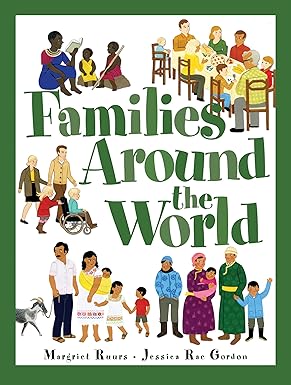
This is a wonderful, uplifting global studies title perfect for exploring cultures and geography. It would also be useful for a social studies unit on families and family relationships. Adding to its value as a teaching tool are suggestions for lesson plans built around the book, as well as a glossary and pronunciation guide for foreign words.


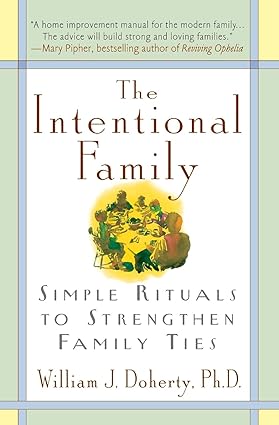
The Intentional Family -- a practical guide to avoiding conflicts and promoting understanding -- offers a myriad of simple yet effective methods for opening regular channels of communication between parents and their children, husbands and wives: from shared family meals and vacations, to regular "storytime," weekly drives, religious services, and monthly "spouse only" romantic dinners. Clearly presented and engagingly written, here are proven and indispensable strategies for reviving a lost sense of family -- useful guidelines that will help us make the most of our most important relationships.


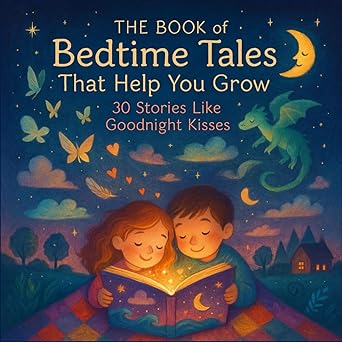
If you’re searching for more than just a bedtime book—
If you want a keepsake, a shared ritual, a quiet hug before sleep...
This is the one.


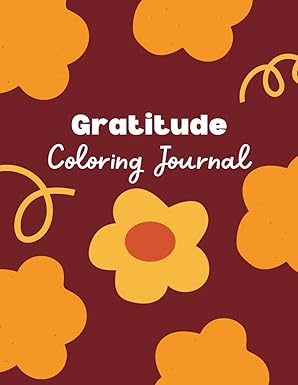
This journal makes practicing gratitude fun, creative, and age-appropriate—while building a daily habit of noticing life’s little joys.

Perfect as:

  • A meaningful gift for toddlers and preschoolers
  • A creative activity for home, classrooms, or therapy
  • A year-round tool to encourage kindness and positivity


Help your child start a lifelong habit of gratitude—one coloring page at a time!


Engage the kids for hours with these great questions for young, curious minds. Although designed for young children, mom and dad will love them too. The travel-sized slipcase makes it easy to toss in the glove box or backpack—use them on the way to soccer practice, when you’re dining out, whenever!


Want the printable “Our Family Traditions” worksheet? It’s included with today’s subscriber email. Subscribe free here. Prefer to own a copy without subscribing? Purchase the Article + Worksheet on Gumroad. Premium Members already have instant access to everything: Join Premium.

✨ You’re Doing Amazing — Let’s Make Learning Simple ✨

Subscribe to my blog for instant access to today’s Featured Freebie — plus weekly printables, early learning tips, and new resource alerts.

✉️ Subscribe for Instant Access


Want unlimited access to every premium resource and future freebie — forever?

⭐ Become a Premium Member

(One-time purchase. Lifetime access.)

🛍️ Shop All Resources

Already a member? Request your freebie here

No spam — just real tools that make early learning simple, joyful, and evidence-based.

About Early Learning Made Easy:
Created by Ms. Vanessa, Early Childhood Educator. This blog provides simple, joyful, evidence-informed learning activities for families and caregivers.

Affiliate & Research Disclosure:
This site may include Amazon affiliate links. As an Amazon Associate, I earn from qualifying purchases at no additional cost to you. Content is independently created and informed by evidence-based research.

  1. © Early Learning Made Easy — All Rights Reserved.

Thursday, November 6, 2025

How to Build Early Reading Skills at Home (Birth to Age 5) | Daily Literacy Habits Checklist

Preventing Reading Problems Starts in the First Five Years

What parents and caregivers can do now to set children up for later reading success

Across the country, schools are working to improve reading instruction. One clear lesson from research: sound-only drills (phonemic awareness without letters) aren’t enough to build readers. Children learn best when sounds, letters, and meaningful print are connected—long before kindergarten.

Good news: you don’t need worksheets or a curriculum to build these skills at home. You need language-rich, print-connected, joyful experiences—from birth to age five.


1) Talk (A Lot) From Day One

  • Narrate daily life: “Now we wash hands—swish, swish!”
  • Use rich vocabulary and respond to babbles; conversations wire the brain for language.
  • Turn-taking with sounds and words teaches kids that communication has power.

2) Read Aloud Every Day—Read With Them

  • Babies: board books to touch and mouth; point and name pictures.
  • Toddlers: ask, “What do you see?”; let them turn pages; build routines.
  • Preschoolers: predict, retell, and finish simple refrains (“…what do you see?”).

It’s the interaction, not finishing the book, that grows readers.

3) Connect Sounds to Letters in Real Life

Make casual, meaningful links: “M says /mmm/—M is for mommy.” Point to letters on signs, cereal boxes, and labels. When they hear a sound, show the matching letter.

4) Build Phonemic Awareness Through Play (No Worksheets Needed)

  • “Find something that starts with /b/.”
  • “Say sun without /s/.” (That’s a silly un!)
  • Clap syllables in family names; play with rhymes at bath time.

5) Let Them See Themselves as Writers

Keep crayons and paper accessible. Celebrate scribbles, letter-like shapes, and invented spelling (“DOG” might be “DG”—that’s great!). Writing strengthens the same pathways they’ll use to read.

6) Don’t Rush “Early Reading”—Build Love, Knowledge, and Comprehension

Focus on vocabulary, background knowledge, and story sense. A child who loves books will read; a child drilled on flashcards may learn to hate it.


A Simple Daily Rhythm

  • Talk during routines (meals, bath, walks)
  • Read 10–20 minutes (anytime works!)
  • Play with sounds (rhyme, first sounds)
  • Spot letters in the world (signs, labels)
  • Write & draw (lists, labels, cards)

Helpful Books & Tools 

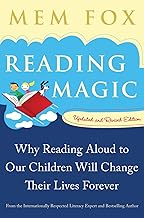
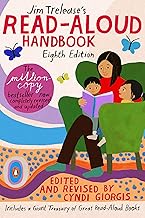
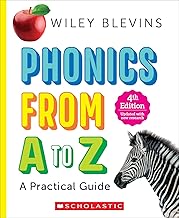
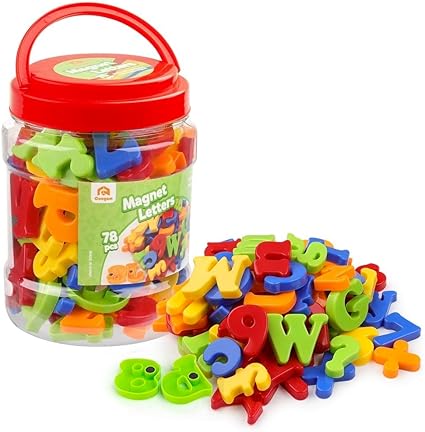
These are parent favorites for joyful, science-aligned early literacy. (Amazon affiliate links.)


Disclosure: As an Amazon Associate I earn from qualifying purchases.

Free Family Resource

Grab my one-page checklist: “Early Reading Starts at Home: Daily Habits.”

Subscribe free to get it by email (plus new early-learning printables each week).


Evidence note: Decades of research support integrating phonemic awareness with letters and print and building rich oral language, background knowledge, and purposeful reading/writing in the early years. This article translates those ideas into simple family routines.

Early Learning Made Easy — Making Early Learning Simple, Joyful, and Evidence-Based.

Disclaimer: Content is independently created and informed by evidence-based research; ELME is not affiliated with or endorsed by any external institution or author. All Rights Reserved.

✨ You’re Doing Amazing — Let’s Make Learning Simple ✨

Subscribe to my blog for instant access to today’s Featured Freebie — plus weekly printables, early learning tips, and new resource alerts.

✉️ Subscribe for Instant Access


Want unlimited access to every premium resource and future freebie — forever?

⭐ Become a Premium Member

(One-time purchase. Lifetime access.)

🛍️ Shop All Resources

Already a member? Request your freebie here

No spam — just real tools that make early learning simple, joyful, and evidence-based.

About Early Learning Made Easy:
Created by Ms. Vanessa, CDA-certified Early Childhood Educator. This blog provides simple, joyful, evidence-informed learning activities for families and caregivers.

Affiliate & Research Disclosure:
This site may include Amazon affiliate links. As an Amazon Associate, I earn from qualifying purchases at no additional cost to you. Content is independently created and informed by evidence-based research.

© Early Learning Made Easy — All Rights Reserved.

Wednesday, November 5, 2025

Helping Children Cope with Seasonal Transitions and Big Feelings

Early Learning Made Easy — Making Early Learning Simple, Joyful, and Evidence-Based
Emotions & Routines

When Big Feelings Meet Big Weather: Helping Kids Handle Transitions

by Ms. Vanessa • Updated November 5, 2025

As the days grow shorter and the air turns colder, families begin adjusting to new rhythms: earlier evenings, thicker coats, and often—bigger emotions. For young children, seasonal changes can shake up the predictable patterns that help them feel safe. This guide blends research-informed strategies with practical tools to help your child navigate darker days, more indoor time, and shifting routines with confidence.

🌦️ Why Seasonal Changes Feel So Big to Little Kids

Under five, children live mostly in the “here and now.” Predictable patterns—outside play before lunch, story before nap—anchor their day. When daylight shrinks and weather limits outdoor time, those anchors move. Common signs include clinginess, more meltdowns, resistance to routines, or sleep/appetite shifts. These aren’t “bad behaviors”—they’re communication: “I’m working hard to adjust.”

💛 Emotional Regulation: What’s Happening in the Brain

The prefrontal cortex (self-control, planning) is still under construction in early childhood, while the limbic system (emotion) is highly active. Big transitions can overwhelm that system. Children rely on co-regulation—a calm, consistent adult presence—to return to balance. When we slow down, name feelings, and model calm, we teach the brain how to do it next time.

🏡 Simple Routines That Build Emotional Safety

  • Visual schedules: Picture cards showing the day’s rhythm help kids anticipate what’s next.
  • Morning signals: Open curtains, a favorite song, or a candle can gently start the day.
  • Indoor movement swaps: Dance parties, yoga cards, or a simple obstacle path replace missed playground time.
  • Cozy calm corner: Soft lighting, a blanket, a stuffed friend, and “Calm-Down Choices” visuals.
  • Steady bedtime: Keep the sequence stable even when daylight shifts.

🌧️ Handling the Hard Moments: Co-Regulation in Action

  1. Name & validate: “You’re really mad that we can’t go to the park today.”
  2. Offer closeness: Sit nearby, breathe slowly; let your calm be contagious.
  3. Provide a choice: “Jump like a frog inside, or help me stir the cookie dough?”

🔆 When You’re Feeling It Too

Shorter days affect grown-ups as well. Brief morning light exposure, micro-breaks, warm drinks after bedtime, and realistic expectations protect your energy—so you can be the steady anchor your child needs.

🎨 Free Resource: “Calm-Down Choices” Visual Cards

Kid-friendly options like: deep breaths, hug a stuffed animal, draw your feelings, listen to music, or ask for a cuddle. Post them in your calm corner and refer to them in the moment.

Get the Calm-Down Choices Cards

Prefer a printable version? Download the PDF article.

📚 Helpful Books & Tools

Affiliate disclosure: As an Amazon Associate, Early Learning Made Easy earns from qualifying purchases—at no extra cost to you.

🌤️ The Takeaway

Seasonal transitions can be challenging—and they’re also powerful practice. With predictable routines, calm co-regulation, and simple visual tools, children learn that change is survivable and they are safe, seen, and supported.

Research & Attribution: Independently created by Early Learning Made Easy and informed by evidence-based research. Not affiliated with or endorsed by any external institution or author.

Educational Disclaimer: The content on Early Learning Made Easy is for informational/educational purposes and does not replace professional advice. Always follow your program policies and your child’s individual needs.

Related Post: Gratitude Grows: Teaching Thankfulness in Early Childhood

✨ You’re Doing Amazing — Let’s Make Learning Simple ✨

Subscribe to my blog for instant access to today’s Featured Freebie — plus weekly printables, early learning tips, and new resource alerts.

✉️ Subscribe for Instant Access


Want unlimited access to every premium resource and future freebie — forever?

⭐ Become a Premium Member

(One-time purchase. Lifetime access.)

🛍️ Shop All Resources

Already a member? Request your freebie here

No spam — just real tools that make early learning simple, joyful, and evidence-based.

About Early Learning Made Easy:
Created by Ms. Vanessa, CDA-certified Early Childhood Educator. This blog provides simple, joyful, evidence-informed learning activities for families and caregivers.

Affiliate & Research Disclosure:
This site may include Amazon affiliate links. As an Amazon Associate, I earn from qualifying purchases at no additional cost to you. Content is independently created and informed by evidence-based research.

© Early Learning Made Easy — All Rights Reserved.


Tuesday, November 4, 2025

Gratitude Grows: Teaching Thankfulness in Early Childhood

🌻 Gratitude Grows: Teaching Thankfulness in Early Childhood

Making Early Learning Simple, Joyful, and Evidence-Based — by Ms. Vanessa

Affiliate Disclosure: This post may contain affiliate links. I may earn a small commission at no cost to you.

Gratitude isn’t just about saying “thank you.” It’s a way of seeing the world.

🌼 Gratitude Begins with Modeling

Children learn gratitude not by being told what to say, but by seeing it lived in front of them.

💛 The Science of Thankfulness

Gratitude supports emotional regulation, empathy, and resilience — key parts of early social emotional development.

🌿 Modeling Gratitude in Everyday Routines

Morning Moments

“I’m so thankful you’re here.”

Mealtime Conversations

Go around the table and share one thing everyone enjoyed today.

Bedtime Reflections

“Who did something kind for you today?”

Why it matters: Small rituals build emotional habits.

🖐️ Simple Gratitude Activities

Infants

Narrate gratitude aloud: “I love spending time with you.”

Toddlers

Make a “Thankful Hearts” collage with photos of loved ones.

Preschoolers

Create a Gratitude Jar—draw or write something they’re thankful for each day.

Free Printable: Try the Gratitude Jar Activity tonight.

Join Premium Membership Shop Resources

🛒 Helpful Tools for Gratitude Practice

Content is independently created and informed by evidence-based research.

© Ms. Vanessa — All Rights Reserved.

✨ You’re Doing Amazing — Let’s Make Learning Simple ✨

Subscribe to my blog for instant access to today’s Featured Freebie — plus weekly printables, early learning tips, and new resource alerts.

✉️ Subscribe for Instant Access


Want unlimited access to every premium resource and future freebie — forever?

⭐ Become a Premium Member

(One-time purchase. Lifetime access.)

🛍️ Shop All Resources

Already a member? Request your freebie here

No spam — just real tools that make early learning simple, joyful, and evidence-based.

About Early Learning Made Easy:
Created by Ms. Vanessa, CDA-certified Early Childhood Educator. This blog provides simple, joyful, evidence-informed learning activities for families and caregivers.

Affiliate & Research Disclosure:
This site may include Amazon affiliate links. As an Amazon Associate, I earn from qualifying purchases at no additional cost to you. Content is independently created and informed by evidence-based research.

© Early Learning Made Easy — All Rights Reserved.

New to ELME? Start Here...

Early Childhood Education Standards Explained: What Parents Need to Know

Early learning standards are best met through play, relationships, and everyday moments. E A R L Y ...